
Pests
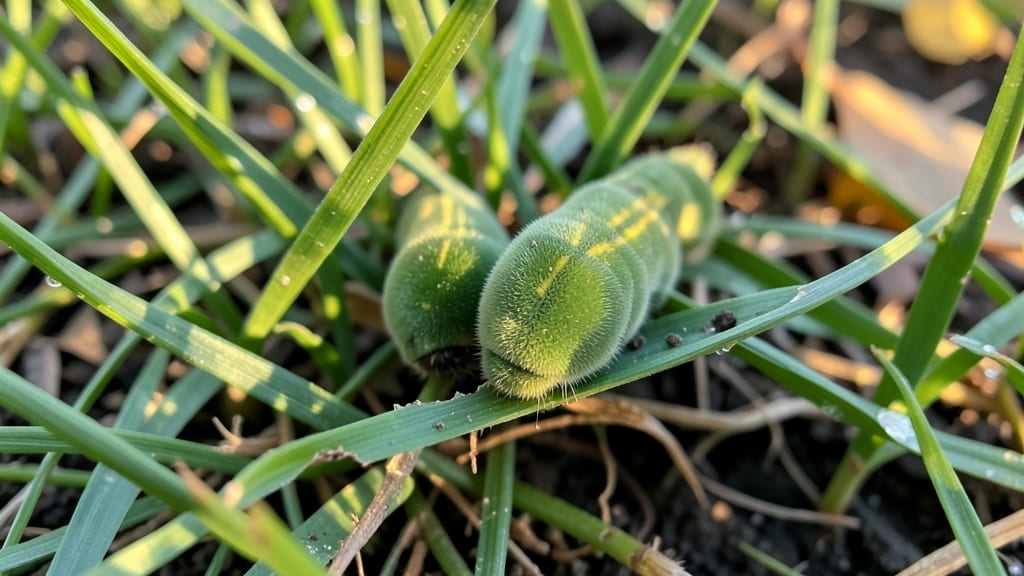
Finding caterpillars in your grass can feel like a nightmare—until you learn the right way to handle them. 🌱 I’ve wrestled with cutworms and armyworms chewing through lawns, and the key is acting fast with natural solutions that don’t sacrifice your yard’s health.
The damage happens overnight: brown patches, skeletonized leaves, and even dead grass if left unchecked. Most caterpillars thrive in thick, damp grass, so the first step is cutting back on evening watering and mowing high to reduce their hiding spots.
Birds and parasitic wasps do most of the heavy lifting, but you can give them a hand with simple organic sprays.
You’ll see results within a week if you act early—fewer caterpillars, greener grass, and no need for harsh chemicals. The secret? A mix of manual removal, beneficial predators, and smart lawn care. Once you’ve tried these methods, you’ll wonder why you ever considered pesticides.
Works for homeowners in any climate, from drought-prone yards to humid regions. Here’s how to keep your grass caterpillar-free without harming the ecosystem—or your wallet.
The Hidden Triggers Behind Grass Munchers
Discovering caterpillars feasting on your lawn or garden isn’t just unsightly—it can quickly turn your green space into a skeleton of chewed blades. But why do these fuzzy invaders suddenly appear? The answer lies in a mix of environmental cues, plant chemistry, and even human activity.
Let’s break down the real reasons these striped munchers show up in your grass, so you can outsmart them naturally.
🌱 Lush, Nutrient-Rich Grass as a Buffet
Caterpillars—especially species like the sod webworm or armyworm—are drawn to grass that’s soft, tender, and packed with nitrogen. Over-fertilizing or using slow-release fertilizers can create the perfect caterpillar cafeteria. Here’s why:
- High nitrogen levels make grass blades juicier, which caterpillars adore. Think of it like a steakhouse for insects.
- Thin or stressed grass (from drought, mowing too short, or poor soil) is easier for caterpillars to devour. Weak grass = easy access.
- Newly seeded lawns are especially vulnerable because tender sprouts are a caterpillar’s dream snack.
Pro Tip: 💡 If you’ve recently fertilized, caterpillars may follow within 2–4 weeks. Test your soil first—balanced nutrients (not just nitrogen) make grass tougher and less appealing.
🌞 Warm Weather and Moisture: The Perfect Hatching Window
Most grass-munching caterpillars have a specific temperature and moisture trigger for laying eggs. Here’s how climate plays a role:
| Factor | Why It Matters | Peak Risk Period |
|---|---|---|
| Soil warmth (60–80°F) | Eggs hatch faster in warmth. Many species time their lifecycle to spring/summer blooms. | May–July (varies by region) |
| Afternoon rain or dew | Moisture softens grass and signals caterpillars to feed aggressively. | Late spring–early fall |
| Drought followed by heavy rain | Stressed grass rebounds with new growth, which caterpillars target first. | Summer storms |
Actionable Insight: ⏰ Monitor your lawn after warm, wet periods. If you spot tiny brown eggs on grass blades (often in clusters), act fast—larvae emerge in 3–7 days.
🐛 Natural Predator Declines: The Domino Effect
Caterpillars don’t just appear out of nowhere—they thrive when their natural enemies (like birds, parasitic wasps, and ground beetles) are missing. Here’s how human activity disrupts this balance:
- Pesticide overuse: Even "safe" sprays can kill beneficial insects that keep caterpillar populations in check.
- Loss of habitat: Fewer wildflowers, shrubs, or leaf litter = fewer hiding spots for predator insects.
- Monoculture lawns: A single type of grass offers no diversity, making it harder for predators to find alternative food sources.
Eco-Friendly Fix: 🌿 Plant clover or native grasses in patches—they attract predator insects and dilute caterpillar food sources.
🌿 Grass Type: Some Are Caterpillar Magnets
Not all grass is created equal when it comes to caterpillar appetites. Soft, broadleaf grasses (like Kentucky bluegrass or ryegrass) are high on the menu, while tougher varieties (like Bermuda or zoysia) often repel them. Why?
- Leaf texture: Fine blades are easier to chew than coarse, fibrous ones.
- Sugar content: Some grasses (like fescue) have higher natural sugars, making them more palatable.
- Growth rate: Fast-growing grass = more frequent meals for caterpillars.
Smart Swap: ✨ If caterpillars are a repeat offender, consider mixed grass seeds with tougher varieties like buffalo grass or tall fescue.
Understanding these triggers is your first step to preventing (not just reacting to) caterpillar invasions. Next, we’ll explore how to eliminate them without chemicals—starting with the most effective, low-impact methods.
How to solve it
Finding caterpillars munching on your grass can be frustrating, but the good news is you can tackle the problem naturally and effectively. Below are targeted solutions based on the most common causes—whether it’s overpopulation, specific pests like armyworms or cutworms, or environmental factors.
Each method is designed to be safe for your lawn, pets, and the ecosystem while keeping those pesky caterpillars in check.
###
🌱 Overpopulation or Seasonal Surges
If your lawn is suddenly covered in caterpillars, it’s likely due to a seasonal boom in their population. These creatures thrive in warm weather and can multiply rapidly, turning your grass into a buffet. Here’s how to manage them:
- 🔥 Handpick and Relocate
For small infestations, grab a pair of gloves and manually remove caterpillars from your grass. Place them in a bucket of soapy water or relocate them far from your lawn (at least 10–15 feet away). This is most effective in the early morning when they’re sluggish.
- 🍳 Use Beneficial Nematodes
These microscopic worms are natural predators of caterpillars. Apply them to your lawn in the evening when temperatures are cool (below 85°F). Water the area lightly afterward to help them spread. They’ll seek out and kill caterpillars without harming your grass.
- 🌡️ Encourage Natural Predators
Birds, toads, and parasitic wasps love to feast on caterpillars. Install birdhouses or baths to attract feathered helpers, and avoid pesticides that might harm these allies. A healthy lawn ecosystem will naturally keep caterpillar populations in balance.
💡 Pro Tip: Mow your lawn regularly to disrupt caterpillar egg-laying sites and reduce hiding spots. Keep your grass at a height of 2–3 inches to discourage infestations.
###
🐛 Armyworms or Cutworms Destroying Lawns
Armyworms and cutworms are particularly aggressive and can skeletonize grass overnight. If you notice large patches of brown, chewed grass, these pests are likely the culprits. Here’s how to stop them:
- 👨🍳 Apply Bacillus Thuringiensis (Bt)
Bt is a naturally occurring soil bacterium that’s toxic to caterpillars but safe for humans, pets, and plants. Sprinkle Bt powder or mix it with water and spray it on your lawn. Reapply every 7–10 days or after heavy rain, as it washes away.
- 🥘 Use Diatomaceous Earth (Food-Grade)
Sprinkle a thin layer of food-grade diatomaceous earth over your lawn. This powder damages the caterpillars’ exoskeletons, causing them to dehydrate. Reapply after watering or rain, and avoid using it if your lawn is dusty or if pets frequent the area.
- ⏰ Set Up Traps for Cutworms
Cutworms are nocturnal, so place a shallow container filled with beer or soapy water near affected areas. They’ll crawl in and drown, reducing their numbers overnight. Check traps daily and dispose of the caterpillars.
💡 Pro Tip: If armyworms are the issue, look for their brown, tube-like droppings on your grass. Early detection means quicker action—treat small patches before the infestation spreads.
###
🌧️ Environmental Factors (Damp or Shady Lawns)
Caterpillars love moist, shady environments where grass grows slowly. If your lawn is prone to dampness or lacks sunlight, it becomes a caterpillar paradise. Adjust these conditions to make your lawn less inviting:
- 🌞 Improve Drainage
Ensure your lawn has proper drainage to reduce standing water, which attracts caterpillars. Aerate compacted soil and consider installing French drains or grading your yard to slope away from problem areas.
- ☀️ Increase Sunlight Exposure
Trim back overhanging trees or bushes to let more sunlight reach your grass. Sunlight encourages healthier, faster-growing grass, which caterpillars find less appealing. Aim for at least 6 hours of sunlight daily.
- 🌿 Overseed Bare Spots
Fill in thin or bare patches with grass seed to create a denser lawn. Caterpillars target weak grass, so a thick, healthy lawn is their worst nightmare. Choose drought-resistant grass varieties if your area gets heavy rain.
💡 Pro Tip: If your lawn stays soggy, consider installing a sprinkler system with a timer to regulate watering. Overwatering creates the perfect caterpillar habitat—consistency is key!
###
🛡️ Prevention Tips for Long-Term Control
The best way to deal with caterpillars is to prevent them from moving in in the first place. Here’s how to keep your lawn caterpillar-free year-round:
- ✨ Regular Lawn Maintenance
Mow, water, and fertilize your lawn consistently. Healthy grass is resilient and less attractive to pests. Use organic fertilizers to avoid disrupting the natural balance.
- 🎯 Monitor Early Signs
Walk your lawn weekly to spot early signs of caterpillar activity, such as chewed grass, droppings, or silken webs. Catching infestations early makes them much easier to control.
- 🌿 Plant Caterpillar-Repellent Ground Covers
Consider adding clover, creeping thyme, or other pest-resistant ground covers to your lawn. These plants deter caterpillars naturally and add diversity to your landscape.
- 🚫 Avoid Chemical Pesticides
Chemical pesticides can harm beneficial insects and create resistance in caterpillar populations. Stick to natural methods to protect your lawn’s ecosystem.
Frequently asked questions
Why do caterpillars suddenly appear in my grass after rain?
Warm, wet conditions trigger caterpillar eggs to hatch quickly. Rain softens grass blades, making them easier to eat, and creates ideal moisture levels for larvae. Armyworms and cutworms often show up within 3-7 days after heavy rainfall or morning dew. Reduce evening watering to dry grass faster and discourage their activity.
Are all caterpillars harmful to grass?
Most grass-munching caterpillars are pests, but some species like the variegated cutworm can cause significant damage overnight. Look for skeletonized blades or brown patches—these are clear signs of feeding. Beneficial caterpillars (like those from moths that pollinate) rarely harm lawns, but they usually don't thrive in dense grass.
How do I tell if caterpillars are the real problem, or is it grubs?
Grubs (white, C-shaped larvae) live below the soil and chew roots, while caterpillars feed on blades above ground. Dig up a small patch—if you find grubs, they're the culprit. Caterpillar damage appears as chewed holes or frass (droppings) on grass blades. Both require different treatments: grubs need nematodes, caterpillars respond to Bt or diatomaceous earth.
Will chickens or ducks actually eat caterpillars in my lawn?
Yes! Chickens and ducks are natural caterpillar predators and will happily feast on them. Let them roam freely for 1-2 hours daily in affected areas. For best results, move them to fresh patches weekly to prevent overgrazing. Just avoid letting them scratch up established grass—focus on brown or thinning spots first.
How long does it take for natural remedies like Bt to work?
Bacillus thuringiensis (Bt) typically shows results within 24-48 hours of application, but full control may take 5-7 days as caterpillars stop feeding and die. Reapply every 7-10 days or after rain, since it washes away. For severe infestations, combine Bt with handpicking or nematodes for faster results.