
Lawn
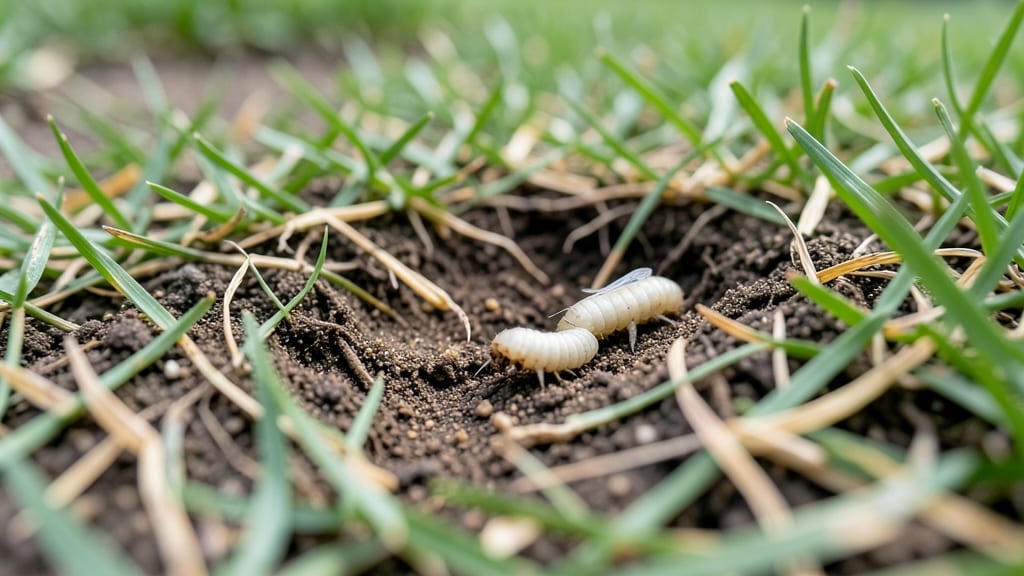
Grub worm lawn damage turns your grass into a chewed-up carpet overnight. 🌱 The telltale signs—brown patches, spongy turf, and critters tunneling underground—mean these white grubs are feasting on your roots, and without fast action, they’ll destroy your lawn by summer. The worst part?
You might not even see them until it’s too late. These C-shaped larvae thrive in moist soil, munching through roots while adult beetles lay eggs in early summer. By late summer, your lawn looks like a golf course’s worst nightmare—unless you act now.
With the right organic sprays, you can stop the damage in 3 days and restore your grass to healthy green. The key is targeting the grubs at the right time—early evening when they’re most active—and using treatments like beneficial nematodes or milky spore that break their life cycle.
Prevention is easier than repair: aerate in fall, overseed thick grass, and keep your lawn healthy so grubs have no reason to move in. Let’s get your lawn back to its best before the next generation of grubs even hatches.
The Hidden Culprits Behind Lawn Damage
Grub worms aren’t just a nuisance—they’re silent destroyers of your lawn’s health. Understanding why they strike is the first step to reclaiming your grass. These creamy-white, C-shaped larvae (the offspring of beetles like the Japanese beetle or June bug) thrive in specific conditions, turning your lawn into a buffet.
Let’s break down the key reasons your grass is falling prey to these underground pests.
Grub worms love moist, soft soil—it’s the perfect nursery for their eggs and larvae. Here’s how it happens: - Excessive watering keeps the topsoil damp for weeks, creating an ideal breeding ground.
A soggy lawn mimics their natural habitat (decaying organic matter), signaling grub worms to lay eggs in bulk. - Compacted soil (from foot traffic, heavy machinery, or clay) prevents proper drainage.
When water pools, it creates pockets of anaerobic (low-oxygen) soil where grubs can’t be outcompeted by beneficial microbes or predators like birds and toads. - Thatch buildup (a layer of dead grass and roots) traps moisture and blocks sunlight, making the soil even more inviting for grubs.
Actionable fix: Test your soil’s moisture by squeezing a handful—if it stays clumped, you’re overwatering. Aim for 1 inch of water per week (including rain) and aerate compacted areas in fall to improve drainage.
Grubs aren’t picky eaters, but they do prefer lush, nitrogen-rich grass—especially if phosphorus and potassium are lacking. Here’s the science: - High-nitrogen fertilizers (like quick-release options) spur rapid grass growth, which grubs devour like a salad bar.
The more tender the roots, the easier they are to chew. - Weak or stressed grass (from poor soil pH or nutrient deficiencies) is even more vulnerable.
Grubs target lawns where roots are already struggling to recover, making it a one-way ticket to damage. - Organic matter overload (like excessive mulch or compost) can attract beetles that lay eggs in the soil, starting the grub cycle.
Actionable fix: Use a balanced fertilizer (e.g., 16-4-8) and avoid heavy nitrogen spikes. Soil test kits (available at garden centers) can reveal if your lawn lacks phosphorus or potassium—grubs hate a well-rounded diet for your grass!
Grub worms are just the larval stage of beetles, and their numbers skyrocket when adults find the perfect conditions: - Warm nights and cool days (common in late summer/early fall) trigger beetles to emerge and mate.
Females then lay eggs 2–4 inches deep in soil, where they hatch into grubs in 10–14 days. - Landscaping with grub magnets: Plants like roses, grapes, and viburnum attract adult beetles, which then spread to your lawn.
Even a single beetle can lay 40–60 eggs in her lifetime! - Lack of natural predators: Birds, skunks, and armadillos feast on grubs, but urban lawns often lack these helpers due to pesticides or habitat loss.
Actionable fix: Install blacklight traps in late summer to catch adult beetles before they lay eggs. Plant grub-repelling ground covers like clover or creeping thyme to disrupt their life cycle.
Grubs don’t strike randomly—they follow a predictable schedule tied to your region’s climate: - Southern states: Grubs hatch year-round due to mild winters, but peak damage occurs in spring and fall when soil is moist. - Northern states: Grubs are most active from June to September, with a second wave in late summer as beetles prepare for winter. - Drought followed by rain: A dry spell hardens the soil, making it easier for beetles to lay eggs.
Then, sudden rain softens the ground, giving grubs the perfect entry point.
Actionable fix: Monitor your lawn in late summer (when beetles are most active) and early fall (when grubs are hungry after hatching). If you see birds pecking at the soil or irregular brown patches, it’s a red flag.
A weak lawn is like an all-you-can-eat restaurant for grubs.
Here’s why: - Thin or patchy grass exposes soil, making it easier for beetles to lay eggs directly on roots. - Disease or fungus (like brown patch or dollar spot) weakens grass, giving grubs an easy meal without competition from healthy roots. - Shady or poorly drained areas slow grass recovery, creating "grub hotspots" where damage spreads unchecked.
Actionable fix: Overseed bare spots in fall with grub-resistant grass types like tall fescue or Kentucky bluegrass. These varieties have deeper roots, making them harder for grubs to devour.
Grub worm damage isn’t random—it’s a chain reaction of overwatering, poor soil, beetle activity, and lawn stress. The good news? By addressing these root causes, you can starve out grubs naturally before they chew another square inch of your lawn.
Stay tuned for our 3-day organic action plan to kick them out for good!
How to Fix Chewed Grass Fast
Grub worms may be tiny, but their damage is anything but—those brown patches and spongy turf can turn your lawn into a disaster zone if left unchecked. The good news?
With the right approach, you can reverse the damage in 3 days or less while keeping your yard healthy and chemical-free. Below, we break down targeted fixes based on the root cause of your grub worm problem, plus prevention tips to keep them from crashing your lawn party again.
Before diving into solutions, make sure those chewed-up patches are actually from grub worms. How? - Dig a small patch (about 6 inches deep) in the damaged area.
If you see white, C-shaped larvae (grubs) munching on roots, you’ve got your culprit. - Check for birds or skunks digging up your lawn—these critters are grub buffets and can spread the problem. - Look for adult beetles (Japanese beetles, June bugs) in the evening—they’re the parents of those destructive grubs.
💡 Pro Tip: If the damage is irregular (not just patches) or you see mushrooms popping up, you might have fungus or disease instead. Grubs leave sponge-like turf that peels back easily—fungus often has a musty smell.
🔪 Milky spore treatment (best long-term fix)
Milky spore (Bacillus popilliae) is a natural, soil-dwelling bacteria that targets grub worms.
It’s safe for pets, kids, and the environment but takes 2–4 weeks to fully work. - When to use: Early spring or fall (when grubs are young and vulnerable). - How to apply: - Mix 1–2 lbs of milky spore powder per 1,000 sq ft with a light layer of sand (helps it stick). - Water the lawn lightly to activate the spores. - Reapply annually for 2–3 years to establish a strong colony. - Why it works: The bacteria infects and kills grubs in the soil, reducing future outbreaks.
🌡️ Pro Tip: Combine with beneficial nematodes (microscopic worms) for a 1-2-3 punch. Nematodes (Heterorhabditis bacteriophora) paralyze grubs instantly—apply in the evening when soil is moist.
🥘 Neem oil spray (fast knockdown)
Neem oil is a natural insecticide that disrupts grub feeding and growth.
It’s non-toxic but works best as a preventative or early-stage treatment. - When to use: Late afternoon (to avoid burning grass in sunlight). - How to apply: - Mix 2 tbsp neem oil + 1 tsp mild soap (as an emulsifier) per gallon of water. - Spray thoroughly on affected areas (focus on roots, not just blades). - Reapply every 7–10 days until grubs are gone. - Why it works: Neem stops grubs from molting, weakening them over time.
✨ Pro Tip: Add a little garlic or black walnut extract to the spray—both are natural grub repellents that confuse their scent trails.
👨🍳 Beneficial nematodes (instant grub eradicator)
Nematodes (Steinernema carpocapsae or Heterorhabditis) are microscopic worms that hunt and kill grubs in 48 hours.
- When to use: Late evening (they die in sunlight).
- How to apply:
- Mix 1–2 lbs of nematodes per 1,000 sq ft with water (follow package instructions).
- Apply with a hose-end sprayer or watering can.
- Water lightly after to help them move into the soil.
- Why it works: They inject bacteria into grubs, killing them within 24–72 hours.
🎯 Pro Tip: Avoid synthetic pesticides—they can kill nematodes if applied too soon. Wait 1–2 weeks after nematode treatment before using chemicals.
🌱 Overseed bare spots (fast recovery)
Grub worms devour roots, leaving patches with no grass left to regrow.
Overseeding fills in gaps while new roots establish. - When to do it: Early fall (ideal temps for germination). - How to apply: - Rake the damaged area to loosen soil. - Spread grass seed (use a fast-growing variety like perennial ryegrass or tall fescue). - Lightly water 2x daily until sprouts appear (~7–14 days). - Fertilize with a starter mix (high in phosphorus).
💡 Pro Tip: Mix seed with a little compost—it helps retain moisture and gives new roots a nutrient boost.
🌡️ Adjust watering (grubs love wet soil)
Grubs thrive in moist soil—overwatering makes your lawn a buffet. Fix it with:
- Water deeply but less often (1–1.5 inches 2–3x per week).
- Water in the morning (avoids fungal growth from evening dampness).
- Check soil moisture before watering—stick your finger 2 inches deep.
If it’s dry, water; if damp, wait.
🚫 Preventative barriers (keep grubs out)
- Apply diatomaceous earth (DE) around lawn edges—it’s sharp for grubs but safe for plants.
- Mulch with cedar chips (natural grub repellent).
- Encourage natural predators—birds, toads, and ground beetles love grubs. Leave some bare soil or install a small water feature to attract them.
| Day | Action | Expected Result |
|---|---|---|
| Day 1 | Apply nematodes + neem spray | Grubs start weakening |
| Day 3 | Reapply neem if needed | Visible reduction in feeding |
| Week 2 | Overseed bare spots | New grass begins growing |
| Week 4 | Apply milky spore (if needed) | Long-term grub prevention |
Final Thought: Grub worms are annoying but beatable—the key is speed + prevention. Start with nematodes for instant results, then milky spore for long-term control, and overseed to restore your lawn’s pride.
Before you know it, your grass will be bouncing back like a champ—no chewed-up patches in sight! 🌿💪
Frequently asked questions
How do I know if my lawn damage is from grubs instead of drought or disease?
Look for these key signs: spongy turf that peels back like a carpet, white C-shaped larvae when you dig 2-3 inches deep, or birds/skunks digging in your lawn. Unlike drought (which affects whole areas uniformly) or fungus (which often has a musty smell), grub damage creates irregular brown patches that pull up easily.
Can I use chemical insecticides for grub worms, and are they safer than organic options?
Chemical insecticides like imidacloprid or chlorantraniliprole can kill grubs quickly, but they also harm beneficial insects and may leave residues. Organic methods like beneficial nematodes or milky spore target only grubs without disrupting your lawn's ecosystem. For pets/kids, organic options are always safer.
When is the best time of year to treat for grub worms?
The ideal window is late spring to early summer (when grubs are young and vulnerable) or late summer (before they pupate). Apply treatments in the evening when soil is moist and grubs are most active. Southern climates may need year-round vigilance due to milder winters.
Will my lawn fully recover after grub damage, or will I always see scars?
With proper care, your lawn can fully recover! Overseed bare spots in fall, aerate compacted soil, and maintain healthy grass to outcompete future grubs. Thick, dense turf hides repair signs quickly. Even damaged areas can regrow to look normal within 6-12 months with consistent maintenance.
How do I prevent grubs from coming back next year?
Focus on three key strategies:
- Maintain proper watering (1 inch/week),
- Use milky spore annually for 2-3 years, and
- Encourage natural predators like birds by leaving some bare soil. Also, aerate in fall and avoid over-fertilizing with nitrogen.