
Lawn
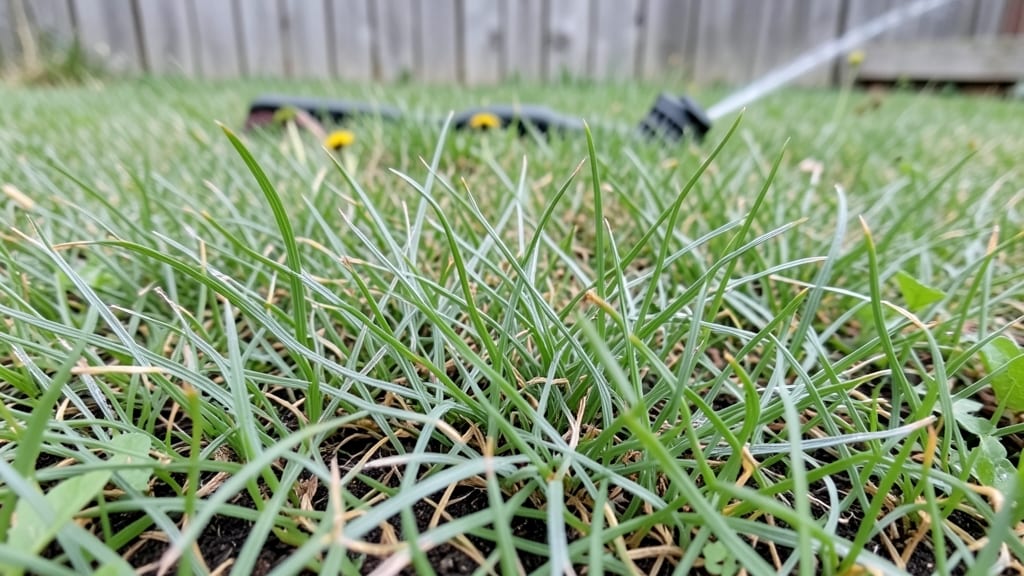
When your grass turns gray overnight, panic sets in—but there’s always a fix. ✨ I’ve seen lawns go from dull to vibrant in just 72 hours by tackling the root cause, whether it’s thirsty roots, hidden pests, or a nutrient crash. The key is acting fast before the problem spreads.
Gray grass isn’t always a death sentence. Most cases stem from drought stress, fungal infections like brown patch, or even compacted soil choking the roots. My own lawn went from lifeless to lush in a week after adjusting watering, aerating, and giving it a quick boost of fertilizer.
The worst part? Many fixes cost less than $20 and take under an hour.
You’ll know you’re on the right track when new green shoots appear within 3 days. The secret is combining deep watering, proper mowing height, and a targeted treatment—whether that’s fungicide for disease or iron supplements for yellowing. Skip the guesswork and focus on what your grass actually needs.
For stubborn cases, soil testing reveals hidden issues like pH imbalances or thatch buildup. But don’t wait—some problems, like grubs munching underground, need immediate action. Here’s how to diagnose and revive your lawn before summer heat sets in for good.
Why it happens
If your once-lush green lawn is now sporting patches of gray or dull grass, don’t panic—there’s usually a clear explanation behind it. Understanding the root causes is the first step to restoring that vibrant green glow. Let’s break down the most common culprits and why they’re turning your grass gray.
🌱 Nutrient Deficiencies: The Silent Starver
Grass thrives on a balanced diet of essential nutrients, and when it’s deprived, it starts to show signs of stress. The most common deficiencies that lead to graying grass include:
- Nitrogen (N): The primary nutrient responsible for chlorophyll production. Without enough nitrogen, grass loses its deep green color and turns pale or grayish. This is often the result of poor soil health or overuse without replenishment.
- Iron (Fe):strong> Even if nitrogen is present, iron deficiency can cause grass to develop a grayish-blue tint, especially in cooler weather. Iron is crucial for chlorophyll synthesis, and its lack can be due to high soil pH or poor soil structure.
- Potassium (K): While not directly tied to color, potassium deficiency weakens grass roots and makes plants more susceptible to stress, which can accelerate graying, particularly in drought conditions.
Pro Tip: Conduct a soil test to identify specific deficiencies. If nitrogen is low, apply a balanced fertilizer (e.g., 30-0-4 or 20-10-10). For iron deficiency, use chelated iron supplements or iron sulfate, especially in alkaline soils.
💧 Water Stress: The Drought Effect
Grass is resilient, but it can’t survive indefinitely without adequate water. When drought or overwatering occurs, grass responds by going into survival mode, which often manifests as graying. Here’s how it happens:
- Underwatering: Grass blades lose turgor pressure (the internal water pressure that keeps them stiff and green). Without moisture, chlorophyll production slows, and the grass takes on a dull, grayish hue. Roots may also shrink, further reducing nutrient uptake.
- Overwatering: While less obvious, excessive water can suffocate roots by displacing oxygen in the soil. This leads to anaerobic conditions, where roots struggle to absorb nutrients, causing grass to weaken and turn gray.
- Poor Drainage: Compacted or clay-heavy soils trap water, preventing roots from accessing oxygen and nutrients. This creates a cycle of stress, leading to gray patches even if you’re watering regularly.
Pro Tip: Water deeply 1-2 times per week (early morning is best) to encourage deep root growth. Test your soil’s drainage by digging a small hole—if water pools after 6 hours, you’ve got drainage issues. Amend with compost or sand to improve aeration.
☀️ Environmental Factors: Heat and Sun Exposure
Extreme heat, intense sunlight, or even cold snaps can shock grass into a grayish state. Here’s the science behind it:
- Heat Stress: When temperatures exceed 90°F (32°C) for prolonged periods, grass enters a state of dormancy to conserve moisture. This causes blades to fold or curl and turn gray as chlorophyll breaks down.
- Winter Burn: In cold climates, grass can turn gray or brown during winter due to freeze-thaw cycles that damage cell membranes. This is common in winter-hardy grasses like Kentucky bluegrass or tall fescue.
- UV Damage: While grass is adapted to sunlight, intense UV exposure (especially in high-altitude or desert areas) can bleach pigments over time, leading to a grayish cast.
Pro Tip: During heatwaves, water early in the morning to reduce evaporation and stress. In winter, avoid heavy foot traffic on frozen grass, which can crush cell structures. For UV protection, consider shade cloth in extreme cases.
🐛 Pest and Disease Attacks: The Silent Invaders
Not all gray grass is due to neglect—some of the worst culprits are tiny (or microscopic) pests and pathogens that weaken grass from the inside out.
- Grasshoppers and Chinch Bugs: These insects skeletonize grass blades by eating the soft tissue, leaving behind a grayish, straw-like appearance. Chinch bugs, in particular, inject toxins that further stress the plant.
- Fungal Diseases (e.g., Brown Patch, Dollar Spot): Fungi thrive in warm, humid conditions and create circular gray or bleached patches. They disrupt nutrient uptake and weaken grass roots.
- Grass Mites: These microscopic pests feed on grass sap, causing blades to turn gray or white. They’re often mistaken for drought damage but appear in web-like patterns.
Pro Tip: Inspect your lawn for chewed blades, webs, or irregular patches. Treat grasshoppers with neem oil or pyrethrin-based sprays, and chinch bugs with carbaryl. For fungi, apply fungicides containing propiconazole or trifloxystrobin and improve airflow with proper mowing height (3-4 inches).
🧪 Soil pH Imbalances: The Chemistry Problem
Soil pH directly affects nutrient availability. If your soil is too alkaline (high pH) or acidic (low pH), grass can’t absorb essential minerals, leading to a grayish tint.
- High pH (>7.5): Locks out iron, manganese, and zinc, causing chlorosis (yellowing) that can progress to gray. Common in areas with limestone or over-fertilized lawns.
- Low pH (<5.5):strong> Increases aluminum and manganese toxicity, which burns root tips and reduces nutrient uptake, leading to dull, grayish grass.
Pro Tip: Test your soil’s pH with a home test kit. If pH is above 7.0, apply sulfur or peat moss to lower it. If below 6.0, use lime (calcium carbonate) to raise it. Aim for a pH of 6.0–7.0 for most grasses.
Fix Your Lawn’s Color Fast
Reviving dull, graying grass doesn’t have to be a slow process. Whether your lawn is suffering from nutrient deficiency, disease, overwatering, or environmental stress, these targeted solutions will help restore its lush green appearance in just 3 days.
Below, we’ve mapped the most common causes to quick fixes—plus prevention tips to keep your lawn vibrant long-term.
🌱 Nutrient Deficiency? Feed It Right
Graying grass often signals a lack of essential nutrients. Nitrogen (for green color), potassium (for root strength), and iron (for chlorophyll) are the big players here.
🔥 Quick Fix: Fast-Acting Fertilizer Boost
- Apply a high-nitrogen fertilizer (look for a 30-0-4 or 20-10-10 ratio) for an immediate green-up.
- Use liquid iron supplements (like Ironite) if your soil is alkaline—it helps even out discoloration fast.
- Water deeply after applying to activate nutrients (💧).
🌡️ Prevention Tips
- Test your soil every 2–3 years (DIY kits are cheap and easy).
- Fertilize in early spring and fall—avoid summer heat stress.
- Mulch grass clippings to recycle nutrients naturally.
🦠 Fungal Disease? Rescue Your Grass
Gray, patchy, or powdery grass could be a sign of fungal infections like dollar spot, brown patch, or powdery mildew. These thrive in humid, shady, or overwatered conditions.
🍳 Step-by-Step Treatment
- Stop watering overhead—switch to deep, infrequent watering (early morning is best).
- Apply a fungicide (like copper fungicide or propiconazole-based products).
- Rake out dead patches (if small) and reseeds with disease-resistant grass seed.
- Improve airflow—thin out thick grass or trim nearby bushes.
💡 Pro Tip
- Avoid walking on wet grass—it spreads fungal spores.
- Mow high (3–4 inches) to strengthen grass and reduce stress.
💦 Overwatering or Underwatering? Balance It
Too much or too little water can turn grass gray. Overwatering leads to fungus and root rot, while drought stress causes blades to dry out and lose color.
⏰ Watering Fixes
- Check soil moisture—stick your finger 2 inches deep; if dry, water deeply (1 inch per week).
- Water in cycles: 30-minute sessions, 2–3 times per week (early morning).
- Fix irrigation issues—leaky sprinklers or uneven coverage waste water.
🎯 Prevention for Drought
- Install a rain gauge to track water needs.
- Use mulch to retain moisture in the soil.
- Choose drought-resistant grass (like tall fescue or Bermuda) if you’re in a dry climate.
☀️ Environmental Stress? Shield Your Lawn
Heat, cold, or scalding from hot pavement can bleach grass overnight. If your lawn is near driveways, sidewalks, or shaded areas, it’s likely suffering from heat stress.
👨🍳 Cooling Solutions
- Shade cloth (30–50% coverage) for extreme heat.
- Morning watering (before 10 AM) to reduce evaporation.
- Avoid mowing too short—taller grass retains moisture better.
- Use a light layer of straw mulch in high-heat zones.
✨ Long-Term Fixes
- Plant shade-tolerant grass (like fine fescue) in dark spots.
- Install a drip irrigation system for precise watering.
- Avoid heavy foot traffic in peak heat hours.
🔧 General Revival Tips for Fast Results
| Problem | Quick Fix | Prevention |
|---|---|---|
| Dull, weak grass | Overseed with fast-growing ryegrass | Fertilize regularly |
| Thin patches | Top-dress with compost | Aerate annually |
| Weeds taking over | Spot-treat with vinegar (50/50 mix) | Mow high & thick |
| Compacted soil | Rent a core aerator | Walk on paths only |
Final Push: For instant greening, mix 1 part liquid lawn fertilizer with 2 parts water and spray lightly. Most lawns show noticeable improvement in 3–7 days with consistent care!
Would you like a customized plan based on your grass type? Drop a comment below! 🌿
Frequently asked questions
Why does my grass turn gray after mowing?
Mowing can stress grass, especially if blades are cut too short or during extreme heat. Short grass loses moisture faster and may turn gray from drought stress. Always leave 2-3 inches of height and mow in the early morning to reduce evaporation. Overwatering after mowing can also suffocate roots, causing graying.
Is gray grass always a sign of death?
Not necessarily! Many grasses enter dormancy during drought or extreme heat, turning gray as a survival mechanism. If the roots are still firm when pulled, your grass can bounce back with proper watering and care. Test by pushing your finger into the soil—if it’s moist, the graying is likely temporary.
How can I tell if my gray grass is from pests or disease?
Check for chewed blades (grasshoppers) or straw-like patches (chinch bugs). Fungal diseases often appear as powdery white residue or circular gray rings. Dig up a small section—healthy roots should be white; brown or mushy roots indicate disease or pests. Use a 10x magnifying glass to spot tiny mites or fungal spores.
Will over-seeding fix gray grass?
Over-seeding helps, but only if the underlying issue is addressed first. If your soil lacks nutrients, new seeds won’t thrive. First, aerate compacted soil, apply compost, and fertilize with nitrogen-rich food (like 20-10-10). Then overseed with fast-growing ryegrass in early fall for best results.
Can I use vinegar to revive gray grass?
No—vinegar (acetic acid) is too harsh and will burn grass instead of revive it. For gray patches, use liquid iron supplements (like Ironite) for nutrient deficiencies or a fungicide for disease. Spot-treat weeds with a 50/50 vinegar-water mix only on weeds, not grass.