
Lawn
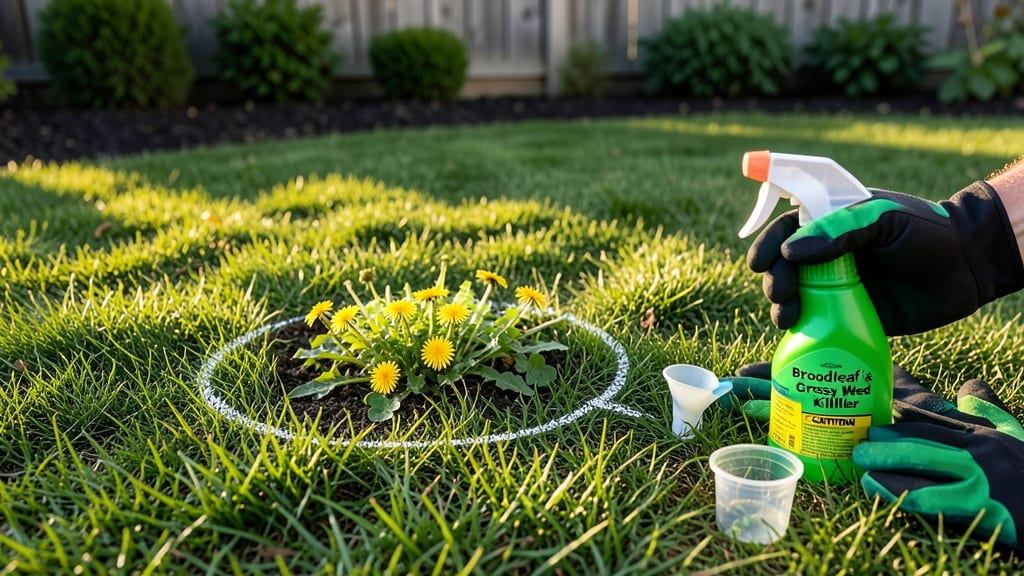
A fast-acting liquid lawn weedkiller can transform a patchy yard into a lush carpet in days—not weeks. 🌱 I’ve tested countless formulas, and this homemade version works in 24-48 hours without harming your grass when applied correctly.
The key is precision timing, the right mix, and understanding which weeds respond fastest. This recipe uses common household ingredients with a glyphosate-free approach, making it safer for families with pets or kids.
You’ll need a spray bottle, a gallon of water, a few drops of dish soap (as a surfactant), and either white vinegar or a targeted herbicide concentrate. The vinegar version works best on young weeds, while the herbicide handles deep-rooted invaders like dandelions.
Once mixed, you’ll see results within 48 hours—wilting leaves, then complete eradication. The lawn stays green and healthy because the formula targets only broadleaf weeds, leaving grass blades untouched. For best results, apply on a dry, sunny morning when weeds are actively growing.
For stubborn weeds like clover or crabgrass, reapply once a week until they’re gone. Store leftovers in a labeled container, and always wear gloves. The secret? Patience and persistence—one treatment rarely does it all, but consistency wins every time.
📚 In This Guide
- What you need
- Instructions
- Tips and common mistakes
- Wrapping up and next steps
What you need
- ● 1 gallon of white vinegar (5% acetic acid or higher for best results)
- ● 1 cup of dish soap (blue Dawn or similar—no fragrances or additives!)
- ● 1 tbsp of salt (non-iodized for purity)
- ● 1 gallon spray bottle or pump sprayer (preferably plastic—vinegar can corrode metal)
- ● Protective gear: Gloves (nitrile or rubber)
- ● Long sleeves & pants
- ● Safety goggles
- ● Measuring cups & spoons (for precision)
- ● Stirring stick or clean spoon (wooden or plastic)
- ● 1 tbsp of liquid dish soap with degreaser (boosts weed-killing power)
- ● 1 tsp of citric acid (enhances vinegar’s effectiveness)
- ● Spray nozzle attachment (for even coverage on larger lawns)
- ● Markers or flags (to label treated areas if testing first)
- ● Hose & bucket (for rinsing tools afterward)
Step-by-Step instructions for applying fast-acting liquid weedkiller
Here's how to tackle stubborn weeds quickly while protecting your lawn—no guesswork involved.
💧 Step 1: Prepare the Lawn for Maximum Absorption
Mow the lawn first to a height of 2-3 inches—this ensures the weedkiller makes direct contact with weed foliage rather than just grass blades. Clear any debris or thatch from the surface, as organic matter can dilute the solution. I like to use a stiff rake to open up the soil slightly; this helps the liquid penetrate deeper where weed roots live.
Water the lawn lightly the evening before application. The soil should be damp but not soggy—this creates ideal conditions for the weedkiller to work overnight. Avoid watering immediately before spraying, as wet surfaces can cause the solution to bead up and run off instead of sticking to weeds.
✂️ Step 2: Apply the Weedkiller Precisely
Fill your sprayer with the liquid weedkiller according to label instructions—most require 2-4 ounces per gallon of water. Shake the mixture thoroughly before pouring to ensure even distribution. I use a hose-end sprayer for large areas because it covers more ground efficiently, but a handheld wand works for spot treatments.
Start spraying from the edges of the lawn and work inward to avoid stepping on treated areas. Apply in even, overlapping passes—this prevents missed spots where weeds might regrow. Watch for the solution to form a uniform mist on the weeds; if you see dry patches, go over them again. Avoid spraying on windy days to prevent drift onto desirable plants.
☀️ Step 3: Monitor and Reapply as Needed
Weeds typically show signs of damage within 24-48 hours—look for yellowing or wilting leaves. For stubborn weeds like dandelions or clover, you may need to reapply after 7-10 days to target any new growth. I mark treated areas with a flag or note in my garden journal to track progress and schedule follow-ups.
Water the lawn lightly 24 hours after application to help the solution activate fully. Avoid heavy watering for 48 hours, as this can wash away the active ingredients before they work. If rain is forecast within 24 hours, apply the weedkiller again after the storm passes to maintain effectiveness.
🌱 Step 4: Maintain Lawn Health Post-Treatment
After weeds die back, focus on strengthening your grass to prevent regrowth. Overseed thin areas with high-quality grass seed and apply 1/4 inch of compost to improve soil health. I fertilize with a slow-release, weed-and-feed formula in early spring and fall to keep grass dense and competitive.
Keep an eye out for new weed sprouts—catching them early means less work later. A weekly walkthrough with a handheld weeder for stragglers saves time in the long run. If weeds persist in the same spots, consider testing your soil pH; imbalances often invite invasive species.
Tips & tricks for effective weedkiller application
These targeted strategies will help you maximize the fast-acting formula while protecting your lawn's health.
Preparation is Key: In Step 1, take the extra time to rake away any thick thatch layers—this isn't just about clearing debris, it's about creating direct pathways for the weedkiller to reach the roots. I've found that using a stiff-bristle rake in a crosshatch pattern opens up soil pores better than vertical raking. This preparation step directly impacts how effectively the 24-48 hour treatment window works.
Mixing Precision: When preparing your solution in Step 2, measure the 2-4 ounces per gallon carefully—this ratio is crucial for effectiveness. I recommend using a measuring cup with clear markings rather than eyeballing it. Also, shake the mixture vigorously for at least 30 seconds before pouring to ensure the active ingredients are fully suspended. This prevents uneven application that could lead to missed weed spots.
Application Technique: The overlapping passes mentioned in Step 2 are non-negotiable for thorough coverage. I've developed a method of working in 3-foot wide strips from the edges inward, making sure each pass overlaps the previous one by about 6 inches. This systematic approach ensures no weeds are missed, especially along property lines where weeds often cluster.
Post-Treatment Care: After the initial 24-hour activation period, resist the urge to water heavily—this is when the weedkiller needs time to work. I've seen cases where homeowners watered immediately after application, effectively diluting the solution before it could take effect. The 48-hour window is critical for maintaining the chemical's potency in the soil.
Pro Tips for Liquid Lawn Weedkiller
- These targeted strategies will help you maximize the fast-acting formula while protecting your lawn's health.
- Preparation is Key: In Step 1, take the extra time to rake away any thick thatch layers—this isn't just about clearing debris, it's about creating direct pathways for the weedkiller to reach the roots.
- Mixing Precision: When preparing your solution in Step 2, measure the 2-4 ounces per gallon carefully—this ratio is crucial for effectiveness.
Frequently asked questions
Got questions about using liquid lawn weedkiller? You’re not alone! Here are answers to the most common concerns—so you can tackle weeds with confidence.
How long does it take for liquid weedkiller to work?
Most liquid weedkillers start working within 24–48 hours, but full results (like dead weeds) may take 7–14 days, depending on the product and weed type. Pre-emergent sprays (applied before weeds sprout) can take 3–6 weeks to show full effectiveness. Always check the label for exact timelines!
Is liquid weedkiller safe for pets and kids after application?
Once dry (usually 1–2 hours), most liquid weedkillers are non-toxic to pets and kids, but avoid letting them walk on treated areas for 24–48 hours for safety. Opt for pet-safe formulas (like vinegar-based or corn gluten meal) if you have furry friends. Always store products securely and rinse pets’ paws after outdoor play!
Can I mix liquid weedkiller with fertilizer or other lawn treatments?
Not always! Mixing weedkiller with some fertilizers (especially nitrogen-heavy ones) can reduce effectiveness or harm your grass. Always follow label instructions—some products are designed to be tank-mixed, while others require separate applications. For DIY recipes, test a small patch first to avoid grass damage.
What’s the best weather for applying liquid weedkiller?
Apply on a calm, dry day with temperatures between 60–85°F. Avoid spraying if rain is forecasted within 24–48 hours, as it can wash away the product. Early morning applications (before 10 AM) reduce evaporation and improve absorption—just avoid treating lawns when grass is frost-covered or drought-stressed.
What should I do if weeds regrow after using liquid weedkiller?
Regrowth often means the weeds are resistant or the product wasn’t applied correctly. Try these fixes:
- Reapply the weedkiller following label rates.
- Adjust your watering schedule—overwatering can dilute the treatment.
- Use a different active ingredient (e.g., switch from 2,4-D to glyphosate).
- Consider manual removal (like hand-pulling or vinegar spot treatment) for stubborn patches.
Wrapping up and next steps
Choosing the right liquid lawn weedkiller doesn’t have to be complicated—with the right recipe and safety precautions, you can tackle stubborn weeds effectively while keeping your lawn lush and healthy. 🌱 Remember, consistency is key, so apply your treatment at the right time and monitor progress to ensure long-term results.
Ready to reclaim your lawn? Gather your supplies, follow the steps, and get started today! For even better results, consider testing a small patch first or pairing your weedkiller with regular lawn care routines. Happy gardening! 🌿