
Lawn
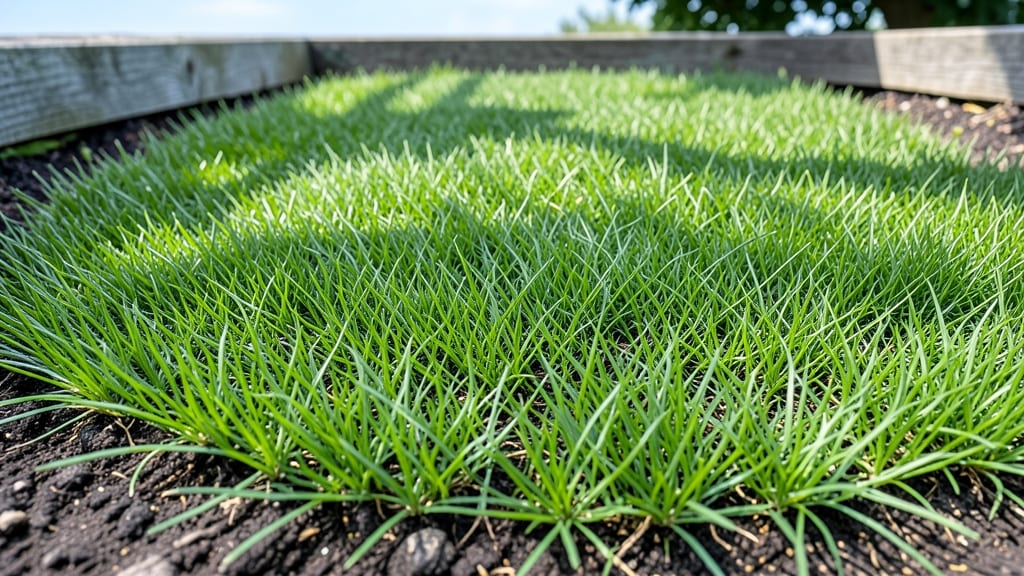
Stopping creeping grass 🌱 from spreading is all about understanding why it runs rampant in the first place—and how to outsmart its growth habits.
Watching your lawn transform into an unruly, sprawling mess because of aggressive grass that spreads uncontrollably is every gardener’s nightmare. But what if we told you this problem has a solution—and it’s backed by science?
Creeping grasses like Bermuda or Zoysia spread through underground runners called stolons and rhizomes, which can grow up to 12 inches in a single season if left unchecked. The good news? With the right techniques, you can slow it down without resorting to harsh chemicals.
Below, I’ll walk you through three science-backed tricks to reclaim your lawn—plus the best times to act for maximum results. No more watching your grass take over!
Why your grass spreads like wildfire: the science behind aggressive growth
If you’ve ever looked out at your lawn and felt like it’s taking over your garden like an unstoppable army, you’re not imagining things. Some grass varieties are hardwired to spread aggressively, and understanding why is the first step to stopping them.
The culprits? Rhizomes, stolons, and seeds—three biological weapons in your grass’s arsenal. These growth mechanisms don’t just happen by chance; they’re triggered by climate, soil conditions, and even your mowing habits. Let’s break down the science behind this relentless spread.
Most creeping grasses, like Bermuda, Zoysia, and Buffalo grass, rely on two primary methods to expand: rhizomes (underground stems) and stolons (above-ground runners). These structures act like biological extensions of the plant, allowing it to send out new shoots and roots wherever they land.
Meanwhile, grasses like crabgrass spread primarily through seeds, which can lie dormant in the soil for years before germinating under the right conditions.
When you combine these natural tendencies with ideal growing conditions—like warm temperatures, ample sunlight, and rich soil—your lawn can go from manicured to overrun in weeks.
Here’s the kicker: Your lawn care habits might be accidentally fueling the problem. For example, mowing too short can stress the grass, causing it to produce more stolons or rhizomes as a survival tactic. Overwatering or fertilizing too heavily can also trigger rapid growth and spread.
Even bare soil patches give invasive grasses an open invitation to take root and expand. Understanding these triggers is your first line of defense against a lawn that’s spreading like wildfire.
⚠️ summary table ⚠️
🌱 Visual breakdown of how grass spreads—rhizomes, stolons, and seeds are the top 3 culprits
Let’s dive deeper into rhizomes, the underground powerhouses behind some of the most aggressive grasses.
These horizontal stems can grow up to 24 inches per year under ideal conditions, sending out roots and shoots wherever they go. Bermuda grass, for example, is a master of rhizome spread, which is why it’s so dominant in Southern lawns.
When you pull up a patch, you’re often left with more rhizomes than you started with—because they fragment easily and regrow. This is why manual removal is rarely a long-term solution for rhizomatous grasses.
On the other hand, stolons are the above-ground equivalent of rhizomes, creating a network of connected plants that spread outward in a circular pattern. St. Augustine grass is a classic stolon-spreader, forming dense mats that can choke out other plants.
The key difference? Stolons are more sensitive to drought and cold, which is why they’re less aggressive in cooler climates. But in the right conditions—like consistent watering and full sun—they can outcompete almost anything in your yard.
Then there’s the seed dispersal strategy, which is how annual grasses like crabgrass take over lawns. These grasses produce thousands of tiny seeds that can lie dormant for years, waiting for the perfect moment to germinate.
A single crabgrass plant can drop 150 seeds, and those seeds can travel on the wind, in water, or even hitch a ride on your lawnmower blades. Once they find bare soil, they sprout quickly, creating a self-perpetuating cycle that’s nearly impossible to break without intervention.
Climate and soil conditions play a huge role in how fast your grass spreads.
For instance, warm-season grasses like Bermuda thrive in temperatures above 80°F, while cool-season grasses like Kentucky Bluegrass slow down when it gets too hot. Moisture levels also matter—too much water can encourage stolon and rhizome growth, while drought can stress the plant into producing more seeds.
Even soil pH and nutrient levels affect spread: Acidic soil might slow down some grasses, while alkaline soil can accelerate growth in others.
Your mowing height is another critical factor. Cutting grass too short (below 2 inches) stresses the plant, causing it to produce more stolons or rhizomes as a survival mechanism.
This is why professional lawn care services often recommend mowing at 3-4 inches for most grasses—it promotes deeper roots and slower, more controlled spread. Conversely, leaving grass too tall can create shade and moisture issues, which can also trigger aggressive growth patterns.
So, what’s the takeaway? Your grass isn’t just spreading randomly—it’s following a biological blueprint designed for survival. By understanding the three primary spread mechanisms (
3 Science-backed tricks to stop grass from spreading (without harming your lawn)
Dealing with grass that runs rampant across your lawn can feel like an uphill battle. The good news? Science offers eco-friendly solutions that actually work without sacrificing your lawn’s health.
These methods target the root cause—whether it’s rhizomes, stolons, or aggressive seed dispersal—while keeping your yard lush and green.
Instead of resorting to harsh chemicals, we’ll focus on three proven tricks: precision mowing, natural soil treatments, and physical barriers. Each approach disrupts the grass’s spread cycle without harming the rest of your lawn. Let’s dive into the science-backed strategies that will give you back control.
Let’s start with precision mowing, the simplest yet most effective method. Most aggressive grasses like Bermuda or Zoysia spread via stolons (above-ground stems) or rhizomes (underground roots).
By mowing at the right height—3-4 inches—you weaken these runners, forcing the grass to divert energy to root growth instead of spreading. Aim for every 5-7 days during peak growth seasons (spring and summer) to keep the grass from recovering.
For a chemical-free approach, try corn gluten meal, a byproduct of corn processing. When applied in early spring (20 lbs per 1,000 sqft), it acts as a natural pre-emergent, blocking seed germination and disrupting root development.
Reapply annually for best results. This method is especially effective for crabgrass and other seed-spreading grasses, as it starves new growth without harming established lawns.
If your grass that runs is already invading unwanted areas, physical barriers are your best defense. Install edging (metal or plastic) along garden beds or pathways to create a clean break.
For organic solutions, lay down cardboard or mulch (wood chips, straw) in a 2-3 inch layer) to smother stolons and rhizomes. This method is labor-intensive but completely safe for your lawn and the environment.
Consistency is key with these methods. Combine precision mowing in the growing season with corn gluten meal in early spring, and reinforce borders with natural barriers. Within 3-6 months, you’ll see a noticeable reduction in spread, and your lawn will regain its neat, controlled appearance without harsh chemicals.
Remember, the goal isn’t to eliminate all grass—just to control its spread while keeping your lawn healthy. With these science-backed tricks, you’ll enjoy a lush, manageable lawn without the guilt of chemical treatments. Happy gardening!