
Lawn
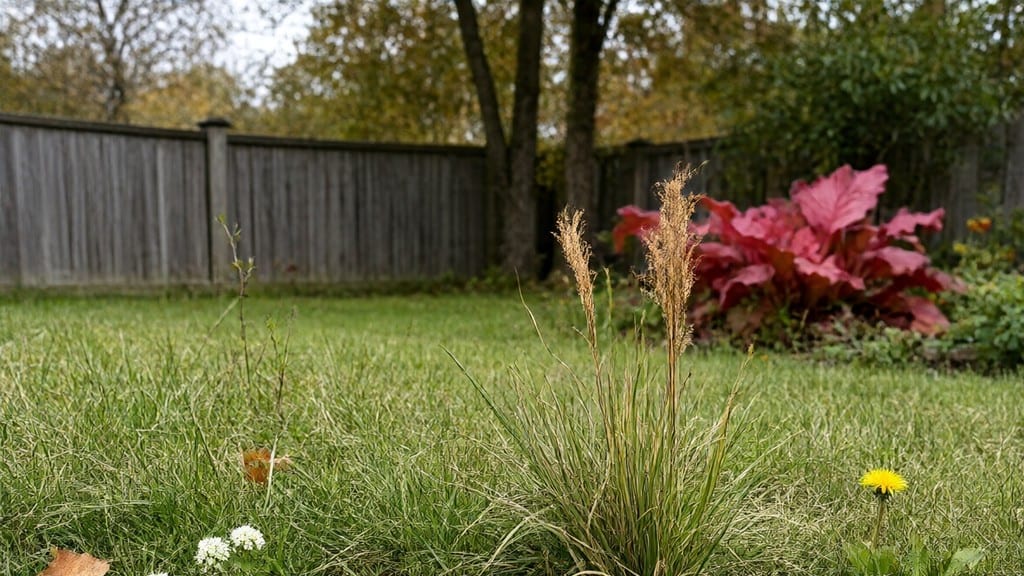
Fall is the perfect time to transform your lawn into a vibrant green carpet that wows neighbors and survives winter. 🌱 I’ve learned the hard way that skipping fall prep means patchy grass by spring—so I’m sharing the cold-hardy varieties and quick steps that make all the difference.
The secret isn’t just picking the right grass—it’s timing. Overseed in late September to early October when soil temps drop below 65°F, fertilize with a slow-release formula, and adjust mower height to 3 inches before frost hits.
Aerate compacted soil, and you’ll see roots deepen and blades bounce back faster next spring.
By Thanksgiving, your lawn will look thicker and healthier than your summer neighbors’—no waiting until spring. These varieties (like tall fescue or ryegrass) handle frost like champs, and with proper care, they’ll green up 2-3 weeks earlier than neglected patches.
Works for both cool-season and warm-season lawns, though warm-season grasses (like Bermuda) need extra attention before dormancy. Let’s get that fall lawn prep done right—before the first freeze locks things in.
📚 In This Guide
- What you need
- Instructions
- Tips and common mistakes
- Wrapping up and next steps
What you need
- ● Cold-hardy grass seed: Choose 100% pure varieties like Tall Fescue (10-15 lbs per 1,000 sq ft) or Perennial Ryegrass (5-8 lbs per 1,000 sq ft) for fast fall germination.
- ● Starter fertilizer: A high-phosphorus (P) blend (e.g., 10-20-10) at 0.5 lbs per 1,000 sq ft to boost root growth.
- ● Soil amendment: Compost (2-3 inches, spread evenly) or peat moss to improve drainage and seed-to-soil contact.
- ● Lawn rake: A bendable-tine rake (for seed) or bow rake (for debris removal).
- ● Seed spreader: A broadcast spreader for even coverage (rent or buy for ~$50-$150).
- ● Water source: A hose with adjustable nozzle or sprinkler (oscillating or rotary for large areas).
- ○ Optional: A lawn aerator (manual or rented) to loosen compacted soil before seeding.
- ● Soil test kit (~$20) to check pH (ideal: 6.0-7.0 for cool-season grasses).
- ● Straw or netting (for erosion-prone slopes) to hold seed in place.
- ● Knee pads (because crawling on grass is not a workout you want to skip!).
- ● Weather window: Plant when daytime temps are 60-75°F and nights stay above 50°F (ideal: late August to October, depending on your zone).
- ● Prepped soil: Mow existing grass short (1-1.5 inches), remove debris, and loosen topsoil 1/4 inch deep.
- ● Water access: Commit to daily light watering (10-15 mins) for the first 2-3 weeks.
Step-by-step guide to establishing cold-hardy grass in fall
Here’s how to plant resilient grass varieties that stay green through winter and bounce back quickly in spring.
🌱 Step 1: Prepare the Soil for Optimal Germination
Test your soil’s pH first—most cold-hardy grasses thrive in 6.0-7.0. If it’s too acidic or alkaline, amend with 2 pounds of lime per 100 square feet (for acidic soil) or 2 pounds of sulfur (for alkaline soil) at least 2 weeks before planting. This ensures the roots establish properly before winter chill sets in.
Loosen the top 4-6 inches of soil with a broadfork or tiller. Break up any compacted layers—grass roots need deep, aerated soil to survive winter. Smooth the surface afterward with a rake to create a fine seedbed. The goal is a texture like crumbly cake batter: firm enough to hold seeds but loose enough for roots to penetrate.
💧 Step 2: Sow Seeds at the Right Depth and Timing
Scatter 1 pound of cold-hardy grass seed per 100 square feet evenly by hand or with a broadcast spreader. For fine fescue or creeping red fescue (top choices for fall planting), aim for ¼-inch depth—too deep and germination slows. Lightly rake the seeds into the soil to ensure good seed-to-soil contact without burying them.
Water immediately with a fine mist until the soil is evenly moist to 1 inch deep. Afterward, keep the surface moist but never soggy—water daily until germination occurs (7-14 days for cool-season grasses). You’ll know it’s working when you see tiny green shoots breaking through the soil, usually within 10-14 days if temperatures stay above 50°F.
☀️ Step 3: Provide Consistent Moisture Through Establishment
Fall’s cooler air holds less moisture, so water early in the day to prevent fungal diseases. Aim for ½ inch of water per week, breaking it into 2-3 shorter sessions to encourage deep root growth. Use a rain gauge or tuna can to measure—1 inch equals 16 drops from a standard watering can.
Once seedlings reach 2-3 inches tall (about 3-4 weeks after sowing), gradually reduce watering to ¼ inch per week to toughen them up. This prepares them for winter dormancy. If frost threatens before roots establish, apply a 2-inch layer of straw mulch to insulate the soil—just remove it in early spring to avoid smothering new growth.
✂️ Step 4: Mow and Fertilize for Winter Readiness
Wait until grass reaches 3-4 inches tall before the first mow—this ensures roots are deep enough to store energy for winter. Set your mower to 3 inches and never remove more than ⅓ of the blade height at once. Sharp blades prevent tearing, which invites disease. Bag the clippings the first few times to avoid thatch buildup.
Apply ½ pound of slow-release fertilizer per 100 square feet (look for a 10-0-10 or 12-0-12 blend) 4-6 weeks after germination. This gives roots a nutrient boost before dormancy. Avoid nitrogen-heavy fertilizers now—you’ll risk tender growth that won’t survive winter. In late fall, top-dress with 1 pound of compost per 100 square feet to improve soil structure for spring.
Tips & tricks for perfect cold-hardy fall grass establishment
These game-changing strategies will help you establish resilient grass that stays vibrant through winter and springs back faster than ever.
Soil Preparation Secret: Before amending your soil, perform a simple DIY pH test using red cabbage juice or baking soda—just mix 1 tbsp baking soda in 1 cup of boiling water, cool, then pour over soil samples. Purple indicates acidic soil (needs lime), blue-green indicates alkaline (needs sulfur). This precise approach ensures you're using the exact 2 pounds of lime or sulfur per 100 square feet only where needed, saving money and time. The 4-6 inch deep loosening is crucial—think of it as creating a fluffy nest for those seeds to settle into comfortably.
Timing is Everything: Fall planting works best when daytime temperatures average between 60-70°F and nighttime dips below 50°F. This temperature range triggers germination while preventing heat stress. I always check the 10-day forecast before seeding—if temperatures are predicted to drop below 40°F within 7-10 days, delay planting until conditions improve. The 7-14 day germination window gives you a clear target: if you don't see sprouts by day 14, either the seeds need more moisture or the soil temperature is too cool.
Watering Wisdom: The ½ inch per week watering guideline might seem straightforward, but timing matters just as much as quantity. I've found that splitting this into 2-3 shorter sessions prevents water from evaporating too quickly in fall's cooler air. Use a simple rain gauge or even a tuna can to measure—1 inch equals 16 drops from a standard watering can. For large areas, consider investing in a soaker hose that delivers water directly to the roots without disturbing the soil surface. This method saves time while ensuring consistent moisture.
Frost Protection Strategy: When frost threatens before roots establish, don't just throw straw on willy-nilly. Create a 2-inch layer of straw mulch only after the soil temperature drops below 45°F at night. This insulating layer helps maintain soil temperature around 50°F, which is the sweet spot for root development. I always remove the mulch in early spring before new growth emerges to prevent smothering—just rake it off gently when you see those first green shoots breaking through.
Pro Tips for Grass In Fall
- These game-changing strategies will help you establish resilient grass that stays vibrant through winter and springs back faster than ever.
- Soil Preparation Secret: Before amending your soil, perform a simple DIY pH test using red cabbage juice or baking soda—just mix 1 tbsp baking soda in 1 cup of boiling water, cool, then pour over soil samples.
- Timing is Everything: Fall planting works best when daytime temperatures average between 60-70°F and nighttime dips below 50°F.
Frequently asked questions
Got questions about keeping your lawn lush in fall? You’re not alone! Here are some of the most common concerns—and straightforward answers—to help you tackle the season with confidence.
What’s the best time to plant grass seed in the fall?
For most regions, late summer to early fall (around mid-August to mid-September) is ideal. Cooler temps and increased rainfall give seeds time to establish strong roots before winter. Just avoid planting too close to frost—aim for 4–6 weeks before the first hard freeze.
Will grass still grow in cold weather?
Yes! Cool-season grasses (like fescue, ryegrass, and Kentucky bluegrass) thrive in fall’s mild temps (50–70°F). Growth slows below 40°F, but roots keep developing. Warm-season grasses (e.g., Bermuda, Zoysia) go dormant—don’t panic if they turn brown!
How can I speed up grass regrowth in fall?
Focus on watering deeply 2–3 times per week (1 inch total) and mowing at 3–4 inches tall to encourage root growth. A light fall fertilizer (high in nitrogen) can also give your lawn a growth boost. Avoid overwatering—soggy soil invites disease.
What’s a good alternative if my grass won’t green up?
Consider clover or microclover for nitrogen-rich, drought-tolerant ground cover. Or try creeping thyme—it’s hardy, low-maintenance, and stays green. For instant color, annual ryegrass germinates fast (in 5–10 days) and handles light foot traffic.
Why is my new grass turning brown in fall?
Brown patches often mean overwatering, fungal issues, or thin soil. Check for dollar spots (fungus) and adjust watering. If soil is compacted, aerate before reseeding. For warm-season grasses, brown = dormant—it’ll bounce back in spring!
Wrapping up and next steps
Fall is the perfect time to refresh your lawn with cold-hardy grass varieties that stay green and resilient through the season.
Whether you’re overseeding, patching bare spots, or prepping for winter, the right choices—like tall fescue, fine fescue, or perennial ryegrass—can transform your yard into a lush, low-maintenance oasis. 🌱
Don’t let the cooler weather slow you down—take action now to enjoy a vibrant lawn come spring! Start by testing your soil, selecting the best seeds for your climate, and following the planting steps outlined above.
With a little effort, you’ll have a greener, healthier lawn that stands up to winter’s challenges.
Next steps:
- Pick your cold-hardy grass variety based on your region and lawn needs.
- Gather your tools and materials—soil tester, seeds, and compost are key!
- Schedule your planting for early fall (before the first frost) for the best results.