
Pests
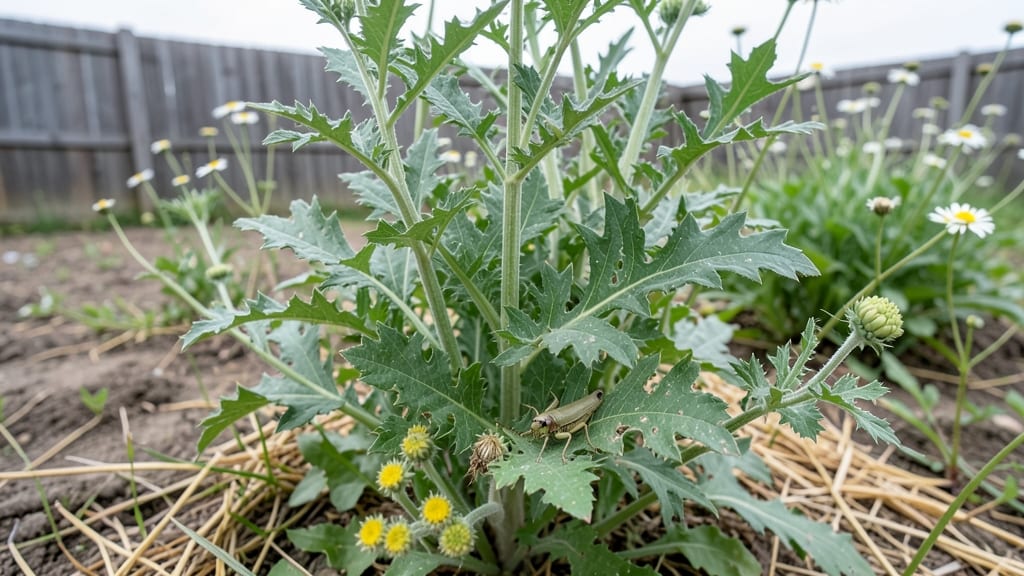
Grasshopper control starts with the right barriers before they become a full-blown infestation. 🌱 I’ve lost entire rows of beans and corn to these striped invaders, but I’ve since mastered a few foolproof methods that actually work—no harsh chemicals required.
The key is catching them early, when they’re still small and hungry, before they strip your garden bare.
These jumpers love open fields and drought-stricken soil, so the first line of defense is simple: healthy, dense plantings that make it harder for them to lay eggs. Tall grasses, clover, and even a few rows of sunflowers can disrupt their life cycle.
I’ve also seen diatomaceous earth around plant bases stop them in their tracks—just sprinkle it lightly after watering, and it works like a natural sandpaper for their legs.
Once you spot the damage—skeletons of leaves, chewed stems, or tiny black droppings—act fast. Birds and spiders are your secret weapons; installing a birdhouse or leaving some bare soil for ground predators helps.
For bigger outbreaks, neem oil sprays or row covers (lightweight fabric) create instant protection without harming your plants or the ecosystem.
Timing matters most: treat in late spring to early summer when nymphs hatch, and repeat every 2-3 weeks until harvest. The goal isn’t eradication—it’s balance. A few grasshoppers? No big deal. An army? That’s when these methods become your garden’s best defense. Let’s get your plants back to thriving.
Why it happens
Grasshoppers don’t just appear out of nowhere—they’re drawn to your property for specific reasons, often tied to environmental cues, food availability, or habitat preferences. Understanding these triggers is the first step to preventing and managing their presence naturally.
Here’s why these pests show up in your yard, garden, or crops—and how their behavior works against you.
🌱 Overgrown or Unmaintained Grass & Weeds
Grasshoppers thrive in dense, unkempt vegetation because it provides three critical resources:
- Food: Weeds like dandelions, clover, and crabgrass are their favorite buffet. Even healthy lawns can attract them if left untrimmed—tall grass hides eggs and offers easy grazing.
- Shelter: Thick grass and weeds create microclimates that protect grasshoppers from predators (like birds) and extreme temperatures. A yard with patchy sunlight and moisture becomes a grasshopper hotspot.
- Breeding Grounds: Female grasshoppers lay eggs in moist soil, often near weed patches or along fence lines. If your yard has compacted or uneven soil, it’s an ideal egg-laying site.
Actionable Fix: Mow regularly (keep grass <3 inches tall), remove weeds, and till the soil in early spring to disrupt egg beds. Natural barriers can also deter them from settling in.
🌾 Abundant Crops & Garden Plants
Grasshoppers are polyphagous—they’ll eat anything green. But they have a preference for:
- Corn, wheat, and barley (their staple crops in the wild). A single grasshopper can devour its body weight in plants daily!
- Vegetables like beans, peas, and lettuce—especially in dry conditions when moisture is scarce.
- Fruit trees and berries (they chew leaves and fruit, reducing yields by up to 50% in severe infestations).
Even ornamental plants (like roses or lavender) aren’t safe—they’ll munch on flowers and new growth. Grasshoppers use chemical cues in plant sap to locate food, so a lush, healthy garden is like a neon sign to them.
Actionable Fix: Use grasshopper-repellent plants (like catnip or marigolds) as borders. Row covers or netting can protect vulnerable crops.
💧 Water Stress & Drought Conditions
Grasshoppers are opportunistic feeders, and drought forces them to seek out any green vegetation—even your carefully tended garden. Here’s how water scarcity plays a role:
- Desiccation Triggers Migration: When their natural habitats dry up, grasshoppers fly up to 15 miles in search of moisture. Irrigated lawns or gardens become oases.
- Stressed Plants = Easier Prey: Drought-stressed plants have lower tannin levels (a natural defense), making them tastier to grasshoppers. A well-watered lawn, however, can deter them.
- Moisture Retention in Soil: Grasshopper eggs need moist soil to hatch. If your yard has poor drainage or compacted soil (common in urban areas), it becomes a prime egg-laying site.
Actionable Fix: Improve soil drainage with compost or sand. Water deeply but infrequently to encourage deep root growth (which grasshoppers dislike). Mulch can also help retain moisture while confusing their egg-laying radar.
🏡 Lack of Natural Predators
Grasshoppers are prey animals, and their populations explode when their predators—like birds, spiders, and parasitic wasps—are scarce. Here’s why your yard might lack these allies:
- Urbanization: Cities and suburbs reduce habitat for predator species. Fewer trees, shrubs, and open fields mean fewer sparrows, meadowlarks, or swallows to keep grasshopper numbers in check.
- Pesticide Use: Broad-spectrum pesticides (even "safe" ones) can kill predator insects faster than grasshoppers, creating a false sense of control. For example, neonicotinoids harm bees and ladybugs, which indirectly boosts grasshopper survival.
- Monoculture Landscaping: A lawn full of one type of grass (like Kentucky bluegrass) offers no diversity for predator insects. Native wildflowers and clover, however, attract beneficial bugs.
Actionable Fix: Plant native wildflowers (like milkweed or goldenrod) to attract birds and insects. Avoid chemical pesticides—opt for targeted natural solutions instead.
🌡️ Climate & Seasonal Shifts
Grasshopper activity isn’t random—it’s highly seasonal and tied to temperature, humidity, and day length. Here’s how climate influences their behavior:
- Warm Springs = Early Hatching: Eggs hatch when soil temps reach 60°F (15°C). Warmer winters (due to climate change) mean earlier and larger grasshopper populations.
- Dry Summers = Explosive Growth: Lack of rain reduces plant defenses and concentrates grasshoppers in irrigated areas. A single "outbreak" year can see hundreds per square yard.
- Nighttime Cooling Tricks Them: Grasshoppers are cold-blooded—they’re most active in the early morning or late afternoon when temps are mild. This is why you might see them on your patio lights at dusk!
Actionable Fix: Time your barrier applications for late spring to early summer, when nymphs (baby grasshoppers) are most vulnerable. Use weather forecasts to predict peak activity in your region.
Natural Ways to Stop Grasshoppers Fast
Now that you understand why grasshoppers invade your yard, garden, or crops, it’s time to take action! The good news? You don’t need harsh chemicals to keep these pests in check.
Below are targeted, natural solutions based on the root causes of grasshopper infestations—whether it’s overgrown vegetation, standing water, or lack of predators. Each method is practical, eco-friendly, and designed to work without harming your plants, pets, or the environment.
🌱 Overgrown or unkempt grass? Trim & tidy
Grasshoppers thrive in tall, dense grass and weeds because it provides hiding spots, food, and breeding grounds. If your lawn or garden looks like a jungle, they’ll move in fast.
Fix It: ✅ Mow regularly – Keep grass 3–4 inches tall to eliminate hiding spots. Grasshoppers prefer tall, uncut grass, so frequent mowing disrupts their habitat. ✅ Remove weeds & debris – Clear away leaf litter, dead plants, and brush where grasshoppers lay eggs. Focus on perennial weeds like dandelions and clover—their deep roots attract them. ✅ Edge your lawn – Trim grass along fences, sidewalks, and driveways to create a barrier effect, making it harder for hoppers to cross into your yard.
💡 Pro Tip: Use a string trimmer for hard-to-reach areas, especially near woodpiles or garden edges where grasshoppers hide.
💧 Standing water? Dry it out
Grasshoppers need moisture to survive, especially during dry spells. Puddles, birdbaths, and damp soil become attractants—and if they’re nearby, they’ll stick around.
Fix It: ✅ Eliminate stagnant water – Drain gutter puddles, old tires, and clogged drains where water collects. Grasshoppers use these as temporary water sources. ✅ Adjust irrigation – Water early in the morning (before 10 AM) to reduce humidity. Avoid overwatering—dry soil discourages egg-laying. ✅ Add gravel or sand – In low-lying areas, spread gravel or coarse sand to improve drainage and make the ground less appealing.
💡 Pro Tip: If you have a birdbath or pet water bowl, place it in full sun and empty it daily to prevent grasshoppers from gathering.
🐞 Missing natural predators? Bring them back
Grasshoppers have plenty of enemies—birds, spiders, toads, and even parasitic wasps. If these predators are scarce, hoppers multiply unchecked.
Fix It: ✅ Install birdhouses & feeders – Attract robins, sparrows, and purple martins, which eat hundreds of grasshoppers daily. Place feeders near grassy areas. ✅ Create a toad-friendly zone – Toads love moist, shady spots. Add a small pond or damp mulch bed to encourage them. ✅ Plant predator-attracting flowers – Marigolds, sunflowers, and cosmos draw ladybugs and lacewings, which prey on grasshopper eggs.
💡 Pro Tip: Avoid pesticides—they kill beneficial insects like spiders and ground beetles, which also eat grasshoppers.
🌿 Planting the wrong crops? Switch to repellents
Some plants repel grasshoppers naturally, while others attract them. If your garden is a buffet, it’s time to rethink your plant choices.
Fix It: ✅ Plant grasshopper-repelling herbs –
- Basil, mint, and rosemary (strong scents deter them)
- Garlic & chives (release sulfur compounds hoppers hate)
- Catnip (contains nepetalactone, a natural repellent)
✅ Avoid grasshopper favorites – Skip corn, alfalfa, and wheat if you’re seeing heavy infestations. Instead, opt for tomatoes, peppers, and beans, which grasshoppers tend to avoid. ✅ Use companion planting – Surround vulnerable plants (like squash and cucumbers) with nasturtiums or marigolds to confuse and repel hoppers.
💡 Pro Tip: Crush fresh herbs (like mint or basil) and place them around garden edges for a stronger repellent effect.
🛡️ Need a physical barrier? Try these tricks
Sometimes, the best defense is a physical block. Grasshoppers are jumpers, but they can’t climb or cross certain materials easily.
Fix It: ✅ Create a diatomaceous earth (DE) ring – Sprinkle food-grade DE in a 1–2 inch band around garden beds. It dries out their exoskeletons without harming plants. ✅ Use copper tape – Wrap copper mesh or tape around raised beds or containers. Grasshoppers avoid copper because it gives them a mild electric shock. ✅ Install fine mesh netting – Cover seedlings and young plants with lightweight garden fabric to block hoppers from reaching them.
💡 Pro Tip: Reapply DE after rain—it loses effectiveness when wet.
🚫 Last resort: manual removal (yes, it works!)
For small infestations, picking grasshoppers off by hand is surprisingly effective—especially in early morning when they’re sluggish.
Fix It: ✅ Shake them into a bucket – Use a hula hoop, tarp, or large bowl to trap hoppers, then drown them in soapy water (1 tbsp dish soap per gallon). ✅ Vacuum them up – A shop vac or leaf blower can suck them into a bag for disposal. ✅ Disrupt their jumps – Grasshoppers can’t jump on windy days. Use a fan or outdoor breeze to make your yard less inviting.
💡 Pro Tip: Check egg pods in late summer/fall—scratch the soil near grassy edges and destroy them before they hatch.
🛑 Prevention: stop them before they start
The best way to control grasshoppers? Prevent them from moving in in the first place.
✅ Mulch strategically – Use wood chips or straw to dry out soil, making it less hospitable for egg-laying. ✅ Rotate crops – If you grow corn or alfalfa, avoid planting them in the same spot yearly—grasshoppers remember! ✅ Encourage biodiversity – A healthy, varied ecosystem (with birds, insects, and plants) naturally keeps populations low. ✅ Monitor early – Check for egg pods in late summer and remove them before they hatch in spring.
Final Thought: Grasshopper control doesn’t have to mean chemical warfare—small, consistent efforts (like mowing, planting repellents, and attracting predators) can dramatically reduce their numbers. Start with one or two methods this week, and you’ll see a difference in no time! 🚀
Frequently asked questions
What’s the best time of year to start grasshopper control?
Focus on late spring to early summer when nymphs (baby grasshoppers) first emerge—this is when they’re most vulnerable. Start treatments in May or June and repeat every 2-3 weeks until harvest. Early intervention prevents them from becoming a full-blown infestation.
Can I use diatomaceous earth (DE) around my vegetable garden?
Yes! Sprinkle food-grade DE in a 1-2 inch band around plant bases—it dries out their exoskeletons without harming plants or pets. Just reapply after rain, as it loses effectiveness when wet. Avoid inhaling the powder and keep it away from water sources.
How do I know if I have a grasshopper infestation?
Look for chewed leaves with jagged edges, tiny black droppings (frass), or skeletons of plants left standing. Check undersides of leaves at dawn/dusk when grasshoppers are most active. A single plant with 5+ holes suggests an infestation.
Are there chemical-free ways to attract natural predators?
Install birdhouses for robins and sparrows, plant native wildflowers (like milkweed), and create toad-friendly zones with damp mulch. Ladybugs and lacewings thrive near marigolds and sunflowers—these predators will keep grasshopper populations in check naturally.
Will row covers work for grasshopper control?
Yes, lightweight floating row covers (made of breathable fabric) create a physical barrier that blocks grasshoppers from reaching plants. Secure edges tightly and remove covers during pollination if needed. This method works best for seedlings and young plants.