
Lawn
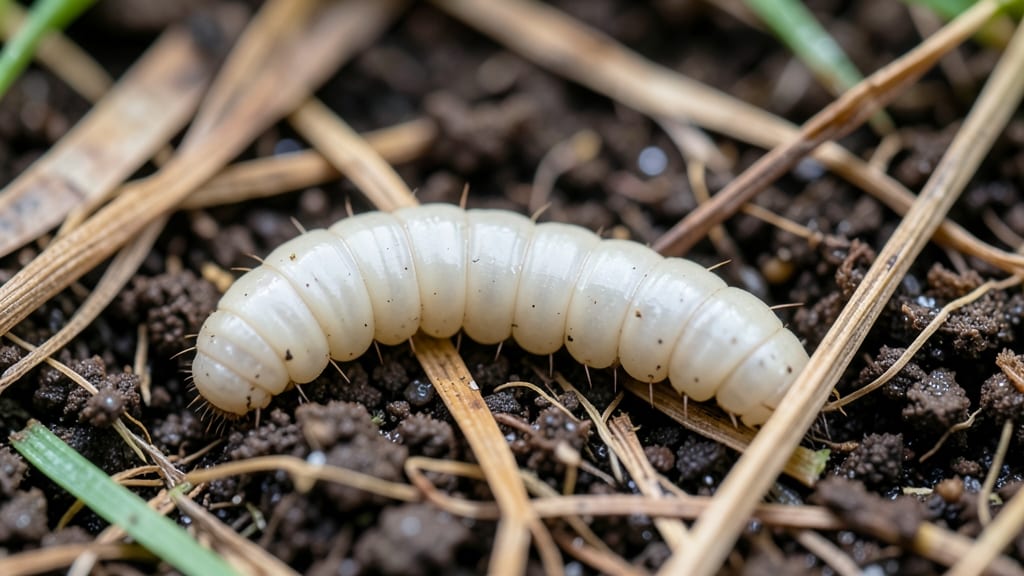
Grubs turning your lawn into a patchwork of brown? 🌱 I’ve spent years watching grubs chew through roots, and I’ve learned the fastest, most effective ways to stop them—without harsh chemicals that harm pets and kids.
The key is acting fast: grubs multiply quickly, and once they’ve done their damage, your lawn struggles to recover. My go-to method uses natural traps like beer-soaked cardboard or diatomaceous earth, which work within 48 hours to lure them out and dehydrate them. No waiting weeks for results.
You’ll see healthier grass within a week, with fewer patches and stronger roots. The best part? These methods are safe for families and pets, so you can enjoy your lawn without worry. Plus, they’re easy to repeat for prevention.
Whether you’re dealing with white grubs or Japanese beetle larvae, this approach works in any climate. Let’s get your lawn back to lush in no time—naturally.
Root Causes of Grub Infestations
Grubs—those C-shaped, creamy-white larvae of beetles—don’t just appear in your lawn overnight. Their presence is usually a sign of an underlying issue, often tied to environmental conditions, lawn health, or even human habits.
Understanding why grubs take over helps you prevent future outbreaks and tackle current ones more effectively. Let’s dig into the science behind these sneaky pests.
Grubs thrive in moist, soft soil—the kind that stays damp for long periods. Here’s why: - Excess water creates the perfect breeding ground.
Female beetles (like Japanese beetles or June bugs) lay eggs in soil that retains moisture, often after heavy rain or overwatering. - Compacted or clay-heavy soil holds water like a sponge, making it irresistible to egg-laying adults.
If your lawn feels squishy underfoot or puddles linger, you’re basically rolling out the welcome mat for grubs. - Irrigation habits matter: Frequent, shallow watering (like daily sprinklers) keeps the topsoil moist longer than deep, infrequent watering.
Grubs prefer the top 2–4 inches of soil, so a soggy surface layer is an all-you-can-eat buffet for them.
Actionable insight: If your lawn drains poorly, consider aeration or amending soil with organic matter (like compost) to improve drainage. Water deeply but less frequently—aim for 1–1.5 inches per week—to discourage egg-laying.
A thick layer of thatch (that spongy mix of dead grass, roots, and stems) or organic debris (like fallen leaves or grass clippings) acts like a grub hotel. Here’s how: - Thatch insulates soil, keeping it warm and moist—ideal for egg development.
Japanese beetle eggs, for example, hatch in 10–14 days in warm, humid conditions. - Decaying matter attracts beetles in the first place.
Female beetles seek out lawns with rich organic material to lay their eggs, as it signals fertile ground for their offspring. - Mulch buildup: If you’ve been leaving grass clippings or leaves on the lawn (rather than raking them up), you’ve created a grub paradise.
Thatch over ½ inch thick is especially risky.
Actionable insight: Dethatch your lawn in early spring or fall using a rake or dethatching machine. Remove excess organic debris, and consider vertical mowing (aerating with a slit-seeder) to break up compacted layers.
Grubs don’t appear out of thin air—they’re the offspring of adult beetles, and their life cycle is tightly linked to seasonal changes. Here’s the breakdown: - Peak beetle activity: Most lawn-damaging grubs (like Japanese beetle grubs) come from adults that emerge in late spring to early summer.
Females lay eggs in June–July, which hatch into grubs by mid-summer. - Cool-season lawns vs. warm-season lawns: - Cool-season grasses (like Kentucky bluegrass or fescue) are more susceptible because they stay green longer, providing a longer food source for grubs. - Warm-season grasses (like Bermuda or Zoysia) may see fewer grubs, but they’re still at risk if beetles are present. - Multi-year infestations: If your lawn had grubs last year, the adults that emerged could return to lay more eggs this year.
This creates a cycle of reinfection.
Actionable insight: Monitor your lawn for adult beetles in late spring/early summer. If you see swarms (especially Japanese beetles), act fast—egg-laying happens quickly. Use traps sparingly (they can attract more beetles) or opt for natural predators like birds or nematodes.
Your mowing, fertilizing, and turf care habits can unwittingly invite grubs. Here’s how: - Over-fertilizing with nitrogen: Grubs love lush, fast-growing grass. Excess nitrogen (especially quick-release fertilizers) creates a buffet for them.
Slow-release or organic fertilizers are less appealing. - Cutting grass too short: A scalped lawn (below 2–3 inches) stresses grass and makes it easier for grubs to feed on roots.
Taller grass shades the soil, drying it out and making it less hospitable. - Ignoring bare spots: Thin or patchy lawns are easy targets for beetles. They prefer to lay eggs where grass is weak, as the grubs will have less competition for food.
Actionable insight: Mow high (3–4 inches), fertilize moderately (follow soil test recommendations), and overseed bare patches to create a healthy, resilient turf that grubs find less appealing.
Some areas are grub hotspots due to:
- Warm, humid climates: States like the Midwest, Northeast, and Southeast (where Japanese beetles and June bugs thrive) see more grubs because the conditions are perfect for their life cycle.
- Mild winters: Grubs can survive over winter in warmer regions, leading to larger populations the next season.
- Urban sprawl: Lawns in suburban areas often have more organic matter (from leaves, mulch, and pet waste) than rural or heavily managed turf, making them grub magnets.
Actionable insight: If you’re in a high-risk area, proactive prevention (like nematode treatments in early summer) is key. Keep track of local pest reports to time interventions correctly.
Grubs aren’t the only ones feasting on your lawn—nature’s pest control is always at work. When these predators decline, grub populations explode: - Birds (like robins, skunks, and moles) eat grubs voraciously. A sudden influx of birds digging in your lawn?
They’re hunting grubs! - Beneficial nematodes (Heterorhabditis bacteriophora) naturally infect and kill grubs. - Ground beetles and toads also prey on grubs but need a healthy ecosystem to thrive.
Actionable insight: Encourage predators by:
- Leaving some leaf litter in garden edges.
- Avoiding broad-spectrum pesticides that kill beneficial insects.
- Planting native grasses and flowers to support predator populations.
Fixing Grub Damage Fast
Grubs wreaking havoc on your lawn? Don’t panic—these targeted solutions will help you banish them in 48 hours while keeping your grass healthy. Below, we’ve mapped the most common causes of grub infestations to practical, step-by-step fixes, plus prevention tips to stop future outbreaks.
Grubs thrive in soft, moist soil—especially after heavy watering or foot traffic. If your lawn feels spongy or yellow patches appear after rain, stress the grubs out by drying the soil temporarily.
How to do it: 🔹 Reduce watering for 3–5 days to let the top 2–3 inches of soil dry out. Grubs will move upward to escape drought. 🔹 Aerate the lawn with a core aerator (rent one if needed) to break up compacted soil, making it easier for grubs to surface. 🔹 Set up a DIY trap: Lay a cardboard box (open sides) or a thin layer of newspaper over infested areas. Grubs will crawl inside—remove and drown them in soapy water daily for 2–3 days.
✨ Pro Tip: Water deeply once a week (1–1.5 inches) instead of daily shallow watering. This discourages grubs while keeping your lawn hydrated.
If you’ve spotted Japanese beetles (the grubs’ parents) or molehills, you’re dealing with a two-pronged attack. Kill the adults to stop the cycle and trap or repel moles naturally.
How to do it: 🔹 Handpick beetles in the morning (they’re sluggish then) and drop them in soapy water. For large infestations, use neem oil spray (mix 2 tbsp neem oil + 1 tsp dish soap + 1 gallon water) to deter them. 🔹 Set mole traps: Use castor oil-based repellents (spray around the yard) or bucket traps (bury a bucket with a small platform inside—moles will dig in and get stuck). 🔹 Encourage predators: Attract birds (like robins and skunks) by leaving shallow dishes of water or planting sunflowers (their seeds attract grub-eating birds).
💡 Prevention Hack: Plant garlic, catnip, or marigolds—their strong scents repel Japanese beetles.
If your lawn looks like a lazy patchwork quilt with dead spots, grubs are likely feasting on roots. For severe cases, a combo approach works best.
How to do it: 🔹 Apply milky spore powder (a natural bacteria that targets Japanese beetle grubs). Sprinkle 1–2 tbsp per square foot over infested areas and water lightly. Results take 4–6 weeks, but it’s long-term prevention. 🔹 Use beneficial nematodes (Heterorhabditis bacteriophora). Mix 1–2 lbs per 1,000 sq ft with water and apply in the evening (they need darkness to work). Reapply in 2 weeks. 🔹 Overseed bare spots: After treating, spread high-quality grass seed and cover with straw to protect new growth from grub damage.
🌡️ Timing Matters: Apply nematodes or milky spore after dusk when grubs are near the surface and soil is moist.
If grubs are still winning, try a dual-pronged attack with diatomaceous earth (DE) and beneficial microbes.
How to do it: 🔹 Sprinkle food-grade DE lightly over the lawn (avoid breathing it in!). It dehydrates grubs within 48 hours. Reapply after rain. 🔹 Add compost tea or mycorrhizal fungi to the soil to boost grass roots, making them less appealing to grubs. 🔹 Mow high (3–4 inches) to shade the soil and reduce stress on recovering grass.
🔪 Warning: Avoid chlorinated fertilizers—they can harm beneficial nematodes and microbes.
Once you’ve kicked the grubs out, keep them from moving back in with these low-effort habits:
| Prevention Step | How to Do It | Why It Works |
|---|---|---|
| Mow regularly | Keep grass at 3–4 inches tall. | Taller grass shades soil, drying out grubs. |
| Aerate yearly | Rent a core aerator fall or spring. | Breaks up compacted soil, grubs hate it. |
| Test soil pH | Aim for 6.0–7.0 (use lime if too acidic). | Healthy soil = stronger grass roots. |
| Plant grub-resistant grass | Choose tall fescue or Kentucky bluegrass. | These varieties recover faster from damage. |
| Encourage predators | Leave leaf litter or install a birdhouse. | More birds = fewer grubs. |
Final Reminder: Grubs are most active in late summer/early fall—stay vigilant during these months! With these fixes, your lawn should bounce back in under a week, and you’ll be grub-free for good. 🚀
Frequently asked questions
How do I know if my lawn has grubs?
Look for yellowing patches that pull up easily (like sod) and reveal white, C-shaped larvae in the roots. Dig up a small section—if you find more than 3–5 grubs per square foot, you’ve got an infestation. Also watch for moles or skunks digging (they’re eating grubs too!).
Are grubs harmful to pets or kids?
Grubs themselves aren’t dangerous, but the chemical treatments often are. Avoid pesticides with chlorpyrifos or carbaryl—opt for food-grade diatomaceous earth or beneficial nematodes, which are safe once settled. Always supervise pets/kids after applying any treatment.
Can I use beer traps for grubs like I’ve heard for slugs?
Yes! Beer-soaked cardboard works great—grubs are attracted to the yeast and drown. Bury a cardboard box (open sides) filled with beer 1–2 inches deep in infested areas. Check daily for 3–5 days and replace the beer. This method is pet-safe once the trap is removed.
How long does it take to see results after treatment?
Most natural methods (like nematodes or diatomaceous earth) show results in 48–72 hours, while milky spore takes 4–6 weeks for full effect. For immediate fixes, combine aeration + beer traps—you’ll notice fewer patches within a week if the grubs are stressed out.
Will grubs come back next year if I treat them now?
Possibly! Adult beetles (like Japanese beetles) return to lay eggs, so prevention is key. After treating, aerate yearly, mow high (3–4 inches), and plant grub-resistant grasses (like tall fescue). Also, encourage predators (birds, toads) by leaving some leaf litter or installing a birdhouse.