
Lawn
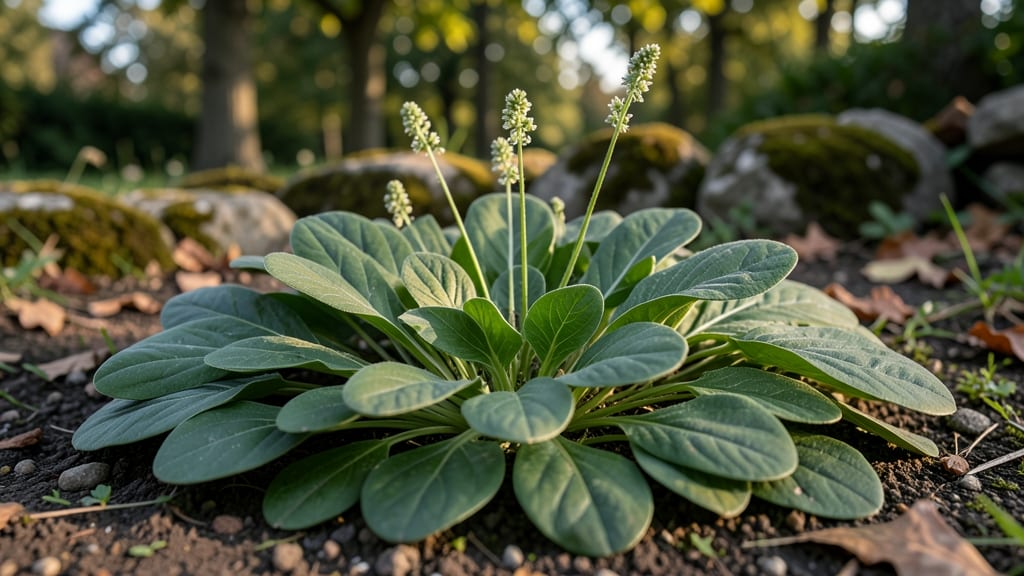
Broadleaf plantain weeds are the lawn invaders that refuse to quit—until you use this natural smothering trick. 🌱 I’ve wrestled with them for years, and the key isn’t yanking them out (they just grow back) but cutting off their sunlight completely.
This method works even on stubborn patches where chemicals fail. The secret weapon is a thick layer of cardboard or newspaper topped with mulch or compost, which blocks light while feeding your grass. Within 2-3 weeks, plantain leaves turn yellow and die off—no digging required.
The best time to tackle them is late summer to early fall, when they’re actively growing but before winter dormancy. You’ll end up with a lawn that stays green and dense, not patchy and weed-filled.
The process takes patience, but the results last—no more pulling weeds by hand or spraying harsh chemicals. Even my neighbor’s stubborn plantain gave up after two applications. Works for any lawn type, from sunny backyards to shady patches.
Here’s how to do it right without killing your grass in the process.
📚 In This Guide
- What you need
- Instructions
- Tips and common mistakes
- Wrapping up and next steps
What you need
- ● Cardboard or thick newspaper – Enough to cover the entire weed-infested area (overlap edges by 2–3 inches). Pro tip: Use uncoated cardboard or recycled paper to avoid plastic residue.
- ● Heavy-duty landscape fabric – 3–4 mm thickness, cut to match your lawn area (add 6 inches extra for securing edges).
- ● Organic mulch – 2–3 inches of wood chips, straw, or shredded leaves (cover the entire fabric layer).
- ● Staple gun & heavy-duty staples – For securing fabric edges (or use landscape staples if fabric has grommets).
- ● Shovel or spade – For trimming weeds and smoothing the ground before layering.
- ● Watering can or hose – To keep the mulch moist (critical for smothering weeds!).
- ● Gloves & knee pads – Because lawn work deserves comfort! 😉
- ● Compost or topsoil – A 1-inch layer over fabric to boost soil health before planting.
- ● Edging material – Stones, bricks, or metal edging to keep mulch in place.
- ● Weed barrier cloth with UV protection – If your area gets intense sun exposure.
- ● Natural herbicide spray – Vinegar + dish soap (for stubborn weeds before smothering).
How to create a natural smothering barrier against plantain weeds
Here's the hands-on method I use to block plantain weeds from taking over grass—no chemicals, just smart layering.
🌱 Step 1: Identify and Clear Existing Plantain Patches
Start by pulling up all visible plantain weeds by hand—grab the base where the roots meet the soil and tug firmly. You'll see the roots come out easily once you get a good grip. I like to do this in the morning when the soil is damp; the weeds pull out cleaner and less debris flies around.
Check for any remaining root fragments in the soil. Even small pieces can regrow, so dig down about 1-2 inches around the area to remove any hidden roots. This step is critical—skipping it means those fragments will sprout back within weeks.
🪴 Step 2: Prepare the Soil with a Thick Organic Layer
Spread a 4-6 inch layer of coarse mulch or shredded leaves over the cleared area. I use a mix of wood chips and straw because it breaks down slowly while blocking light. This layer smothers plantain seeds trying to germinate and prevents new weeds from establishing.
Work the edges of the mulch into the soil slightly to create a clean barrier. If you leave gaps, weeds will sneak through. For a 4-foot by 4-foot area, I use about 2 cubic feet of mulch—just enough to cover completely without piling too high.
☀️ Step 3: Install a Light-Blocking Barrier for Maximum Effect
Lay down a black landscape fabric or thick cardboard over the mulch to block all sunlight. Plantain weeds can't grow without light, and this fabric ensures they stay dormant. Secure the edges with landscape staples or rocks to keep it flat and prevent wind from shifting it.
Leave the fabric exposed for at least 6 months—this gives you enough time to kill existing roots and prevent new seeds from sprouting. Check periodically to ensure the fabric stays in place, especially after rain or strong winds.
💧 Step 4: Maintain Moisture and Monitor for Growth
Water the area lightly every 2-3 days to keep the mulch and fabric damp but not soggy. Overwatering can create anaerobic conditions that rot the mulch, while too little water lets weeds dry out and regrow. You'll know moisture is right when the top inch of mulch feels damp but not wet.
After 3-4 months, check for any new plantain growth poking through the fabric. If you spot any, pull them immediately and add more mulch or fabric as needed. This step is all about patience—consistent moisture and light deprivation will eventually kill off the weeds completely.
✂️ Step 5: Transition to Grass or Ground Cover
Once the area is weed-free (usually after 6 months), remove the fabric and mulch. The soil will be ready for new grass seed or a low-growing ground cover like clover or creeping thyme. Spread 1/4 inch of topsoil over the area first to smooth it out.
Plant your chosen grass or ground cover immediately after removing the smothering layer. Keep the area moist for the first 2 weeks to help new plants establish before weeds can move back in. This final step ensures your lawn stays plantain-free long-term.
Tips & tricks for plantain weed lawn control
These simple strategies will help you maximize your smothering barrier's effectiveness while avoiding common pitfalls that let weeds sneak back in.
Timing is Everything: In Step 1, tackle plantain removal on a damp morning—the roots pull out cleaner and you'll disturb fewer seeds than if you wait for dry conditions. I've found that working when the soil is moist reduces the chance of breaking off root fragments, which is exactly what you want to avoid. The goal is to remove every last piece, so take your time and check thoroughly.
Layering Secrets: When creating your 4-6 inch mulch layer in Step 2, mix coarse materials like wood chips with finer ones like straw. This creates air pockets that prevent compaction while still blocking light effectively. I've noticed that areas with uniform mulch thickness tend to dry out faster, so the mixed approach helps maintain consistent moisture levels.
Fabric Placement Pro Tip: For Step 3, overlap your black landscape fabric by at least 6 inches at the edges to eliminate any light gaps where weeds could grow. I learned this the hard way after seeing weeds pop up along the edges of my first attempt. Also, consider using heavier-duty fabric if your area gets frequent foot traffic—it'll last longer and stay put better.
Moisture Monitoring: In Step 4, use your finger to check moisture levels—the top inch of mulch should feel like a damp sponge, not dripping wet. I've found that using a rain gauge can help you track exactly how much water your area needs, especially if you're dealing with inconsistent rainfall patterns. This careful approach prevents both overwatering and underwatering scenarios that can fail your weed control.
Pro Tips for Plantain Lawn Weed
- These simple strategies will help you maximize your smothering barrier's effectiveness while avoiding common pitfalls that let weeds sneak back in.
- Timing is Everything: In Step 1, tackle plantain removal on a damp morning—the roots pull out cleaner and you'll disturb fewer seeds than if you wait for dry conditions.
- Layering Secrets: When creating your 4-6 inch mulch layer in Step 2, mix coarse materials like wood chips with finer ones like straw.
Frequently asked questions
Got questions about tackling plantain lawn weeds? You’re not alone—this stubborn weed can be tricky! Below, we’ve rounded up the most common questions and straightforward answers to help you reclaim your lawn without breaking a sweat.
How do I tell if my lawn has plantain weeds?
Plantain weeds have long, narrow leaves with parallel veins and a rosette shape close to the ground. They often appear in patches, especially in thin or bare spots. Look for their distinctive white, fibrous roots when pulled—if it looks like a tiny onion, it’s plantain!
When is the best time to smother plantain weeds?
Timing is key! Start smothering in early spring or late summer when weeds are actively growing but before they seed. Avoid smothering in peak summer heat—it can stress your lawn more than the weeds. Consistency matters: check progress every 2–3 weeks and reapply the barrier if needed.
Can I use cardboard or newspaper as a smothering barrier?
Both work well, but cardboard is slightly better because it breaks down slower and blocks more light. Just wet the material first to prevent it from blowing away, then cover with 2–3 inches of mulch or topsoil. Avoid colored or glossy paper—it can leach chemicals into your soil.
What if the weeds keep coming back after smothering?
Patience is crucial—it can take 4–6 weeks to fully kill plantain weeds. If they persist, check for gaps in your barrier (like sunlight peeking through) or thin mulch. For stubborn spots, spot-treat with a natural vinegar solution (1 part vinegar, 1 part water + a drop of dish soap) and re-smother.
Will smothering harm my grass or other plants nearby?
Not if done right! Smothering targets weeds by blocking sunlight, so keep the barrier away from grass edges (at least 6 inches). For delicate plants, use a selective approach: place the barrier only over weed-heavy areas and leave grassy patches uncovered. Water lightly after applying to help the soil settle.
Wrapping up and next steps
Dealing with plantain lawn weeds doesn’t have to be a battle—just a strategic smother!
By using natural barriers like cardboard, mulch, or thick layers of newspaper, you’re not just removing weeds; you’re reclaiming your lawn’s health without harsh chemicals. 🌱 The key is patience and consistency, but the payoff—a lush, weed-free yard—is totally worth it.
Ready to take action? Start small—test a section of your lawn with the smothering method, then expand as you see results. Your dream lawn is just a few layers away! 💪