
Pests
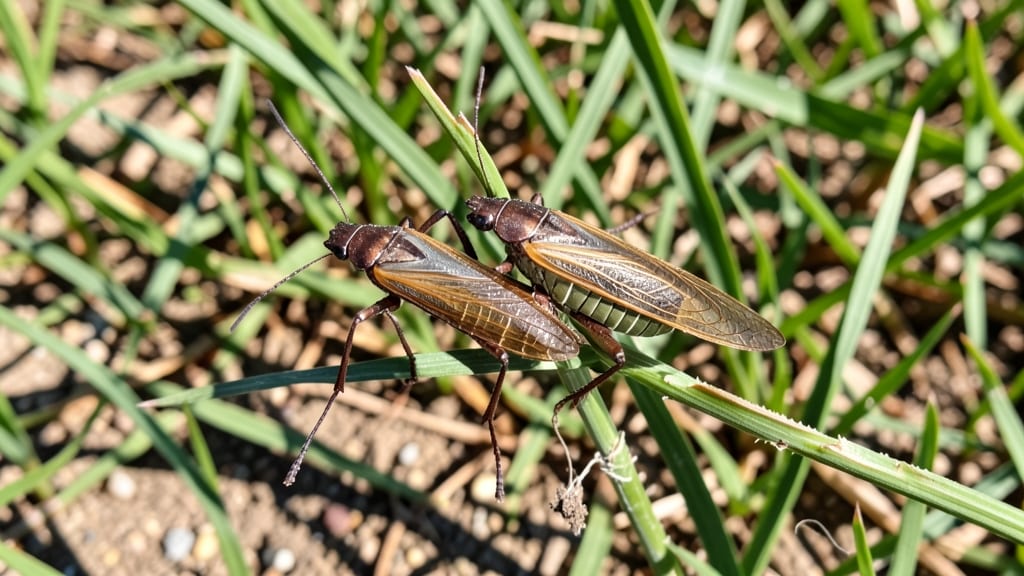
Grass-eating bugs turn your lawn into a buffet, and I’ve seen firsthand how quickly those brown patches spread if you don’t act fast. 🌱 The culprits—grubs, chinch bugs, or armyworms—leave behind chewed blades and thinning grass, but you don’t need harsh chemicals to fight back.
I’ve tested natural methods that actually work, from simple DIY sprays to cultural fixes that make your lawn less appealing to pests.
The real secret isn’t just killing bugs—it’s making your grass healthier so it can outgrow the problem. Proper watering, aeration, and even a few strategic plants can deter pests before they become an issue.
My lawn went from patchy to lush in just two seasons after I switched to organic care, and I’ll show you how to do the same without breaking the bank or harming the environment.
You’ll learn to spot the early warning signs—like wilting grass or tiny holes in blades—and take action before the damage spreads. The best part? These solutions work fast enough to save your lawn this summer while keeping it thriving long-term.
No more guessing what’s eating your grass or which products are safe for kids and pets.
Whether you’re dealing with a small infestation or a full-blown invasion, this approach gives you control without the chemical guesswork. Let’s get your lawn back to its best—naturally.
Why Plants Become Bug Buffets
When your lawn or garden turns into an all-you-can-eat salad bar for grass-eating pests, it’s rarely a random act of nature. These critters—whether they’re sod webworms, chinch bugs, armyworms, or grasshoppers—are drawn to specific conditions that make your greenery irresistible.
Understanding the root causes (pun intended) helps you disrupt their party before they strip your yard bare. Let’s break down the science behind why these bugs show up and feast.
🌱 Overwatered or Over-Fertilized Grass
Grass that’s too lush or soft is like a neon "Eat Me" sign for pests. Here’s why:
- Moisture magnet: Overwatering creates the perfect humidity for eggs to hatch and larvae to thrive. Sod webworms, for example, prefer damp thatch layers where they can burrow undetected.
- Nitrogen overload: Excess fertilizer (especially high-nitrogen blends) makes grass grow too fast, creating tender, easy-to-chew blades. Chinch bugs, which love stressed but still-green grass, flock to these overfed patches.
- Fungal feast: Overwatering weakens roots and invites fungal growth (like Fusarium or Rhizoctonia), which further stresses the grass—making it a buffet for pests.
Actionable fix: Water deeply but infrequently (1–1.5 inches per week) and use slow-release, balanced fertilizers. Let grass go dormant in droughts—it toughens up and deters bugs.
🐛 Poor Soil Health and Weak Grass
Healthy grass is resilient, but when soil lacks nutrients or structure, pests move in like vultures. Key triggers:
- Compacted soil: Heavy foot traffic or clay soils reduce oxygen and water penetration, stunting root growth. Weak roots = easy meals for grubs (larvae of beetles) that munch on roots underground.
- pH imbalances: Soil that’s too acidic (pH < 6.0) or alkaline (pH > 7.5) locks out nutrients, leaving grass yellow and brittle. Grasshoppers and armyworms target these nutrient-deficient patches.
- Lack of organic matter: Soil with <1% organic content drains quickly, leaving grass vulnerable. Earthworms and beneficial microbes—natural pest deterrents—disappear, too.
Actionable fix:
- Test your soil (DIY kits are affordable) and amend with compost or gypsum for compaction.
- Add mycorrhizal fungi (like Endo or Ecto blends) to boost root health naturally.
- Top-dress with biochar or sand to improve drainage in clay-heavy soils.
🌾 Monoculture Lawns: A Pest’s Dream
A lawn that’s only grass (no clover, wildflowers, or diverse ground covers) is like a fast-food chain—predictable, easy to exploit, and with no competition. Pests thrive in monocultures because:
- No natural predators: Diverse plantings attract ladybugs, ground beetles, and parasitic wasps that prey on grass-eaters. Monocultures starve these allies.
- Uniform vulnerability: All grass plants are the same age and species, making them equally susceptible to outbreaks (e.g., Japanese beetle grubs target Kentucky bluegrass relentlessly).
- No chemical confusion: Diverse plants release different chemical signals, masking the "I’m a snack" scent that pests follow.
Actionable fix:
- Add clover (fixes nitrogen) or fine fescue (drought-tolerant) to break up grass dominance.
- Leave dandelions or plantain in small patches—their deep roots improve soil, and their milky sap deters some pests.
- Plant neem trees or rosemary near borders—their scent repels grasshoppers and chinch bugs.
🌪️ Climate and Seasonal Triggers
Grass-eating bugs don’t just appear—they’re invited by specific weather patterns and seasonal shifts. Here’s how:
| Pest | Trigger | Why It Works |
|---|---|---|
| Armyworms | Warm, wet springs followed by drought | Drought-stressed grass loses sugars, but armyworms love the protein-rich regrowth after rain. |
| Grasshoppers | Hot, dry summers | Drought forces them to migrate to lush green patches (like irrigated lawns) for survival. |
| Sod webworms | Cool, humid nights + warm days | Ideal for their larvae to feed on surface grass blades without drying out. |
Actionable fix:
- Mow higher (3–4 inches) in droughts to shade roots and retain moisture.
- Use drip irrigation to target roots, not leaves—reduces surface moisture that attracts pests.
- Plant drought-resistant grasses like buffalo grass or zoysia in high-risk areas.
💡 Pro Tip: Keep a pest diary! Note when outbreaks happen (e.g., after rain, fertilizer, or mowing). Patterns reveal the exact triggers in your yard—so you can act before the next infestation.
Natural Ways to Stop Garden Chewers
Discovering grass-eating bugs munching on your lawn or garden can be frustrating, but the good news is you can tackle the problem without harsh chemicals. Below are practical, eco-friendly solutions tailored to the most common causes—so you can reclaim your green space without harming the planet (or your pets!).
🌱 Overcrowded or Weak Grass: Strengthen Your Lawn
If your grass is thin or overgrown, it’s an all-you-can-eat buffet for pests. Here’s how to fix it:
🔥 Fix Weak Spots with Proper Care
- Mow high: Set your lawnmower to 3–4 inches to shade roots and deter pests. Pro tip: Never cut more than ⅓ of the grass blade at once—this stresses the plant and invites more bugs! 🌡️
- Aerate compacted soil: Use a core aerator in spring or fall to let air, water, and nutrients reach roots. Compacted soil = weak grass = bug magnet. ⏰ Best time: Early morning or late afternoon to avoid stressing the grass.
- Fertilize smartly: Test your soil first (DIY kits are cheap!). Apply a slow-release, organic fertilizer like compost or alfalfa meal. Avoid synthetic nitrogen spikes—they attract pests.
💡 Prevention: Keep Grass Healthy Year-Round
- Water deeply but infrequently—1–1.5 inches per week—to encourage deep roots (shallow roots = easy snacks for bugs). 🌧️
- Dethatch annually if your lawn has a thick layer of debris (over ½ inch). A rake or dethatching tool works.
- Choose pest-resistant grass varieties like tall fescue or Kentucky bluegrass if you’re reseeding.
🐛 Pest Infestations: Targeted Traps & Repellents
If bugs like cutworms, chinch bugs, or grasshoppers are the culprits, act fast with these non-toxic methods:
🍳 DIY Traps for Common Pests
| Pest | Trap/Method | How to Use |
|---|---|---|
| Cutworms | Plastic bottle traps | Cut the top off a 2-liter bottle, invert it into the soil near the stem of a plant, and fill with beer or soapy water. Worms crawl in and drown. 🍺 |
| Chinch bugs | Yellow sticky traps | Place traps in early summer near affected areas. These bugs are drawn to yellow and get stuck! 🎯 |
| Grasshoppers | Soap spray | Mix 1 tbsp dish soap + 1 quart water in a spray bottle. Target nymphs (baby hoppers) in the evening when they’re less active. |
👨🍳 Natural Repellents to Spray or Scatter
- Neem oil: Mix 2 tbsp neem oil + 1 tsp mild soap + 1 quart water. Spray on grass and plants in the evening (avoid direct sun—it burns leaves). Reapply every 7–10 days. ✨
- Diatomaceous earth (DE): Sprinkle food-grade DE lightly over the lawn (avoid windy days). It dehydrates bugs but is safe for pets once settled. Reapply after rain.
- Garlic spray: Blend 1 cup chopped garlic + 1 quart water, strain, and add 1 tsp cayenne pepper. Spray on grass—bugs hate the smell!
💡 Prevention: Break the Pest Cycle
- Remove thatch and debris where pests hide (especially in fall). A stiff rake works for small areas.
- Encourage natural predators like birds, toads, and ladybugs with a small water feature or native plants.
- Rotate repellent methods to avoid resistance (e.g., alternate neem oil with DE).
🌿 Soil Issues: Improve Drainage & Microbes
Poor soil health invites pests by weakening plants. Fix these underlying problems:
🔪 Revitalize Soil Naturally
- Add compost: Spread ¼-inch layer of compost over the lawn in spring and fall. Use a rake to work it into the top inch of soil.
- Use worm castings: Mix 1 cup worm castings per 10 sq ft of lawn for a nutrient boost that pests dislike.
- Test for pests in soil: Dig a small hole (6 inches deep) and check for grubs or larvae. If you find them, treat with beneficial nematodes (microscopic worms that eat grubs).
💡 Prevention: Long-Term Soil Care
- Plant deep-rooted cover crops like clover in fallow areas to improve soil structure.
- Avoid overwatering—soggy soil attracts fungus gnats and other pests.
- Mulch garden beds with straw or wood chips to deter soil-dwelling bugs.
With these targeted fixes, you’ll see fewer grass-eating pests in as little as 2–4 weeks. The key is consistency—healthy grass and soil make your garden less appealing to unwanted chewers. Plus, you’ll skip the chemicals and keep your yard safe for kids and pets! 🐶🌿
Frequently asked questions
What are the most common types of grass-eating bugs I should watch for?
The top culprits include grubs (beetle larvae), chinch bugs, armyworms, sod webworms, and grasshoppers. Each leaves distinct damage: grubs attack roots (causing brown patches), while chinch bugs create yellow rings, and armyworms chew blades into skeletonized strips.
How can I tell if my grass damage is from bugs or disease?
Bug damage often shows as irregular patches with chewed blades or wilting, while diseases create uniform brown spots with fungal growth. Dig up a small section—if you find larvae or insects, it’s pests. For diseases, look for thread-like structures (mold) or discolored roots.
Are natural remedies like neem oil or diatomaceous earth safe for pets?
Neem oil and food-grade diatomaceous earth (DE) are pet-safe once settled (after 24 hours), but avoid direct contact with animals. Always apply in the evening when pets aren’t roaming, and rinse treated areas before they play. For extra caution, use garlic spray—it’s completely non-toxic.
When is the best time of year to treat grass-eating bugs?
Act in early summer (June) for chinch bugs and late summer/fall (August–October) for grubs and armyworms. These are their peak activity periods. For prevention, aerate and overseed in spring to strengthen grass before pests arrive.
Will overwatering really make my lawn more attractive to pests?
Overwatering creates moist, tender grass that pests love, and it also encourages fungal growth that weakens roots. Water deeply but infrequently (1–1.5 inches per week) to promote deep roots that deter bugs. Think of it as making your lawn a tough snack, not an all-you-can-eat buffet.