
Lawn
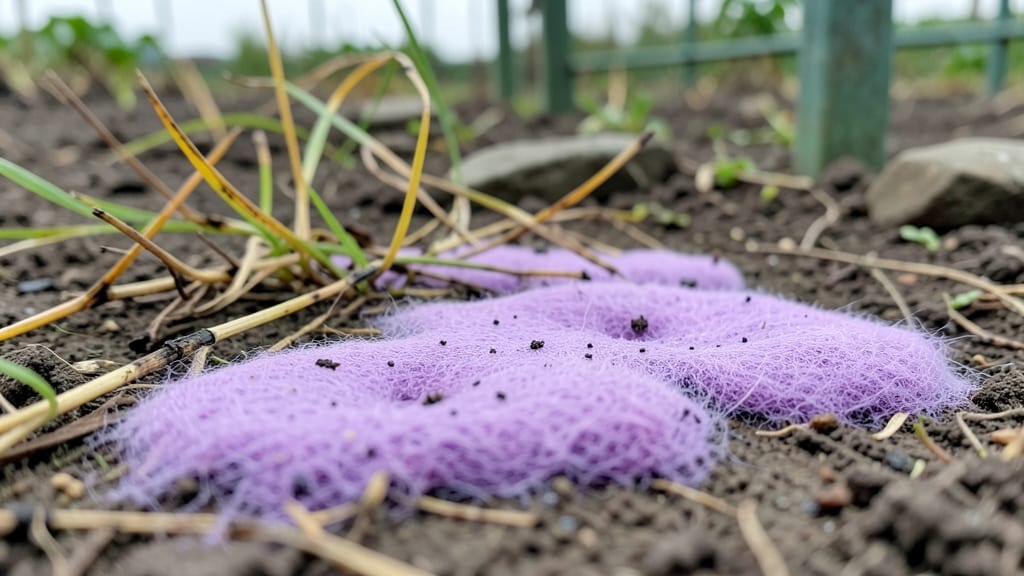
That purple lawn fungus spreading like a velvet stain across your grass isn’t just ugly—it’s a cry for help from your lawn. 🌱 I’ve fought Fusarium patch and red thread myself, and I learned the hard way that ignoring it only makes it worse.
The good news? You don’t need harsh chemicals to fight back—just the right approach to starve the fungus and strengthen your grass.
Most purple lawn fungus thrives when your lawn is stressed—too much shade, poor drainage, or overwatering. I’ve seen it spread like wildfire after just one weekend of heavy rain if the soil doesn’t dry out fast enough.
The key is cutting off its food source (thosechoking grass blades) while giving your lawn the care it craves: sunlight, proper watering, and a sharp mower blade.
Within two weeks of proper treatment, you’ll see new green shoots pushing through the purple mess. The secret? A combination of fungal-resistant grass seed, adjusted watering schedules, and occasional organic treatments like cornmeal or hydrogen peroxide. No more toxic sprays—just healthier grass that fights back naturally.
Works for both cool-season and warm-season lawns, though timing matters. Spring and fall are your best shots for prevention, but if you’re dealing with an active outbreak, act fast. Here’s exactly how to turn that purple nightmare into lush green again.
Root Causes Of Lawn Fungus Spread
Purple lawn fungus isn’t just an eyesore—it’s a sign your grass is under stress. Understanding the why behind its appearance is the first step to stopping it naturally. Below, we break down the key factors that create the perfect conditions for this fungal takeover.
🌱 Overwatered or Poorly Drained Soil
Fungi thrive in wet, oxygen-deprived environments. If your lawn stays soggy for long periods—whether from overwatering, heavy rainfall, or compacted soil—you’re essentially creating a fungal buffet. Purple lawn fungus, often caused by Microdochium nivale or Typhula incarnata, spreads rapidly in these conditions.
- Why it happens: Excess moisture softens grass blades, making them easier for fungal spores to penetrate. Poor drainage also traps water at the soil surface, where fungi feed on decaying organic matter.
- Actionable fix:
- Water deeply but infrequently—aim for 1 inch per week (including rain).
- Test soil drainage: Dig a 6-inch hole, fill it with water, and time how long it takes to drain. If it’s slower than 6 hours, amend with compost or sand.
- Avoid walking on wet grass to prevent compaction.
☀️ Extreme Temperature Swings
Fungal growth surges when temperatures drop suddenly after a warm spell—especially in spring and fall. Purple patch fungus, for example, loves 50–65°F (10–18°C) nights with high humidity. If your lawn doesn’t have time to dry out between rain showers or morning dew, spores take hold fast.
- Why it happens: Cool, damp conditions slow grass metabolism, weakening its defenses while fungi become hyperactive. Mowing wet grass also stresses blades, making them vulnerable.
- Actionable fix:
- Mow high (3–4 inches) in cool seasons to shade soil and reduce evaporation.
- Rake up dew-soaked clippings to speed up drying.
- Choose drought-tolerant grass varieties (like tall fescue or Kentucky bluegrass) if your climate swings wildly.
🌿 Excess Nitrogen or Improper Fertilizing
Too much nitrogen—especially quick-release types—can feed fungi more than your grass. While nitrogen promotes growth, an imbalance (like a high N-P-K ratio) creates weak, sugary stems that fungi devour. Even organic fertilizers (like manure) can overdo it if overapplied.
- Why it happens: Fungi break down organic matter, and excess nitrogen accelerates decay. A C:N ratio (carbon to nitrogen) that’s too low starves beneficial microbes, letting pathogens dominate.
- Actionable fix:
- Use slow-release fertilizers (like sulfur-coated urea) and apply in small doses (½ lb N per 1,000 sq ft, 2–3 times/year).
- Test soil pH—fungi prefer acidic soil (pH < 6.0). Adjust with lime if needed.
- Avoid fertilizing in fall (unless using winterizer formulas), as cool weather boosts fungal activity.
🪰 Thatch Buildup or Dead Grass Debris
A thatch layer thicker than ½ inch traps moisture, blocks airflow, and creates a fungal hideout. Dead grass clippings, leaves, or even dethatched roots from core aeration can also harbor spores, especially if left on the lawn.
- Why it happens: Thatch acts as a fungal blanket, shielding spores from sunlight and fungicides. Decomposing organic matter in thick thatch releases ammonia, which further stresses grass.
- Actionable fix:
- Dethatch only if necessary (use a rake or vertical mower in early spring when soil is moist).
- Remove all leaf litter and clippings after mowing (bag them or compost away from the lawn).
- Apply compost topdressing (¼ inch) to encourage beneficial microbes that outcompete fungi.
🐛 Pest Damage or Weakened Grass
Grubs, chinch bugs, or even disease-stressed grass create entry points for fungi. When pests chew roots or insects inject toxins, the lawn’s immune system collapses, leaving it wide open for purple fungus to move in.
- Why it happens: Damaged roots reduce water/nutrient uptake, making grass yellow or spongy—a fungal magnet. Some pests, like leatherjackets, also carry fungal spores.
- Actionable fix:
- Inspect for pests: Dig up a 6-inch square of turf. If you see white grubs or wireworms, treat with beneficial nematodes or milky spore (organic options).
- Overseed bare patches with disease-resistant varieties (e.g., creeping red fescue).
- Apply compost tea to boost grass resilience naturally.
Pro Tip: 💡 Most purple lawn fungus issues stem from one or more of these factors working together. Start with drainage and watering habits—they’re the easiest to fix and often the root cause!
Quick Fixes for Unwanted Lawn Fungus
Discovering purple patches creeping across your lawn can feel like a nightmare—but don’t panic! With the right approach, you can restore your grass to its lush, green glory without harsh chemicals.
Below, we’ve mapped out targeted solutions based on the most common causes of purple lawn fungus, along with practical prevention tips to keep it from returning.
🔥 Overwatering or Poor Drainage? Drain & Dry It Out
If your lawn stays soggy for too long, fungus thrives in the damp, dark conditions. Here’s how to fix it:
✅ Step 1: Improve Drainage (👨🍳🔪)
- Aerate the soil (rent a core aerator or use a manual spike aerator) to break up compacted earth and let water drain faster.
- Rake out thatch (the layer of dead grass and debris) to prevent moisture buildup at the roots.
- Check your sprinklers—are they watering evenly? Adjust the heads so water spreads uniformly.
✅ Step 2: Water Wisely (💡⏰)
- Water deeply but less often: Aim for 1–1.5 inches per week, including rainfall. Use a rain gauge to track.
- Water in the morning (before 10 AM) to give grass blades time to dry, reducing fungal growth.
- Avoid puddles: If water pools for more than 24 hours, you’ve got a drainage issue—fix it with sand or a French drain.
💡 Pro Tip:
Test your soil’s drainage with a simple DIY trick: Dig a 12-inch hole, fill it with water, and time how long it takes to drain. If it’s slower than 4 hours, your lawn needs help moving moisture.
🍳 Compacted Soil or Thatch Buildup? Loosen & Refresh
Thick thatch or compacted soil smothers grass roots, creating the perfect fungal buffet. Break it up with these steps:
✅ Step 1: Dethatch & Aerate (🔪🌱)
- Dethatch with a rake or dethatching machine (set to ½ inch depth max—you don’t want to scalp your lawn!).
- Aerate in the fall (ideal season) or spring to let air, water, and nutrients reach the roots.
✅ Step 2: Top-Dress with Organic Matter (🌿)
- Spread a ¼-inch layer of compost or sand over the lawn after aerating. This improves soil structure and encourages healthy root growth.
- Lightly rake it in so it mixes with the topsoil.
💡 Pro Tip:
If your lawn is mostly bare in spots, overseed after aerating. Choose a fungus-resistant grass variety (like tall fescue or Kentucky bluegrass) for long-term protection.
🥘 Nutrient Deficiencies or pH Imbalance? Test & Adjust
Purple lawns often signal stress from poor nutrition or unbalanced soil. Fix it with a two-step approach:
✅ Step 1: Test Your Soil (📊🌡️)
- Grab a DIY soil test kit (or send a sample to your local extension office) to check pH and nutrient levels.
- Ideal pH for grass: 6.0–7.0. If it’s off, you’ll need to adjust it.
✅ Step 2: Fertilize Smartly (💪)
- For low nitrogen (purple/reddish grass): Apply a slow-release nitrogen fertilizer (like 20-0-5) in early spring or fall.
- For high pH (alkaline soil): Mix in sulfur or peat moss to lower pH gradually.
- For low pH (acidic soil): Sprinkle lime (calcium carbonate) based on test recommendations.
💡 Pro Tip:
Over-fertilizing can worsen fungus problems! Follow the 3-1-1 rule: Apply fertilizer in early spring, summer, and fall—never in hot, dry weather.
🍄 Fungal Infection Already Spread? Natural Remedies
If purple spots persist, it’s likely a fungal issue. Fight back with these non-toxic solutions:
✅ Step 1: Remove Affected Grass (🧹)
- Cut infected areas short (but don’t remove entirely—this can spread spores).
- Bag and dispose of clippings (don’t compost them—they may reinfect your lawn).
✅ Step 2: Apply Fungicide Alternatives (🌿)
- Baking soda spray: Mix 1 tbsp baking soda + 1 gallon water + a few drops of dish soap. Spray on dry grass in the morning.
- Neem oil: A natural fungicide that disrupts fungal growth. Spray every 7–10 days until the problem clears.
- Hydrogen peroxide (3%): Dilute 1 part peroxide to 16 parts water and spray on affected areas (test a small patch first).
✅ Step 3: Boost Lawn Health (🌱)
- Mow high (3–4 inches) to shade out fungus and strengthen grass.
- Water deeply but infrequently to avoid keeping blades wet.
- Avoid foot traffic on infected areas until they recover.
💡 Pro Tip:
For stubborn cases, try a cornmeal fungicide (organic and effective against many lawn fungi). Sprinkle it lightly over the lawn after mowing.
✨ Prevention Tips to Keep Fungus Away
Once your lawn is back in shape, keep it fungus-free with these easy maintenance habits:
- Mow regularly (never remove more than ⅓ of the blade height at once).
- Rake up leaves and debris—they trap moisture and spores.
- Improve airflow by spacing plants and avoiding thick mulch layers.
- Choose resistant grass types (e.g., fine fescue for shade, Bermuda for heat).
- Monitor soil moisture—never let it stay waterlogged for more than 24 hours.
With these fixes, your lawn should bounce back in 2–4 weeks. Stay consistent, and those purple patches will be a distant memory! 🌿✨
Frequently asked questions
Is purple lawn fungus contagious to other lawns?
Yes, fungal spores can spread through water, wind, or even lawn equipment. If your neighbors have similar issues, avoid sharing mowers or rakes. The spores can travel up to 10 feet in ideal conditions, so quarantine infected areas until treatment works.
How long does it take for natural remedies to work?
Most organic treatments like neem oil or baking soda show results in 7-14 days with consistent application. For severe cases, combine remedies with proper watering adjustments—results may take 3-4 weeks for full recovery.
Can I still use my lawn while treating purple fungus?
Limit foot traffic on infected areas to prevent spreading spores. If you must use the space, avoid walking when grass is wet. For kids/pets, redirect them to treated zones until the purple patches disappear completely.
Why does my lawn keep getting purple fungus every spring?
Spring's cool, damp conditions create perfect fungal growth environments. The issue likely stems from poor drainage or overwatering during winter. Fix underlying problems first—like aerating or adjusting your irrigation schedule—before applying treatments.
When should I call a professional instead of DIY?
Consult an expert if 50%+ of your lawn is infected, the fungus keeps returning after treatments, or you suspect soil-borne pathogens. A pro can test for specific fungi and recommend targeted solutions beyond general lawn care.