
Lawn
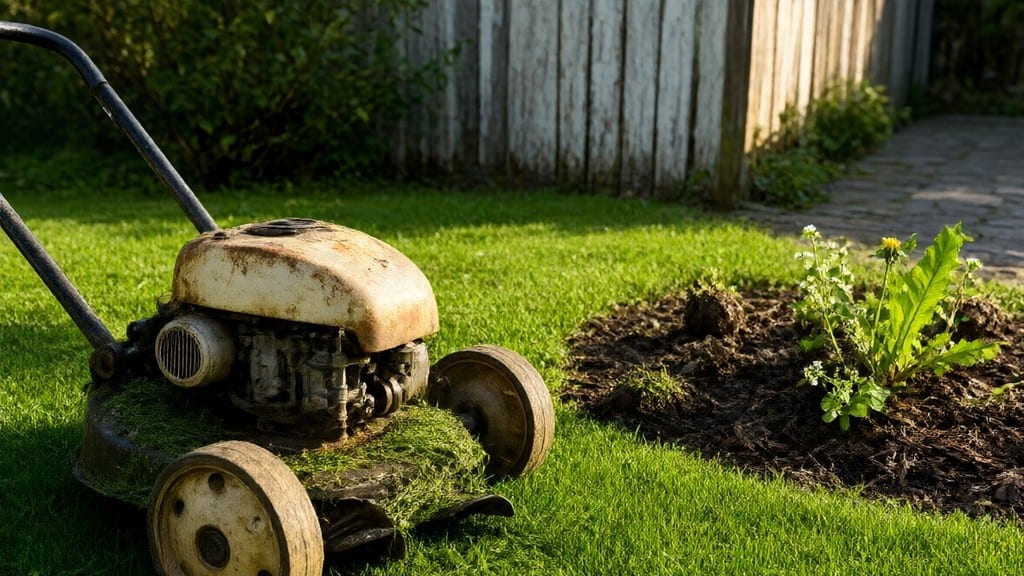
Cutting grass too short might seem like the fastest route to a perfect lawn, but it’s actually a recipe for disaster—unless you know the tricks to keep it lush without the damage.
I’ve turned my own patchy, scalped lawn into a thick, vibrant carpet by adjusting my mowing habits, and the difference is shocking.
The problem starts when blades get too short, exposing roots and inviting weeds. Most people don’t realize their mower height matters more than how often they cut.
For cool-season grasses, aim for 3 to 4 inches in summer and 2.5 to 3 inches in cooler months—shorter cuts stress the grass and leave it vulnerable to drought and pests.
A dull blade tears grass instead of cutting cleanly, so sharpening yours every 20-30 hours of use makes all the difference.
Reviving a scalped lawn takes patience, but it’s possible. First, raise your mower height immediately and stop cutting for 2-3 weeks to let the grass recover. Water deeply 1-2 times per week (early morning is best) and avoid heavy foot traffic.
Within a month, you’ll see new growth pushing through, and your lawn will bounce back thicker than ever.
Not all grasses handle short cuts well—tall fescue and Kentucky bluegrass recover better than Bermuda or zoysia. If you’re determined to keep grass short, stick to cool-season varieties and adjust your mowing schedule to never remove more than ⅓ of the blade height at once.
The key is balance: short enough to look perfect, but not so short it struggles to survive.
The Hidden Triggers Behind Short Grass
Your lawn’s lush, low-cut appearance isn’t just luck—it’s the result of specific environmental and human factors working in tandem. Understanding these triggers helps you replicate that perfectly manicured look year-round without overworking your lawnmower (or your patience). Here’s why grass sometimes gets cut shorter than expected—and how to control it.
🌱 Overzealous mowing habits
If your grass consistently looks shorter than intended, the culprit is often you. Even experienced lawn care pros sometimes misjudge blade height, especially when:
- Adjusting mower settings incorrectly: Many mowers have height settings labeled in notches or inches, but misalignment (e.g., a bent deck or worn blades) can shave off extra fractions of an inch. Pro tip: Measure your grass height with a ruler after mowing to calibrate accurately.
- Mowing too frequently: Cutting grass more than once a week (especially in rapid growth seasons) stresses the blades, leading to stunted regrowth and a perpetually short appearance. Science note: Grass blades grow from the base; over-trimming weakens the crown, reducing future height.
- Using dull blades: A dull mower blade tears grass instead of cleanly cutting it, creating jagged ends that look shorter and recover poorly. Fix: Sharpen blades every 25–50 hours of use (or when you notice white streaks on the grass).
🌡️ Climate and seasonal growth cycles
Grass isn’t a static plant—it reacts to temperature, sunlight, and moisture. These factors can make your lawn naturally shorter without you touching the mower:
| Season | Why Grass Shrinks | Actionable Fix |
|---|---|---|
| 🔥 Summer Heat | Drought stress causes blades to curl and compact, making them appear shorter. Science: Water loss triggers osmotic adjustments in cells, reducing turgor pressure (the "plumpness" of grass). | Water deeply 2–3x/week (1–1.5 inches per session) and raise mower height to 3–4 inches to shade soil and retain moisture. |
| ❄️ Winter Dormancy | Cool-season grasses (like Kentucky bluegrass) grow slower in winter, while warm-season types (like Bermuda) go dormant. Both result in a stubbly, uneven look. | Leave grass taller (3–4 inches) in fall for insulation, or overseed with winter-friendly varieties like ryegrass. |
| 🌧️ Heavy Rain or Flooding | Excess water drowns roots, weakening growth. Fun fact: Grass blades can physically bend under rain’s force, creating a "flattened" look. | Drain soggy areas, aerate compacted soil, and avoid mowing until grass is 50% dry. |
🐜 Soil and pest interference
What’s under your lawn affects what’s above it. Poor soil health or pests can stunt grass growth, making it naturally shorter:
- Compacted soil: Heavy foot traffic, machinery, or clay-heavy soil crushes roots, reducing nutrient uptake. Result: Grass grows shorter and weaker. Fix: Aerate annually (especially in spring/fall) to improve airflow.
- Grubs or chinch bugs: These pests eat roots, causing brown patches and stunted growth. Sign: Grass pulls up easily like a "sod mat." Solution: Apply beneficial nematodes or insecticidal soap in early summer.
- Fungal diseases (e.g., brown patch):strong> Fungi thrive in hot, humid conditions, creating thin, short grass in circular patterns. Prevent: Improve drainage and mow at higher settings (3–4 inches) to reduce stress.
🔧 Equipment malfunctions
Your mower might be sabotaging your perfect lawn without you realizing it. Common mechanical issues that shorten grass unexpectedly:
- Worn or bent deck: A warped mower deck can drag grass lower than the set height. Test: Place a straightedge along the deck—if it’s not level, adjust or replace it.
- Clogged or dull underside: Grass clippings or debris accumulate under the deck, acting like a mini-blade that shaves extra height. Fix: Clean the deck monthly with a wire brush.
- Incorrect wheel alignment: If the rear wheels are too low, the deck tilts forward, cutting grass shorter at the front. Solution: Adjust wheel height or replace worn suspension parts.
Key takeaway: Short grass is rarely just about mowing—it’s a chain reaction of habits, climate, soil, and equipment. By targeting these root causes, you’ll achieve that effortlessly manicured look without the backbreaking work. 🌿✨
Quick Fixes for a Tidy, Low-Maintenance Lawn
If your lawn is looking patchy, overgrown, or just needs a refresh without the hassle of constant mowing, here’s how to tackle the problem—whether it’s due to poor mowing habits, seasonal stress, or underlying lawn health issues.
These solutions are practical, budget-friendly, and designed to keep your grass lush and short all year long.
🔥 Fix Overgrown Grass in a Flash
If your grass has been left too long and now feels like a jungle, don’t panic. A strategic reset can bring it back to perfection in just a few steps.
🔪 Step 1: Adjust Your Mower Height
- Why it works: Cutting grass too short stresses it, while leaving it too long invites weeds and pests. Set your mower blade to the highest setting (usually 3–4 inches) for the first trim.
- Pro tip: ✨ Never remove more than one-third of the grass blade at once—this prevents shock and promotes recovery.
🌱 Step 2: Gradual Trimming for Recovery
- How to do it: Mow in stages over 2–3 days, lowering the blade incrementally (e.g., 3.5" → 3" → 2.5") until you reach your desired height.
- Bonus: 💡 Use a mulching mower to recycle clippings back into the soil—this adds free nutrients and reduces waste.
🚿 Step 3: Deep Watering After Mowing
- Why it matters: Grass roots need moisture to bounce back. Water deeply (1–1.5 inches) 2–3 times per week, especially in hot or dry spells.
- Prevention tip: 🌡️ Early morning watering (before 10 AM) minimizes evaporation and fungal risks.
🍳 Prevent Weeds & Patchiness for Good
Weeds and bare spots thrive when grass is weak or uneven. Here’s how to crowd them out naturally.
🌱 Overseed thin or bald spots
- When to do it: Early fall or spring, when temperatures are mild (60–75°F).
- How to do it:
- Rake out debris and loosen soil in bare areas.
- Spread high-quality grass seed (match it to your existing grass type).
- Lightly cover with soil and water gently to keep seeds moist for 10–14 days.
- Pro tip: 🎯 Use a starter fertilizer to give new seedlings a nutrient boost.
🌿 Apply pre-emergent weed control
- Best for: Preventing crabgrass and other annual weeds before they sprout.
- How to apply:
- Spread pre-emergent herbicide in early spring (when soil temps hit 55°F).
- Water lightly to activate it.
- Reapply in late summer for fall weeds.
- Warning: ⚠️ Avoid pre-emergents if you’re overseeding—wait 8–10 weeks after application.
💪 Strengthen grass with fertilizer
- Why it works: Healthy grass outcompetes weeds. Use a slow-release, balanced fertilizer (16-4-8 or similar) in early spring and fall.
- Application tip: 📊 Follow the label rates—over-fertilizing can burn grass and harm the environment.
⏰ Long-Term Strategies for Effortless Maintenance
Skip the weekly mowing grind with these time-saving hacks.
🌿 Choose drought-tolerant grass types
- Best options for low-maintenance lawns:
- Bermuda grass (heat-loving, stays green in drought).
- Zoysia grass (slow-growing, resilient, goes dormant in winter).
- Fescue or Kentucky bluegrass (cool-season, stays green in mild winters).
- Planting tip: 🌱 If starting fresh, test your soil (pH 6.0–7.0 is ideal) and amend as needed.
🔄 Switch to a lawn alternative (if desired)
- For minimal mowing: Consider clover mixes (stays green, fixes nitrogen, deters weeds) or ground covers like creeping thyme.
- DIY hack: 🌿 Mix clover seed (20%) with your grass seed (80%) for a self-sustaining, low-mow lawn.
✂️ Mow smart, not often
- Frequency: Mow once a week in growing season, every 2 weeks in dormant season.
- Height rule: Keep grass at 3–4 inches—taller grass shades out weeds and retains moisture.
- Tool upgrade: 🔥 Invest in a self-propelled or robotic mower to reduce effort.
Prevention Checklist:
- ✅ Mow at the right height (never scalped!).
- ✅ Water deeply but infrequently (1–1.5" per week).
- ✅ Aerate compacted soil annually (spring or fall).
- ✅ Test soil every 2–3 years and adjust pH/fertility.
- ✅ Leave grass clippings as "free mulch."
Frequently asked questions
Why does grass turn brown when cut too short?
Cutting grass too short exposes the crown (where roots grow) to sunlight and heat, causing stress. The roots can't absorb enough water, leading to brown patches. This is called scalping—always keep grass at least 2.5 inches tall to prevent this.
How often should I mow to keep grass short without damaging it?
Mow when grass reaches ⅓ of its ideal height—typically every 5-7 days in growing season. Never remove more than ⅓ of the blade height at once. For 3-inch grass, aim for 1-inch cuts per mowing.
Can I revive grass that's been cut too short for too long?
Yes! Raise your mower to the highest setting immediately and stop mowing for 2-3 weeks to let grass recover. Water deeply 1-2 times per week (early morning) and avoid foot traffic. New growth should appear in 3-4 weeks.
What's the best grass type for a short, low-maintenance lawn?
Cool-season grasses like Kentucky bluegrass or tall fescue handle shorter cuts better than warm-season types. For drought resistance, try Bermuda or Zoysia—they stay green with minimal water. Always match your climate and soil type.
Does leaving grass clippings help or hurt when mowing short?
Leaving clippings (mulching) is great for short grass! They decompose quickly, returning nutrients to the soil. Just ensure your mower has a mulching blade and avoid letting clippings pile up—keep them spread evenly.