
Watering
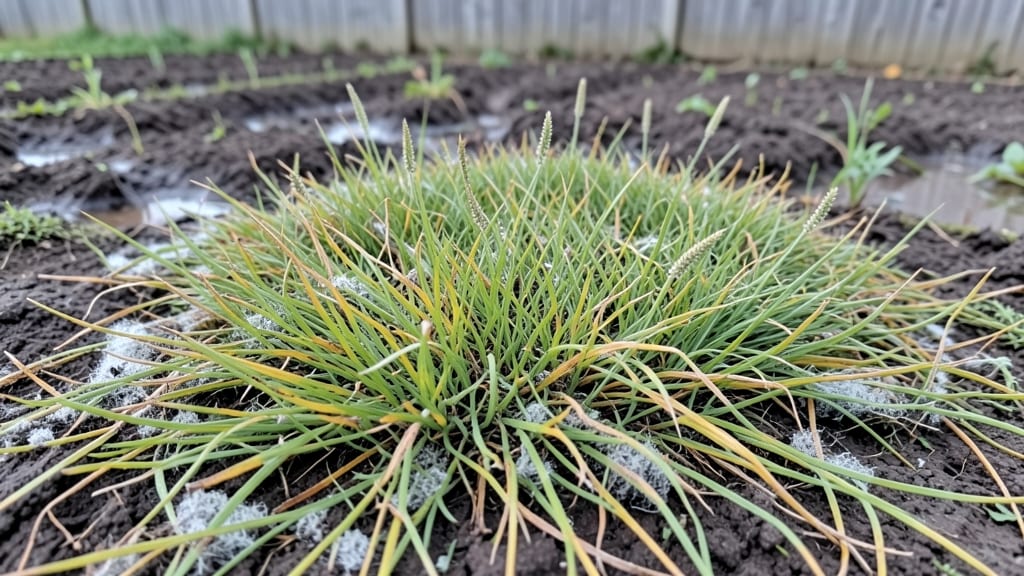
Your overwatered Bermuda grass might look like swampy mud, but the damage isn’t permanent—fixing it just takes the right steps. 🌱 I’ve revived lawns that seemed beyond help by cutting back on water and giving them a chance to breathe. roots room to breathe.
The key isn’t just less water; it’s smarter water—shallow soaks instead of deep drownings, and letting the soil dry out between sessions.
Yellow spots and fungal growth are your lawn’s SOS signals, but the real problem is compacted soil that can’t drain. Bermuda grass hates soggy feet—it wants firm, well-drained ground where roots can stretch.
Aerate first (rent a core aerator if you don’t own one), then adjust your sprinkler schedule to match your climate. In Texas summers, that might mean watering twice a week for 10 minutes—not all day.
Within 2-3 weeks, you’ll see the yellow fade as roots strengthen and new blades push through. The grass will turn a deeper green, almost like it’s shedding its winter coat early.
By month two, with consistent care, your lawn will look like it never took a breath too deep. The secret? Patience and letting the grass tell you what it needs.
This works for any warm-season grass struggling with overwatering—just swap the aeration timing for your region’s growing season. Once you’ve got the rhythm down, you’ll spot the signs before they spread. Let’s get that lawn back to its aggressive, drought-loving best.
Why it happens
Bermuda grass thrives in heat and drought—but when it gets too much water, its roots suffocate, and the lawn turns into a sad, yellow mess. 🌧️😬 Let’s break down the real reasons your grass is drowning in its own moisture.
💦 Irrigation Overload From Automatic Systems
Automatic sprinklers are convenient, but they don’t always "read the room." Bermuda grass only needs 1 to 1.5 inches of water per week (including rain). If your system runs on a timer without adjusting for weather, it can easily dump 2x or 3x that amount—especially if:
- Sprinkler heads overlap: When zones overlap, the same area gets drenched twice, leaving puddles and compacted soil.
- Run times are too long: A 15-minute cycle might seem harmless, but on a hot day, it can deliver 0.5 inches of water per hour—double that in 30 minutes.
- No rain delay feature: Many systems keep spraying even after a downpour, turning your lawn into a swamp.
Pro Tip: 💡 Use a smart irrigation controller (like Rain Bird or Rachio) to track soil moisture and weather forecasts. Adjust zones so sprinklers don’t overlap, and set a rain delay of at least 24 hours after heavy rain.
🌧️ Poor Drainage Traps Water Like A Sponge
Bermuda grass has deep, fibrous roots that need aeration—but if your soil is clay-heavy or compacted, water pools instead of draining. Signs of drainage issues:
- Puddles lingering hours after watering or rain.
- Muddy soil when you walk on it (even slightly).
- Grass turning yellow in low spots where water collects.
Clay soil, in particular, acts like a waterproof blanket. When saturated, it blocks oxygen, suffocating roots and inviting fungal diseases like Brown Patch or Fusarium wilt.
Fix It: ✨ Test your soil’s drainage by digging a 12-inch hole and filling it with water. If it drains in less than 6 hours, you’re okay. If it takes longer, aerate in fall (when Bermuda is dormant) and mix in compost or sand to improve porosity.
🌱 Watering At The Wrong Times
Timing matters more than you think. Bermuda grass hates wet leaves—especially at night. Here’s why:
- Evening watering: Cooler temps slow evaporation, leaving grass constantly damp for 10+ hours. This creates the perfect fungus factory.
- Frequent light watering: Giving your lawn a little sip every day encourages shallow roots. Bermuda needs deep, infrequent watering (like a 1-inch soaking 2-3x per week) to grow strong.
- Watering before rain: If a storm is forecast, skip irrigation—your lawn will get enough moisture naturally.
Rule of Thumb: 🌞 Water early morning (4–8 AM) so grass dries by evening. Use a rain gauge or tuna can to measure—1 inch = 0.62 gallons per sq. ft.
🔄 Overzealous Fertilizer + Water Combo
Fertilizer burns roots when soil is too wet. Bermuda grass needs nitrogen to stay green, but if you:
- Apply quick-release fertilizer (like urea) right before watering, it dissolves too fast, creating a salt buildup that burns roots.
- Use too much fertilizer (check the N-P-K ratio—Bermuda prefers 16-4-8 or 30-0-4), it stresses the grass, making it more susceptible to overwatering damage.
Solution: ⏰ Fertilize in early spring or fall (when Bermuda is actively growing but soil isn’t waterlogged). Water lightly after to help nutrients soak in, but avoid deep watering for 24 hours to prevent runoff.
🌿 Ignoring Grass Thickness & Growth Stage
Thin Bermuda grass can’t handle water like a dense lawn. If your grass is:
- Newly seeded: Seedlings need light, frequent watering (daily for 10–15 mins) to germinate—but once established (4–6 weeks), switch to deep watering.
- Recovering from drought: Stressed grass can’t absorb water efficiently, leading to runoff and root rot.
- Thin from disease or pests: Bare spots mean water evaporates faster, but compacted soil holds moisture too long in remaining patches.
Action Step: 🔥 Before adjusting watering, test grass density—if you see more than 25% bare soil, overseed or treat for pests first. A dense lawn handles water stress 10x better.
Revive Your Lawn with These Fixes
If your Bermuda grass is suffering from overwatering, don’t panic—there’s still hope! The key is to act quickly and address the root causes (literally and figuratively). Below, we’ll break down the most common issues and provide step-by-step solutions to rescue your lawn.
Plus, we’ll share some easy prevention tips to keep your grass thriving long-term.
💦 Too Much Water? Drainage First
If your lawn is soggy or waterlogged, poor drainage is likely the culprit. Bermuda grass hates sitting in wet soil, which can lead to root rot, fungal diseases, and those pesky yellow spots.
🔧 Fix It:
- Test Your Soil’s Drainage
- Dig a small hole (about 6 inches deep) in the affected area.
- Fill it with water and time how long it takes to drain completely.
- If it takes longer than 6 hours, your soil drains poorly.
- Improve Drainage with Sand or Compost
- Mix coarse sand (like builder’s sand) or compost into the top 2–3 inches of soil.
- For large areas, consider aeration (rent a core aerator or hire a pro).
- Pro Tip: 💡 Use a soil test kit to check pH and nutrient levels—overwatering can wash away essential nutrients.
- Adjust Your Watering Schedule
- Bermuda grass needs 1–1.5 inches of water per week, including rain.
- Water deeply 2–3 times per week (early morning is best) instead of daily shallow watering.
- Avoid puddles! If water pools for more than a few hours, you’re overdoing it.
🍄 Fungal Infections from Excess Moisture
Overwatering creates the perfect breeding ground for fungal diseases like brown patch or dollar spot, which cause yellowing, thinning, or circular dead patches.
🧪 Fix It:
- Stop Watering Until Soil Dries
- Let the grass dry out completely before watering again.
- Use a lawn rake to improve airflow around affected areas.
- Apply a Fungicide (If Needed)
- For mild cases, baking soda spray (1 tbsp per gallon of water) can help.
- For severe infections, use a fungicide labeled for Bermuda grass (follow instructions carefully).
- Mow Higher to Reduce Stress
- Set your mower to 1–1.5 inches to shade the soil and slow moisture evaporation.
- Never remove more than ⅓ of the grass blade at once—this weakens the plant.
🌱 Root Rot and Compaction Issues
If the grass feels spongy underfoot or pulls up easily, root rot or soil compaction may be the problem. Overwatering weakens roots, making them susceptible to disease and physical damage.
🌿 Fix It:
- Aerate the Lawn
- Rent a core aerator (or hire a pro) to pull small soil plugs, allowing water and air to penetrate.
- Best time: Early morning on a warm, dry day.
- Top-Dress with Sand or Peat Moss
- Spread a ¼-inch layer of sand or peat moss over the lawn.
- Lightly rake it in to improve soil structure.
- Reduce Foot Traffic
- Avoid walking on wet grass—compaction worsens drainage problems.
- If your lawn is heavily used, consider artificial turf in high-traffic areas.
🌞 Prevention Tips for a Healthier Lawn
Once your Bermuda grass is back on track, keep these tips in mind to prevent future overwatering issues:
- 🌡️ Check Soil Moisture Before Watering
- Stick your finger 2 inches into the soil—if it’s damp, wait before watering.
- ⏰ Water at the Right Time
- Early morning (4–8 AM) is ideal—it reduces evaporation and fungal risks.
- 🔄 Adjust for Weather Conditions
- If it rained ½ inch or more, skip watering that day.
- In hot, dry spells, increase watering slightly but monitor for runoff.
- 🌱 Fertilize Smartly
- Over-fertilizing can encourage excessive growth, making grass more prone to overwatering.
- Use a slow-release fertilizer in early spring and late summer.
- 🌿 Mow Regularly but Not Too Short
- Keep Bermuda grass at 1–1.5 inches for resilience and better water retention.
With these fixes, your Bermuda grass should bounce back in 2–4 weeks, looking lush and green again. Stay consistent with watering, drainage, and maintenance, and your lawn will thank you!
Frequently asked questions
How can I tell if my Bermuda grass is overwatered vs. underwatered?
Overwatered Bermuda grass shows yellow patches, spongy soil, and fungal growth (like brown rings). Underwatered grass turns grayish-blue and feels crispy. Check soil moisture by pushing a screwdriver in—if it slides in easily, you're overwatering; if it's dry at 2 inches deep, you need more water.
Will stopping water completely fix overwatered Bermuda grass?
No—stopping water abruptly can shock the grass. Instead, reduce to 1 inch per week (including rain) and let soil dry between waterings. Focus on improving drainage first by aerating or adding sand/compost. Roots need time to recover, so patience is key.
Can I save Bermuda grass with fungal spots from overwatering?
Yes! First, stop watering until soil is dry. Rake affected areas to improve airflow, then apply a baking soda spray (1 tbsp/gallon) or fungicide for severe cases. Mow higher (1.5 inches) to shade soil and prevent recurrence.
How long does it take for Bermuda grass to recover from overwatering?
With proper care, you’ll see improvement in 2-4 weeks. Deep roots take longer to regrow, so avoid heavy foot traffic during recovery. For severe cases, consider overseeding bare spots with Bermuda seed in late spring/early summer.
Is there a quick fix for compacted soil from overwatering?
Rent a core aerator to pull soil plugs (do this when grass is actively growing). Top-dress with ¼-inch sand or compost, then water lightly. This improves drainage instantly—repeat every 6-12 months for prevention.