
How To
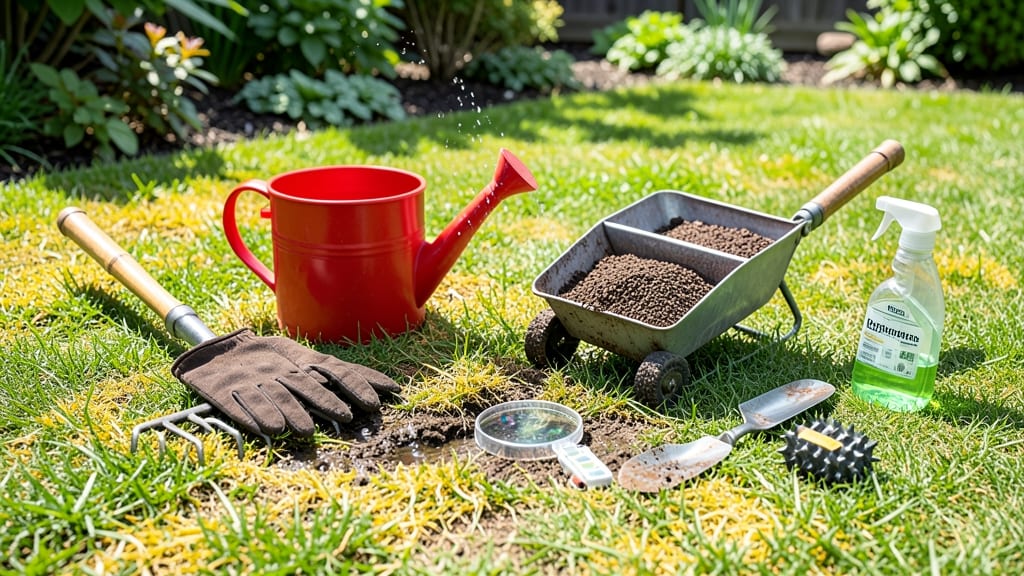
How to fix yellow spots in your lawn doesn’t require a total overhaul—just three simple soil tests reveal the real culprit. 🌱 I’ve turned patchy brown into lush green using these same steps, and the best part? You’ll know exactly what’s wrong within a weekend. Most yellow spots stem from one of three issues: fungal infections (often circular with fuzzy edges), compacted soil (spongy underfoot), or nutrient deficiencies (thin, weak grass). The fix depends on the diagnosis—fungicides for disease, aeration for compaction, or fertilizer for hungry roots. My lawn’s worst patches recovered in just 2 weeks after the right treatment. You’ll end up with a lawn that stays vibrant through droughts, kids’ play, and even summer heat. The secret is acting fast—before spots spread or roots weaken further. Think of this as a checkup for your grass, not a last-resort fix. Works for any grass type, from cool-season fescue to warm-season Bermuda. Here’s how to pinpoint the problem and revive your lawn for good.
Understanding the Roots of Yellow Spots
Yellow spots in your lawn aren’t just an eyesore—they’re a cry for help from your grass. Before you can fix them, you need to identify the underlying cause. Below, we break down the most common reasons your lawn is turning yellow, explained in clear, actionable terms.
Fungal diseases are one of the most frequent culprits behind yellow spots, thriving in damp, warm conditions. Here’s how they strike:
- Dollar Spot Disease: This fungus creates small, straw-colored spots with a darker border. It loves high humidity and thrives in lawns with poor air circulation.
Overwatering or late-night watering (when grass stays wet overnight) creates the perfect breeding ground. - Brown Patch: Common in warm-season grasses, this fungus causes circular, yellow-brown patches that often appear after heavy rain or overwatering.
It’s most active in temperatures between 75–90°F (24–32°C). - Snow Mold: If your lawn looks like it’s covered in a fuzzy white or pink blanket in spring, snow mold is likely the culprit.
It grows under snow or thick mulch, weakening grass blades and leaving behind yellow, matted areas.
🔍 Pro Tip: Check the underside of affected grass blades for fuzzy growth—this is a dead giveaway for fungal activity.
Too much water—or water that doesn’t drain properly—stresses grass roots, leading to yellowing. Here’s why it happens:
- Compacted Soil: Heavy foot traffic, construction equipment, or clay soil can compress the soil, preventing water from draining. When roots suffocate, they can’t absorb nutrients, causing yellow patches. - Overwatering: Grass needs 1–1.5 inches of water per week, including rainfall.
More than that leads to root rot, where fungi and bacteria feast on oxygen-deprived roots. - Underwatering (Yes, Really!): While overwatering is common, underwatering can also cause yellowing. Grass blades curl and turn yellow-brown when they’re dehydrated, often appearing in irregular patches.
⚠️ Warning Sign: If your lawn feels spongy underfoot or puddles linger for hours, drainage is the issue.
Yellow spots can signal that your grass isn’t getting the right nutrients. Here’s what’s missing and why:
- Nitrogen Deficiency: Yellowing between leaf veins (but green stems) is classic nitrogen starvation. Nitrogen is essential for chlorophyll production—the pigment that makes grass green.
Slow-release fertilizers or compost can restore balance. - Iron or Chlorosis: Yellowing with green veins often points to iron deficiency (common in alkaline soils). Grass can’t absorb iron when soil pH is too high (above 7.0).
A soil test will confirm this. - Potassium or Phosphorus Shortages: Weak, yellow patches that spread slowly may indicate potassium (for root strength) or phosphorus (for energy transfer) deficiencies. A balanced fertilizer can help.
📊 Quick Fix: Conduct a soil test (DIY kits are affordable) to pinpoint exactly what your lawn is missing.
Insects and grubs can wreak havoc underground or above, leaving yellow patches in their wake:
- Grubs: The larvae of beetles (like Japanese beetles) feed on grass roots, causing patches to pull up easily or turn yellow.
Look for white, C-shaped larvae in the soil. - Chinch Bugs: These pests suck sap from grass blades, leading to straw-colored, wilted patches that often start near sidewalks or driveways.
They’re most active in hot, dry weather. - Armyworms or Sod Webworms: These caterpillars chew grass blades at the base, creating irregular yellow patches. You might spot silken tubes in the turf.
💡 Pro Tip: Early morning is the best time to spot pests—grubs and bugs are sluggish and easier to find.
Sometimes, the problem isn’t biological—it’s environmental:
- Heat or Drought Stress: Intense heat or prolonged dry spells cause grass to go dormant, turning yellow or brown. Warm-season grasses (like Bermuda or Zoysia) handle heat better than cool-season grasses (like Kentucky Bluegrass). - Shade Stress: Too little sunlight weakens grass, leading to thin, yellow patches.
Shady areas often favor weeds like clover or moss, which outcompete grass. - Chemical Burn: Overapplying fertilizer, herbicide, or even dog urine (high in nitrogen) can scorch grass, leaving yellow or white patches. Always follow product instructions and water after application.
✨ Solution: Adjust watering schedules, mow high in summer, or overseed shady areas with shade-tolerant grasses like Fine Fescue.
How to Revive Your Lawn’s Green
Yellow spots on your lawn aren’t just an eyesore—they’re a cry for help from your grass. The good news? With the right steps, you can diagnose the issue and restore that lush green in no time.
Below, we’ve mapped out targeted solutions based on the most common causes, along with easy-to-follow prevention tips to keep your lawn thriving.
Fungal infections thrive in damp, shaded, or overwatered lawns. Here’s how to kick them to the curb:
🍄 Step 1: Improve Airflow & Drainage
- 🌬️ Aerate your lawn (rent a core aerator or hire a pro) to loosen compacted soil and let roots breathe.
- ⚡ Rake out thatch (the spongy layer between grass and soil) to reduce fungal hiding spots.
- 💧 Water deeply but less often—early morning is best. Avoid evening watering, which keeps grass damp overnight.
🧴 Step 2: Apply a Fungicide
- 🛡️ Use a systemic fungicide (like propiconazole or myclobutanil) for stubborn spots. Follow label instructions for application rates.
- 🌱 For mild cases, try a natural remedy: Mix 1 tsp baking soda + 1 gallon water + a few drops of dish soap, then spray affected areas.
🛡️ Prevention Tips
- ✂️ Mow high (3–4 inches) to strengthen grass and reduce fungal entry points.
- 🌞 Thin out shade—fungi love low-light areas. Trim overhanging branches or consider shade-tolerant grass varieties.
- 🍂 Clean up debris (leaves, clippings) regularly to remove fungal food sources.
If your lawn turns yellow in summer, it’s likely thirsty or sunburned. Revive it with these tricks:
💦 Step 1: Hydrate Properly
- 🚰 Water deeply 1–2 times per week (1–1.5 inches per session) rather than daily shallow watering.
- 🌅 Water early morning to minimize evaporation and fungal risks.
- 🌿 Use a sprinkler with even coverage—check for dry patches after watering.
🌱 Step 2: Boost Grass Resilience
- 💪 Overseed with drought-tolerant grass (like tall fescue or Bermuda) if your current grass struggles.
- 🌱 Apply a slow-release fertilizer (high in nitrogen) to encourage root growth and recovery.
🌡️ Prevention Tips
- 🌿 Mulch with grass clippings to retain moisture.
- 🌞 Avoid foot traffic during peak heat—compacted, overheated soil worsens stress.
- 🌱 Test your soil—if pH is off (below 6.0 or above 7.5), amend it to help grass absorb water better.
Compacted soil suffocates roots, leading to yellow, spongy patches. Break it up with these methods:
🚜 Step 1: Aerate & Loosen Soil
- 🔨 Rent a core aerator (or use a manual spike aerator for small areas) to pull out soil plugs and improve airflow.
- 🌱 Top-dress with compost (¼ inch layer) to help roots establish in loosened soil.
💧 Step 2: Fix Drainage Issues
- 🚿 Check for low spots where water pools—grade the area slightly or install a French drain if needed.
- 🌧️ Test soil drainage: Dig a 12-inch hole, fill it with water, and time how long it takes to drain. If it’s slower than 6 hours, amend with sand or organic matter.
🏡 Prevention Tips
- 👟 Avoid heavy foot traffic on wet lawns—compaction worsens over time.
- 🌱 Plant deep-rooted grasses (like Kentucky bluegrass) that naturally aerate soil.
- 🌿 Leave grass clippings as natural mulch to improve soil structure over time.
Yellowing grass often signals a lack of key nutrients. Feed your lawn the right way:
📊 Step 1: Test Your Soil
- 🧪 Get a soil test kit (from a garden center or extension office) to check pH and nutrient levels.
- 🌱 Adjust pH if needed: Add lime to raise pH (for acidic soil) or sulfur to lower it (for alkaline soil).
🍽️ Step 2: Fertilize Smartly
- 💪 For nitrogen deficiency (pale yellow): Use a balanced fertilizer (10-10-10) or a quick-release option like urea.
- 🌿 For iron deficiency (yellow with green veins): Apply chelated iron or iron sulfate.
- 🌱 For potassium/magnesium issues: Use a complete fertilizer or wood ash (for magnesium).
💡 Prevention Tips
- 📅 Fertilize seasonally: Early spring and fall are ideal for most grasses.
- 🌱 Avoid over-fertilizing—it burns roots and harms the environment.
- 🍂 Compost regularly to naturally replenish nutrients over time.
Yellow spots don’t have to be permanent. By tackling the root cause—whether it’s fungi, drought, compaction, or hunger—you’ll have your lawn looking vibrant in weeks. Start with one solution, monitor progress, and adjust as needed. Your grass will thank you!
Frequently asked questions
Why do my yellow spots keep coming back after treatment?
Persistent yellow spots usually mean the root cause wasn't fully addressed. Fungal infections return if humidity stays high, while nutrient deficiencies need ongoing fertilization. Try a soil test first—if pH is off or nutrients are still low, amend the soil before reapplying treatments. Also check watering habits: overwatering or poor drainage keeps problems alive.
Can I use vinegar to kill weeds in yellow patches?
Vinegar can burn weeds, but it also harms grass—especially in already stressed areas. For small weed patches, spot-treat with a targeted herbicide instead. If your goal is reviving grass, focus on fixing soil compaction or nutrient issues first. Vinegar won't help yellow spots caused by fungi, drought, or poor drainage.
How long should I wait before overseeding yellow areas?
Wait until the yellow spots disappear and new grass growth appears (usually 2-4 weeks after treatment). For fungal issues, overseed after applying fungicide. For drought stress, water deeply for 2 weeks before seeding. Test soil pH first—if it's off, amend it before overseeding for best results.
Is it better to rent or buy an aerator for compacted soil?
Renting is cost-effective for one-time use—most hardware stores rent core aerators for $50-$80/day. If you have a large lawn or frequent compaction issues, buying a manual spike aerator ($50-$100) or hiring a pro ($100-$200/acre) may be worth it. For small yards, a garden fork works too!
When should I call a lawn care professional?
Call a pro if: yellow spots spread rapidly (within days), fungicides don't work after 3 applications, or your soil is severely compacted/clay-heavy. Also seek help if you suspect chemical burns (from over-fertilizing) or persistent pest infestations. Professionals can diagnose hidden issues like soil-borne diseases.