
Lawn
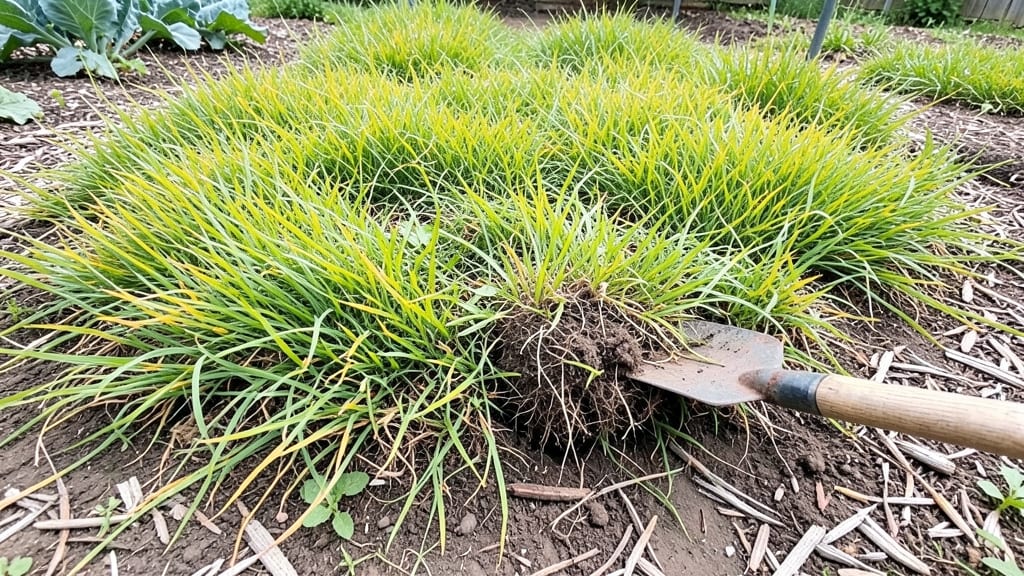
Grass burr removal just got easier than you think. I’ve wrestled with these spiky invaders for years, and the right tools and techniques make them disappear in minutes—not hours. The key is knowing when to attack them fresh and which tools actually work without leaving stubborn bits behind.
Start with a sturdy pair of gardening gloves and a burr rake designed for this exact job. When the burrs are still green and soft (right after rain), they pull out effortlessly.
For dried-out burrs, a damp towel or even a plastic bag trick works—just roll them up and toss them. Vinegar spray weakens their grip, but only if applied directly to the base.
You’ll be amazed how quickly your lawn looks cleaner. The secret is consistency: 10 minutes of focused pulling beats an hour of frustrated tugging. Plus, you’ll save your clothes from those infamous "velcro" patches that cling like tiny landmines.
Prevention is just as simple—mow high, water deeply, and choose burr-resistant grass varieties like tall fescue. A little upfront work means you’ll spend zero time battling these nuisances next season. Ready to reclaim your yard?
The Hidden Triggers Behind Stubborn Burrs
Grass burrs—those prickly little invaders—don’t just appear out of nowhere. They thrive thanks to a mix of environmental factors, plant biology, and even human habits. Understanding why they latch onto your grass (and your socks!) is the first step to keeping them under control.
Let’s break down the science behind their persistence.
🌱 Natural Seed Dispersal: Mother Nature’s Hitchhiking Strategy
Burrs are the seeds of survival for many weeds, like Cenchrus echinatus (sandbur) or Xanthium strumarium (cocklebur). Their spiky exteriors aren’t just annoying—they’re evolutionary weapons. Here’s how it works:
- Wind and animals: Lightweight burr seeds ride the wind or cling to fur, feathers, or clothing, spreading far from their original patch. A single burr plant can produce hundreds of seeds, each designed to latch onto anything that brushes past.
- Sunlight triggers germination: Many burr seeds lie dormant until exposed to light. That’s why they pop up in freshly mowed lawns or disturbed soil—your lawnmower might be helping them sprout!
- Drought resistance: Burrs often dominate in dry, compacted soil. Their hard outer shell protects the seed from dehydration, letting them wait years for the right conditions to grow.
Actionable insight: If your lawn has bare spots or thin grass, burrs see it as an open invitation. Thick, healthy turf is your best defense—more on that later!
🌡️ Climate and Soil: The Perfect Burr Growing Conditions
Burrs aren’t picky—they’ll grow almost anywhere, but they love specific conditions. Here’s what gives them an edge:
| Factor | Why Burrs Thrive | How to Disrupt Them |
|---|---|---|
| 🌞 Sunlight | Full sun (6+ hours/day) fuels rapid growth. Shady lawns? Less likely, but they’ll still pop up in garden beds. | Keep grass tall (3–4 inches) to block sunlight from reaching soil. |
| 💧 Drought | Dry soil stresses grass but not burrs. Their deep roots tap into moisture others can’t reach. | Deep watering (1–1.5 inches per week) crowds out weeds. |
| 🏗️ Compacted Soil | Heavy foot traffic or clay soil prevents grass roots from spreading, leaving gaps for burrs. | Aerate your lawn annually to loosen soil and encourage grass growth. |
| 🔥 Poor Drainage | Waterlogged areas create the perfect breeding ground for weed seeds, including burrs. | Test soil pH (aim for 6.0–7.0) and amend with compost if needed. |
💡 Pro Tip: Burrs often invade after construction, renovations, or new hardscaping. If you’ve recently redone your yard, be extra vigilant—those disturbed patches are burr magnets!
👟 Human Habits: How We Accidentally Invite Them In
You might not realize it, but everyday actions can unintentionally spread burrs. Here’s how:
- 🛍️ Bringing them home: Potted plants, mulch, or even firewood can carry burr seeds. Always inspect new additions to your garden!
- 🐕 Pet paws and shoes: Dogs, kids, and your own shoes track burrs from one spot to another. A single walk through an infested area can scatter dozens of seeds.
- 🌾 Mowing too short: Cutting grass below 2 inches stresses it, leaving bare soil for burrs to colonize. Never scalp your lawn!
- 🚜 Heavy equipment: Rakes, leaf blowers, and even lawn chairs can redistribute burrs across your yard. Always clean tools after use.
🎯 Prevention hack: Keep a small lint roller or sticky trap near your door to catch burrs before they hitch a ride indoors. (Yes, really!)
Now that you know why burrs show up uninvited, the next step is stopping their spread. Stay tuned for our deep dive into preventive strategies and fast removal methods—no gloves required!
Quick fixes for stubborn grass burrs
Removing grass burrs doesn’t have to be a painful ordeal—with the right tools and techniques, you can tackle them efficiently. Below, we’ve mapped out practical solutions based on the most common causes of burr buildup, along with prevention tips to keep them from returning.
🌱 Overgrown Grass or Weeds? Trim and Tame
Cause: Tall grass or weeds create a perfect hiding spot for burrs, allowing them to latch onto clothing, pets, and skin. Fix:
- 🔪 Mow regularly – Keep grass at a height of 2.5 to 3.5 inches to prevent burrs from taking hold.
- 🌿 Pull weeds by hand – Use gloves to avoid skin irritation and remove weeds at the root.
- 🔥 Burn or mulch – If weeds are thick, consider controlled burning (safely!) or mulching to suppress regrowth.
💡 Prevention Tip: > Set a weekly mowing schedule during peak burr season (spring to fall) to stay ahead.
🐕 Pets or Kids Bringing Them Inside? Stop the Spread
Cause: Furry friends and little explorers track burrs into homes, making carpets and furniture their new playground. Fix:
- 🧼 Wash clothes/pets immediately – Use a lint roller on fabrics and brush pets with a de-tangling comb to remove embedded burrs.
- 🧹 Vacuum high-traffic areas – A crevice tool attachment helps pull out stubborn burrs from carpets and upholstery.
- 🚪 Designate a "burr station" – Place a doormat with rubber bristles and a small trash bin near entryways for quick disposal.
🔥 Pro Tip: > Keep a pet-safe burr removal spray (like diluted vinegar) in your cleaning kit—spray on fur, let sit for 5 minutes, then brush out.
👟 Burrs Stuck to Shoes or Clothing? Easy Extraction
Cause: Walking on infested lawns or trails means burrs hitch a ride on shoes, socks, and fabric. Fix:
- 🧤 Use a burr comb or rubber glove – Rub the palm of a rubber glove over clothing or shoes to loosen burrs.
- 🧴 Apply petroleum jelly – Rub a small amount on the burr, wait 10 minutes, then peel off (works like magic!).
- 🧺 Toss in the dryer – For clothing, tumble dry on high heat for 20 minutes to crisp and pop off burrs.
✨ Quick Hack: > Freeze stubborn burrs for 10 minutes—cold makes them brittle and easier to snap off.
🌿 Lawn Maintenance Gone Wrong? Reset Your Routine
Cause: Poor lawn care (like over-fertilizing or neglecting soil health) weakens grass, allowing burr weeds to thrive. Fix:
- 🌱 Overseed bare spots – Use clover or tall fescue (burr-resistant grasses) to fill thin areas.
- 💧 Water deeply but less often – 1-1.5 inches per week encourages deep roots, making grass tougher.
- 🪓 Dethatch if needed – A thatched layer thicker than ½ inch traps moisture and invites burrs—rent a dethatcher if necessary.
🎯 Long-Term Strategy: > Test your soil every 2-3 years—imbalanced pH (below 6.0) makes grass vulnerable to burrs.
🚜 Heavy Foot Traffic or Construction Zones? Barrier Solutions
Cause: Areas with frequent walking, construction, or machinery create compacted soil where burrs flourish. Fix:
- 🛡️ Lay down mulch or gravel – A 3-inch mulch layer (wood chips or straw) smothers burr seeds.
- 🚧 Use landscape fabric – Under mulch or gravel, this blocks weed growth while allowing drainage.
- 🌿 Plant ground covers – Clover, creeping thyme, or moss outcompete burrs naturally.
💡 Eco-Friendly Tip: > Try corn gluten meal (an organic pre-emergent) in early spring—it prevents burr seeds from sprouting without chemicals.
Final Thought: Most burr problems stem from neglect or lack of prevention—but with these targeted fixes, you’ll banish them in minutes. Stay proactive, and your lawn (and sanity) will thank you! 🌿✨
Frequently asked questions
Why do grass burrs stick so tightly to clothes and pets?
Burrs have tiny barbed hooks designed to latch onto anything that brushes against them—like clothing fibers or pet fur. The more you move, the tighter they grip! Their spiky exterior creates a one-way attachment system, making them nearly impossible to shake off without the right tools.
What’s the fastest way to remove burrs from shoes?
Try the rubber glove trick: Rub the palm of a rubber glove over your shoes—the friction loosens the burrs instantly. For stubborn ones, apply a tiny bit of petroleum jelly, wait 5 minutes, then peel them off. Freezing shoes for 10 minutes also makes burrs brittle and easier to snap off.
Can vinegar really kill burr plants?
Yes! A 1:1 vinegar-water mix sprayed directly on burrs weakens their structure and kills the plant within 24 hours. For best results, apply on a sunny day when the burrs are actively growing. Just avoid spraying desirable plants—vinegar’s acidity can harm them too.
Why do burrs seem to spread worse after mowing?
Mowing can actually help burrs spread by exposing dormant seeds to sunlight (their germination trigger) and scattering them across your lawn. To prevent this, mow high (3–4 inches) and bag clippings to remove seeds before they take root.
Are there any burr-resistant grass types I should plant?
Tall fescue and clover are excellent choices—they grow densely, crowding out burrs naturally. For shady areas, fine fescue is another tough option. Overseeding with these varieties can reduce burr problems by up to 80% over time.