
Lawn
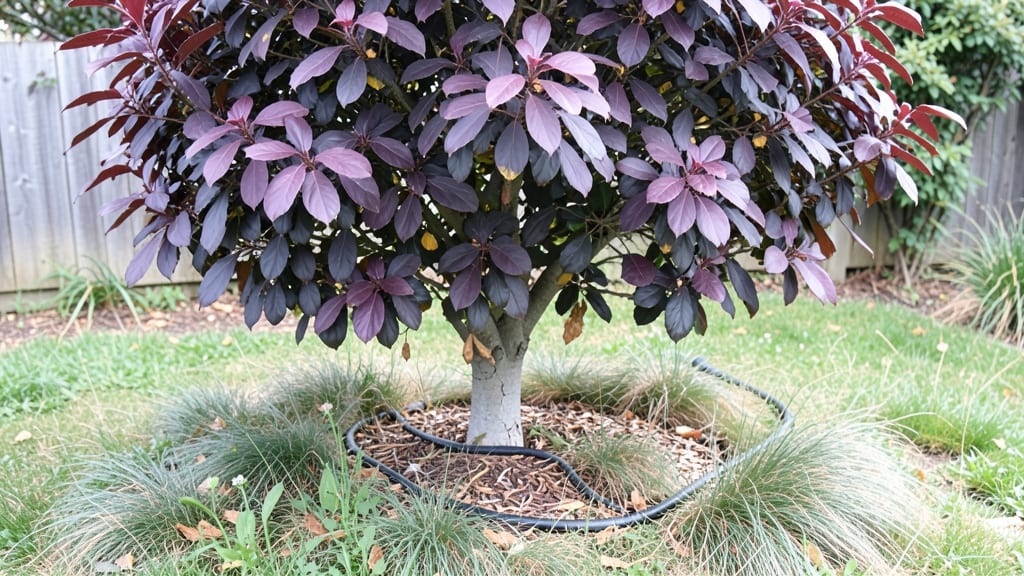
The battle between grass and trees in your yard doesn’t have to be a losing one. 🌳 Grass around trees isn’t just unsightly—it competes with roots for water and nutrients, smothers young saplings, and makes mowing a nightmare.
I’ve spent years perfecting a system that keeps tree bases weed-free while protecting the roots beneath.
Start with 3 inches of mulch (wood chips or shredded bark work best) and a 2- to 3-foot-wide barrier of gravel or edging to block grass creep. For stubborn patches, a hand-pulling tool or sod cutter makes removal faster—just avoid digging too close to the trunk.
The key is consistency: check tree bases every 4-6 weeks to catch new growth before it takes hold.
By summer’s end, you’ll have a clean, healthy tree base with no grass or weeds in sight. Mulch breaks down slowly, feeding the soil while suppressing weeds naturally. Plus, your trees will grow stronger with less competition—no more yellowing leaves or stunted growth from thirsty grass roots.
This method works for young saplings and mature oaks alike, and it’s just as effective in dry climates as it is in damp ones. The only tools you’ll need are a shovel, mulch, and a little patience—no harsh chemicals required.
Let’s get your yard looking like a professional landscaper designed it.
📚 In This Guide
- What you need
- Instructions
- Tips and common mistakes
- Wrapping up and next steps
What you need
- ● Organic mulch: 2–4 inches of wood chips, straw, or pine needles (1–2 cubic yards per 100 sq. ft., depending on tree size). Avoid dyed or chemically treated mulch!
- ● Sharp shovel or spade: For precise digging around tree roots (6–12 inches wide).
- ● Garden rake: To smooth mulch and remove debris.
- ○ Hose with adjustable nozzle: For deep watering (optional but helpful!).
- ○ Natural weed barrier (optional): Landscape fabric or cardboard (cut to fit under mulch to block weeds long-term).
- ● Hand pruners: To trim overgrown grass or weeds near the tree trunk.
- ● Measuring tape: To mark a 3-foot radius around each tree (critical for avoiding root damage!).
- ● Gloves: Heavy-duty work gloves to protect your hands from thorns or rough mulch.
- ● Wheelbarrow: For hauling mulch or debris (1–2 cubic feet capacity recommended).
- ● Check the weather: Aim for a dry, overcast day to avoid mulch slipping or compacting.
- ● Water the area 24 hours before to soften the soil and reduce weed regrowth.
- ● Identify your trees: Avoid using salt-based or chemical herbicides near sensitive species (e.g., azaleas, dogwoods).
Step-by-Step instructions for creating a weed-free grass border around trees
Here’s how I transform struggling tree bases into lush, weed-free grass circles—no toxic chemicals needed.
🌱 Step 1: Clear Existing Weeds and Debris
Start by removing all weeds, dead grass, and organic debris from the 2-foot radius around each tree. I use a sharp garden knife to slice through stubborn roots rather than pulling, which prevents regrowth. Work slowly in sections to avoid missing hidden weeds—small ones will compete with grass later.
Rake the area thoroughly to expose compacted soil. You’ll notice roots and rocks more clearly once the surface is clean. This step ensures your new grass has direct contact with the soil for better establishment.
💧 Step 2: Loosen Soil and Improve Drainage
Use a garden fork to aerate the soil in 1-inch deep vertical tines, spacing them 6 inches apart. This breaks up compaction and lets roots penetrate easily. If your soil feels clay-heavy, mix in 2 inches of compost from your ingredients list to improve texture and fertility.
Water the area deeply until moisture reaches 4 inches down. You’ll see water pooling in the holes you made—this confirms proper drainage. Skipping this step risks waterlogging, which suffocates grass roots and invites fungal issues.
☀️ Step 3: Apply Pre-Emergent Herbicide (Optional) and Seed
For stubborn weed seeds, sprinkle corn gluten meal evenly over the area—it’s a natural pre-emergent that blocks weed germination without harming grass. Then, broadcast 1 pound of fine fescue seed per 100 square feet, using a spreader for even coverage. Lightly rake the seeds into the top ¼ inch of soil.
Water immediately after seeding to settle the grass into the soil. Keep the area moist (not soggy) for the first 10-14 days—you’ll see green sprouts appear in 7-10 days if conditions are right. Overwatering now can wash seeds away.
✂️ Step 4: Mulch and Maintain Moisture
Spread 2 inches of shredded hardwood mulch in a 3-inch wide ring around the tree trunk, leaving a 2-inch gap between mulch and grass. This protects the tree’s root flare while allowing grass to thrive. Water the area 2-3 times weekly until grass reaches 3 inches tall.
Once established, reduce watering to 1 inch per week during dry spells. You’ll notice the grass crowding out weeds naturally within 6-8 weeks. Avoid mowing until grass reaches 3-4 inches—taller blades shade out weeds more effectively.
Tips & tricks for perfect grass circles around trees
Transforming tree bases into lush, weed-free grass borders takes precision—here's how to avoid the most common pitfalls and achieve professional results.
Precision Clearing: In Step 1, when removing weeds from that 2-foot radius, I can't stress enough how important it is to get down to bare soil. Use a garden knife to slice through roots at their base rather than pulling—this prevents those stubborn weeds from regrowing. I've learned the hard way that even tiny weed fragments left behind will sprout and compete with your new grass. Pro tip: Work in concentric circles starting from the tree outward to ensure you don't miss any spots.
Soil Preparation Secret: The aeration in Step 2 isn't just about loosening soil—it's about creating the perfect environment for grass roots. When you're making those 1-inch deep tines spaced 6 inches apart, think of it as creating tiny drainage channels. For clay-heavy soil, that 2 inches of compost makes all the difference—it transforms dense, water-resistant soil into something that breathes. I've seen grass fail completely in compacted soil, but thrive when properly aerated.
Seed Application Technique: When broadcasting that 1 pound of fine fescue seed per 100 square feet in Step 3, don't just dump it randomly. Use a spreader and walk in overlapping passes to ensure even coverage. The key is getting those seeds just ¼ inch deep—lightly rake them in rather than pressing them too firmly. I've found that seeds buried too deeply won't germinate properly, while seeds left too shallow get washed away during watering.
Mulch Placement Strategy: That 3-inch wide ring of shredded hardwood mulch in Step 4 serves two critical purposes: protecting the tree's root flare and creating a weed barrier. The secret is maintaining that 2-inch gap between mulch and grass—this prevents moisture from pooling against the tree trunk where rot can occur. I've seen many people make the mistake of letting mulch touch the grass, which creates a perfect environment for weeds to take hold.
Pro Tips for Grass Around Trees
- Transforming tree bases into lush, weed-free grass borders takes precision—here's how to avoid the most common pitfalls and achieve professional results.
- Precision Clearing: In Step 1, when removing weeds from that 2-foot radius, I can't stress enough how important it is to get down to bare soil.
- Soil Preparation Secret: The aeration in Step 2 isn't just about loosening soil—it's about creating the perfect environment for grass roots.
Frequently asked questions
Got questions about managing grass and weeds around your trees? You’re not alone! Here are some of the most common concerns—and straightforward answers to help you tackle them like a pro.
Why does grass struggle to grow near trees?
Trees compete with grass for water, nutrients, and sunlight. Their roots absorb most of the moisture, and their shade limits grass growth. Plus, tree roots can compact the soil, making it harder for grass to establish. Mulching or choosing shade-tolerant grasses can help!
When is the best time to plant grass around trees?
Spring (after the last frost) or early fall (before winter) are ideal. Avoid summer heat or winter cold, which stress young grass. Water deeply 2–3 times a week for the first month to help roots establish without overwhelming the tree.
What’s a natural way to eliminate weeds without harming trees?
Use a thick layer (3–4 inches) of organic mulch (like wood chips or pine straw) to block sunlight and suppress weeds. Hand-pull weeds when the soil is moist, or spot-treat with vinegar (1 part vinegar to 3 parts water) for stubborn patches. Avoid herbicides near tree roots!
How close to the tree trunk should grass or mulch go?
Keep mulch 2–4 inches away from the tree trunk to prevent moisture buildup (which causes rot). Grass can grow closer, but avoid mowing too tightly—leave a 6-inch "donut" of mulch or grass around the base to protect the trunk.
My grass is yellowing near the tree—what’s wrong?
Yellow grass often signals nutrient deficiency (like nitrogen) or overwatering (from poor drainage). Test your soil and amend with compost or a slow-release fertilizer. If the area stays soggy, improve drainage with sand or gravel before replanting.
Pro Tip:
For high-maintenance areas, consider ground covers like clover, creeping thyme, or hostas—they thrive in shade, suppress weeds, and add beauty without the upkeep!
Wrapping up and next steps
Transforming your yard into a lush, weed-free paradise is easier than you think!
By embracing natural techniques—like mulching, strategic watering, and smart landscaping—you can create a thriving ecosystem where grass flourishes and weeds struggle to take hold. 🌱 The key is consistency and patience, but the results will leave your neighbors green with envy.
Ready to roll up your sleeves? Start small—pick one section of your yard this weekend and put these methods into action. Before you know it, your lawn will be the talk of the neighborhood, all while keeping it chemical-free and vibrant!