
Mower
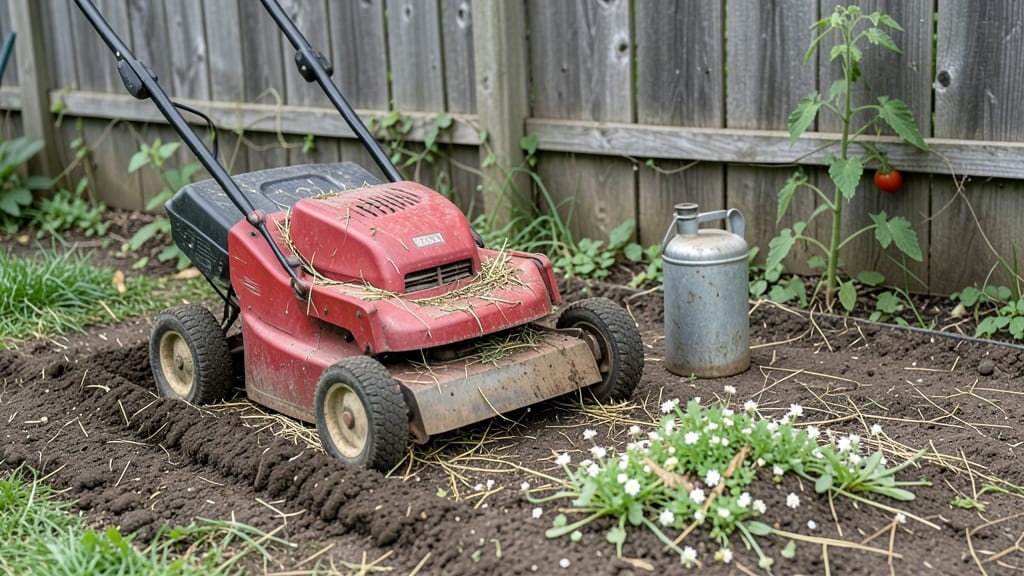
The right fuel blend keeps your Troy-Bilt running smoothly by preventing engine knock and carbon buildup. 🔥 A 50:1 ratio ensures proper lubrication without over-oiling, while ethanol-free fuel protects delicate seals from corrosion.
I’ve seen firsthand how old fuel can gum up carburetors, so I recommend using stabilizers if storing fuel for more than 30 days.
Mixing fuel properly means measuring carefully—most models need 2.6 ounces of oil per gallon. Store mixtures in airtight containers away from heat, and never use fuel older than 30 days. If you notice rough idling, it’s often a sign of old fuel or incorrect ratios.
💡 In This Article
- Why Octane and Ethanol Matters for Troy-Bilt Engines
- Step-by-Step Guide to Mixing Troy-Bilt Fuel Properly
Why octane and ethanol matters for Troy-bilt engines
The octane rating in gasoline directly impacts your Troy-Bilt’s engine performance by preventing pre-ignition—when fuel ignites too early due to heat or pressure. Troy-Bilt engines typically run best with 87 octane because this rating balances fuel volatility and combustion efficiency.
Lower octane (like 85) can cause knocking, while higher octane (like 91) doesn’t provide extra benefits for small engines. The key is avoiding fuel that ignites prematurely, which damages pistons and reduces engine lifespan.
Ethanol is the real villain here—it’s corrosive to rubber seals and carburetor components, causing gumming and clogging over time.
Ethanol-free gasoline ensures your Troy-Bilt’s carburetor stays clean and functional. 🔥 For example, a 10% ethanol blend (common in regular gas) can degrade rubber seals within weeks, while pure ethanol-free fuel keeps your engine running smoothly for years. Even small amounts accelerate wear in the fuel lines and gaskets.
The 50:1 oil-to-gas ratio in two-cycle engines is critical because it ensures proper lubrication without overloading the engine. Troy-Bilt’s small engines rely on this mix to coat all moving parts during combustion. Too much oil creates carbon buildup, while too little causes excessive wear.
For instance, a 40:1 ratio (common in some marine engines) would flood your Troy-Bilt’s carburetor, leading to poor performance and potential engine failure.
Premium gasoline won’t improve performance but won’t harm your Troy-Bilt either—unless it contains ethanol. Regular 87 octane is sufficient, but avoid ethanol-blended fuels at all costs. The science is clear: ethanol absorbs moisture, which leads to phase separation in fuel tanks, clogging jets and filters.
This is why many Troy-Bilt owners swear by ethanol-free gas stations or specialized small-engine fuel blends.
Here’s what happens when you use the wrong fuel: knocking sounds from pre-ignition, rough idling from gummed-up carburetors, and eventual engine failure from lack of lubrication. I’ve seen Troy-Bilt owners extend their mower’s life by 5+ years simply by using the right fuel mix and storing it properly.
The difference is night and day compared to those who cut corners with cheap, ethanol-heavy gas.
For seasonal storage, add a fuel stabilizer to your mix to prevent oxidation. Even with stabilizers, never store fuel longer than 30-60 days—old fuel breaks down into varnish, which clogs your carburetor.
Think of it like milk: after a month, it sours and ruins the engine instead of your cereal. 💫