
Lawn
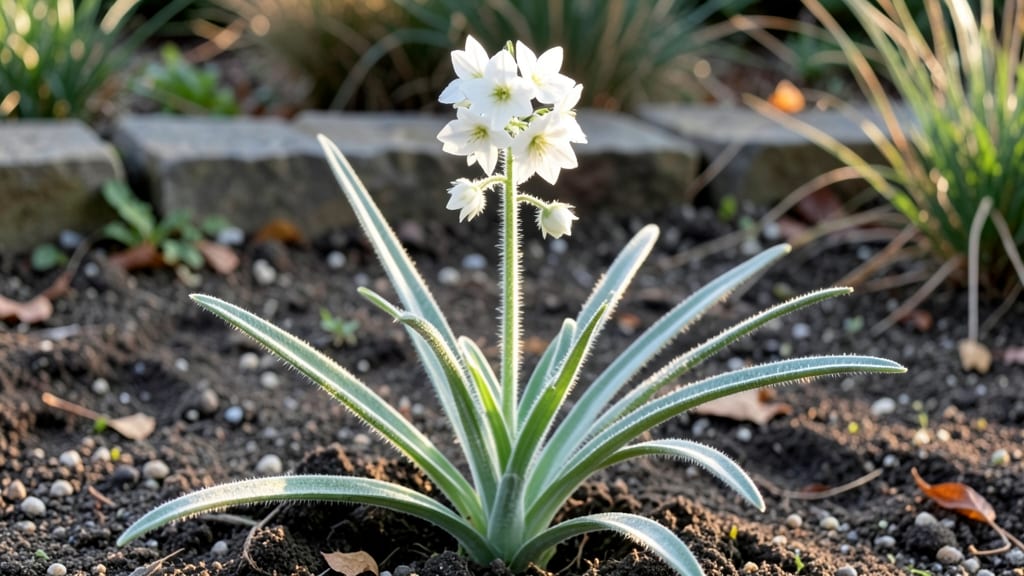
That fuzzy grass weed creeping into your lawn isn’t just unsightly—it’s a stubborn invader that crowds out your grass if you let it take hold. I’ve battled it in my own yard, and the key is acting fast before those fuzzy seed heads spread everywhere.
The good news? With the right approach, you can starve it out or pull it up before it becomes a full-blown takeover.
Most people mistake it for regular grass, but look closer: those fuzzy seed heads are a dead giveaway. It thrives in moist soil and shady spots, which is why it pops up after rain or in thin lawn areas.
The worst part? One plant can produce thousands of seeds, so ignoring it means more work next season. I’ve found that a combination of hand-pulling and smothering works best for small patches.
By late summer, you’ll see a noticeable difference if you’ve been consistent—fewer fuzzy tufts and more of your actual grass coming back. The secret is persistence: check for new sprouts every few weeks, especially after watering.
For larger areas, a targeted herbicide (like a vinegar-based spray) can help, but organic methods work just as well if you’re patient.
This works year-round, but spring and fall are the best times to tackle it before seeds mature. Even if you’ve got a bad case now, don’t give up—your lawn can bounce back with the right strategy. Let’s get those weeds under control for good.
Why it happens
Fuzzy grass weed—often mistaken for clover or creeping Charlie—doesn’t just pop up overnight. Its stubborn persistence is the result of a mix of environmental triggers, lawn neglect, and even unintentional human actions.
Below, we break down the core reasons why this pesky invader takes over your yard, so you can tackle the problem at its source.
###
🌱 Poor Soil Health & Nutrient Imbalance
Fuzzy grass weed thrives in lawns where the soil is weak, not weak-willed. Here’s why:
- Low nitrogen: When your grass struggles to grow thickly, fuzzy weed seeds find bare spots to colonize. A nitrogen deficiency (common in overwatered or poorly fertilized lawns) leaves gaps that weeds exploit.
- Compacted soil: Heavy foot traffic, machinery, or clay-heavy soil prevents water and air from reaching grass roots. Weeds, with their shallow but aggressive root systems, dominate instead.
- pH problems: Fuzzy grass weed prefers slightly acidic to neutral soil (pH 6.0–7.0). If your lawn’s pH is too high (alkaline) or too low (acidic), your grass may weaken while weeds flourish.
Actionable fix: Test your soil (DIY kits cost <$20) and amend with compost, peat moss, or lime/sulfur to balance pH. Overseed with a high-quality grass blend to outcompete weeds.
###
💦 Overwatering or Irrigation Issues
Water is a double-edged sword: too little stresses grass, but too much drowns it—literally. Fuzzy grass weed loves moisture because:
- Excess water washes away nutrients, leaving your lawn starved while weeds thrive in soggy conditions.
- Shallow watering (e.g., frequent light sprinkles) encourages weeds to grow near the surface, where they soak up moisture before grass can.
- Poor drainage creates puddles or swampy patches, turning your lawn into a fuzzy weed buffet.
Actionable fix:
- Water deeply 1–1.5 inches per week, early in the morning to reduce evaporation.
- Check sprinkler heads for misalignment—uneven watering creates weak spots.
- Improve drainage with sand or gypsum if your yard holds water like a sponge.
###
✂️ Lazy Lawn Maintenance Habits
Skipping basic lawn care is like leaving the door open for fuzzy grass weed. Here’s how neglect invites it:
- Infrequent mowing: Tall grass shades the soil, cooling it and encouraging weed seeds to germinate. Fuzzy grass weed, in particular, loves the damp, shaded conditions created by uncut grass.
- No dethatching: A thick thatch layer (dead grass buildup) blocks water and air from reaching roots, while weeds slip through the cracks.
- Ignoring weeds early: One fuzzy weed left unchecked can produce thousands of seeds per season. By the time you notice patches, it’s already too late.
Actionable fix:
- Mow regularly at 3–4 inches tall (never remove more than ⅓ of the blade at once).
- Dethatch in early spring or fall if the layer exceeds ½ inch.
- Pull weeds by hand when small (use a weeding tool to avoid spreading seeds).
###
🌿 Shade & Poor Grass Selection
Not all grass is created equal—and neither are all lawns. Fuzzy grass weed exploits two common mistakes:
- Too much shade: Most cool-season grasses (like Kentucky bluegrass) need 4–6 hours of sun daily. In shady spots, fuzzy weed outcompetes weak grass with its low-light tolerance.
- Wrong grass type: If you planted warm-season grass (e.g., Bermuda) in a cool climate (or vice versa), your lawn will struggle while weeds move in.
Actionable fix:
- For shady areas, choose shade-tolerant grasses like fine fescue or creeping red fescue.
- Thin overhanging trees to let 30–50% sunlight reach the lawn.
- Consider ground covers (like clover) in heavily shaded zones to crowd out weeds naturally.
Pro tip: 🔥 Combine these fixes for long-term results. Fuzzy grass weed won’t stand a chance against a thick, healthy lawn with proper care!
How to solve it
Fuzzy grass weed—often Nassella tenuissima or Muhlenbergia capillaris—can turn your pristine lawn into a tangled mess if left unchecked. But don’t worry! With the right approach, you can reclaim your yard.
Below, we’ve mapped out targeted solutions based on the root causes of the problem, from manual removal to chemical control, plus tips to keep it from creeping back.
###
🌱 For Small, Localized Patches: Manual Removal
If your fuzzy grass weed is confined to small areas, physical removal is the most eco-friendly and cost-effective method. Here’s how to do it right:
- 🔥 Pull When Soil Is Moist – Wait for a damp day (after rain or watering) to reduce resistance. Grasp the weed at the base and wiggle it free—don’t just yank, or you’ll snap the stem and leave roots behind.
- 👨🍳 Use the Right Tools – A weeding knife or dandelion digger works best for stubborn clumps. For thick mats, a lawn rake can help loosen the soil first.
- 🥘 Dispose Properly – Bag the weeds and throw them away don’t compost them, or they’ll regrow! If composting is a must, let them dry out completely for 3+ days first.
- 💡 Pro Tip: Reapply this method weekly for 2–3 weeks to catch new sprouts. Fuzzy grass weed is persistent!
###
🌡️ For Dense Infestations: Smothering & Mulching
When weeds have taken over large sections, suffocating them with mulch or cardboard is a chemical-free way to starve them out. This method works best in spring or fall when weeds are actively growing.
- 📊 Cover the Area – Lay down black plastic sheeting or cardboard (remove tape/staples first!) over the infested patch. Secure the edges with rocks or soil.
- ⏰ Wait 4–6 Weeks – The weeds will die from lack of sunlight. Check periodically to ensure full coverage.
- 🌱 Replace with Grass Seed – Once the area is clear, till the soil and reseed with dense, competitive grass varieties like tall fescue or ryegrass to prevent regrowth.
- ✨ Pro Tip: For a no-till option, use thick organic mulch (straw or wood chips) instead of plastic. This improves soil health over time!
###
🔪 For Stubborn Cases: Herbicide Options
If manual methods fail, herbicides can be a last resort—but choose selective options to avoid harming your lawn. Always follow label instructions and consider pre-emergent treatments in early spring to prevent new growth.
| Herbicide Type | Best For | How to Apply |
|---|---|---|
| Glyphosate (e.g., Roundup) | Large, overgrown patches (kill-and-retill method) | Spray directly on weeds, avoid healthy grass. Retill soil after 3–5 days and reseed. |
| Dicamba + 2,4-D (e.g., Ortho Weed B Gon) | Broadleaf weeds + fuzzy grass in mixed areas | Apply in early morning on a calm day. Water lawn lightly afterward to reduce drift. |
| Corn Gluten Meal (organic) | Preventing new growth (pre-emergent) | Spread 10–20 lbs per 100 sq ft in early spring before weeds sprout. |
⚠️ Safety Note: Wear gloves and avoid spraying on windy days. If using glyphosate, do not apply if rain is forecasted within 24 hours.
###
🎯 Prevention Tips to Keep Weeds Away
The best defense is a healthy lawn that crowds out invaders. Here’s how to fortify your turf:
- 💪 Mow High – Set your mower to 3–4 inches to shade the soil and discourage weed seeds from germinating.
- 🥗 Water Deeply but Infrequently – Water 1–1.5 inches per week (including rain) to encourage deep grass roots, which outcompete weeds.
- 🌱 Overseed Bare Spots – Fill thin areas with dense grass seed in early fall for a lush, weed-resistant lawn.
- 🔄 Aerate & Fertilize – Aerate annually and apply slow-release nitrogen fertilizer in spring/fall to promote thick growth.
- 🌡️ Monitor Soil pH – Test your soil and amend with lime (for acidic soil) or sulfur (for alkaline soil) to keep pH in the 6.0–7.0 range.
💡 Pro Tip: Walk your lawn weekly to spot and remove weeds before they seed. Early action saves hours of work later!
Frequently asked questions
What does fuzzy grass weed look like up close?
Fuzzy grass weed has long, thin blades with distinctive fluffy seed heads that look like tiny cotton balls. The leaves are narrower than regular grass and often grow in clumps. Compare it to your lawn grass—if it has fuzzy tufts and grows in patches, it’s likely this weed.
Is fuzzy grass weed harmful to my lawn?
It’s not toxic, but it’s competitive. Fuzzy grass weed spreads aggressively, crowding out your grass and creating thin spots. If left unchecked, it can take over entire sections of your lawn. The fuzzy seed heads also make the area look unkempt.
Can I mow over fuzzy grass weed?
Mowing alone won’t kill it, but it helps control spread if you keep the blades short (3–4 inches). The key is to mow regularly and remove the clippings to prevent seeds from spreading. For best results, combine mowing with pulling or herbicide treatments.
How long does it take to completely remove fuzzy grass weed?
For small patches, consistent pulling or smothering can clear it in 4–6 weeks. Larger infestations may take 2–3 months of persistent effort. Prevention (like overseeding and proper lawn care) is key to stopping regrowth long-term.
Will vinegar kill fuzzy grass weed?
Yes! A 20% vinegar solution (mix 1 part vinegar to 1 part water) works as a natural herbicide. Spray directly on weeds on a sunny day—avoid your grass. Repeat every 3–5 days until the weeds die. For best results, use in spring or fall when weeds are actively growing.