
Lawn
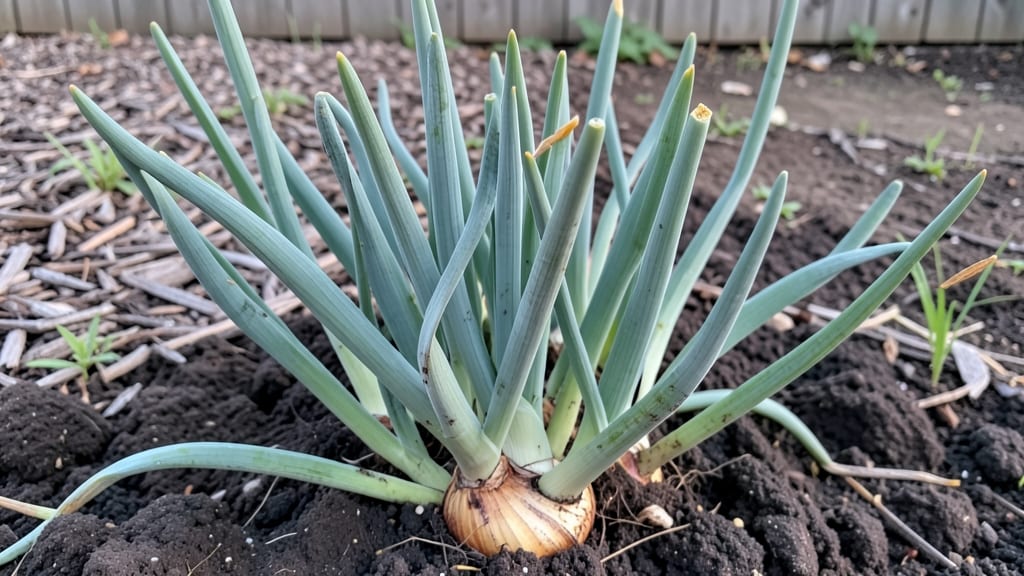
Onion grass in lawns turns your well-manicured yard into a battleground of wiry, yellowish clumps that refuse to behave.
I’ve wrestled with it for years, and the key to winning is knowing exactly how to spot it—those long, flat blades with a papery texture that feels almost like onion skins when you pull them.
The frustration comes when you realize it’s not just an eyesore; it crowds out your good grass and spreads relentlessly if ignored.
Most people reach for herbicides first, but I’ve found the quickest results come from a mix of manual removal and natural suppression. Grab a sharp spade or dandelion digger on a dry day, and you can pull out entire root systems in under an hour. The secret?
Target the clumps when the soil is soft after rain, and you’ll see them come up cleanly—no stubborn bits left to regrow.
For stubborn patches, a 3% hydrogen peroxide spray (mixed 1:1 with water) kills the roots without harming your lawn, and you’ll notice improvement within 10-14 days of consistent treatment.
What you’ll end up with is a lawn that stays thick and green, not patchy and yellow. The onion grass won’t stand a chance when your grass fills in, and the best part? You skip the chemical residue and the risk of damaging your soil.
Once the clumps are gone, overseeding with a dollar-a-pound ryegrass mix smothers any remaining weeds while giving your lawn a lush, competitive edge.
This works in any climate, but the timing matters: spring and fall are the best seasons to attack it before it spreads. If your lawn is already thin, fix that first—healthy grass is the ultimate onion grass deterrent. Let’s get those clumps out for good.
Why it happens
Onion grass (Romulea spp.) isn’t your average lawn weed—it thrives in specific conditions that often go unnoticed until it’s too late. Understanding why it takes over your lawn is the first step to stopping it naturally.
Below, we break down the real reasons this stubborn grass spreads, backed by science and actionable insights.
🌱 1. Poor Soil Conditions
Onion grass loves disturbed, nutrient-poor, or compacted soil—the kind that’s often left behind after construction, heavy foot traffic, or poor lawn care. Here’s why:
- Low organic matter: Onion grass thrives in soils with <1% organic content. Healthy lawns (5%+ organic matter) crowd it out by dominating root space and nutrient access.
- High clay or sand content: Compacted clay or overly sandy soils prevent proper drainage, creating pockets where onion grass seeds germinate. Its fibrous roots prefer these tight spaces.
- pH imbalances: Onion grass tolerates acidic to neutral pH (5.0–7.0), while most lawn grasses (like Kentucky bluegrass or fescue) struggle below pH 6.0. Test your soil—if it’s <6.5, onion grass sees an open invitation.
Pro tip: 💡 Conduct a DIY soil test (vinegar + baking soda method) or use a $20 kit. Amend with compost or peat moss to boost organic matter and adjust pH with lime (to raise pH) or sulfur (to lower pH).
💧 2. Overwatering or Irrigation Issues
Onion grass is a drought-tolerant opportunist—it doesn’t need much water, but it hates competition from deep-rooted grasses. Here’s how watering habits help it win:
- Shallow watering: Onion grass germinates just 0.25 inches below the surface. Frequent light watering (e.g., daily sprinklers) keeps the topsoil moist, encouraging its seeds to sprout while starving deeper-rooted grasses.
- Poor drainage: Standing water or soggy patches create anaerobic (oxygen-poor) zones. Onion grass roots thrive in low-oxygen conditions, while turfgrass suffocates.
- Overhead irrigation: Sprinklers spread seeds from neighboring lawns or gardens. Unlike turfgrass, onion grass spreads via bulb-like corms, which hitchhike on water droplets.
Pro tip: 🌡️ Water deeply 2–3 times per week (1–1.5 inches total) to encourage deep turfgrass roots. Fix drainage with sand top-dressing or French drains in low spots.
🌿 3. Lawn Thinning or Bare Spots
Onion grass is a gap filler—it exploits any opening in your turf. Common culprits include:
- Thin turfgrass: Lawns with <50% coverage leave room for onion grass to establish. Causes include disease, pests, or improper mowing (cutting too short weakens roots).
- Foot traffic or pet urine: Compacted areas from walking or concentrated urine kill grass but leave soil intact—perfect for onion grass corms to sprout.
- Seasonal dieback: Dormant patches in winter or summer (common with cool-season grasses) create temporary "safe zones" for onion grass to invade.
Pro tip: ✨ Reseed bare spots with dense, competitive grasses like tall fescue or perennial ryegrass. Overseed in early fall when soil temps are ideal (60–75°F).
🌍 4. Seed Spread from Nearby Sources
Onion grass doesn’t spread via roots—it relies on corms and seeds. Here’s how it infiltrates your lawn:
- Wildflower mixes or native plantings: Many "wildflower" seed blends include onion grass as a filler. Check labels—brands like Wildseed Farms or Butterfly Haven sometimes include it.
- Birds and wildlife: Onion grass corms are eaten by birds, then dispersed via droppings. A single bird can spread hundreds of corms in a season.
- Contaminated mulch or compost: Bulk mulch or homemade compost may contain dormant onion grass corms. Heat-treated mulch reduces this risk.
Pro tip: 🔥 Inspect new plants for onion grass before planting. If you spot it in garden beds, remove corms by hand (they’re round and white, like tiny onions) and dispose of them in sealed bags.
Practical ways to remove onion grass naturally
Discovering onion grass (or wild onion/garlic) popping up in your lawn can feel like a frustrating game of hide-and-seek—especially when it keeps coming back. The good news? You don’t need harsh chemicals to banish it.
Below, we’ve mapped out targeted solutions based on the most common causes, from overgrown clumps to stubborn regrowth. Each fix is designed to be effective, eco-friendly, and easy to execute—even for weekend gardeners.
###
🌱 Cause: Overgrown Clumps (Visible Patches)
If you’re seeing thick, mature patches of onion grass with long, grass-like blades and a pungent aroma when crushed, the first step is manual removal. This method works best for established plants that haven’t yet spread seeds.
-
🔥 Timing is Key:
Pull or dig up the plants when the soil is moist but not soggy—early morning or after rain is ideal. Avoid dry conditions, as the roots may snap off, leaving fragments to regrow.
-
👨🍳 Grab the Roots:
Use a hand trowel or garden fork to loosen the soil around the base, then grasp the plant at the soil line and pull upward with steady pressure. For stubborn roots, wiggle the tool side-to-side to dislodge them completely.
-
🧹 Dispose Properly:
Place pulled plants in a sealed trash bag (not compost)—even small root fragments can sprout new plants. Double-check the area for missed pieces; a quick sweep with a rake helps.
-
🌡️ Solarize the Soil (Optional):
For large patches, cover the area with clear plastic sheeting for 4–6 weeks during hot, sunny weather. The trapped heat will kill remaining roots and seeds. Secure edges with rocks or soil to prevent wind damage.
💡 Pro Tip: Mark the area with flags or spray paint to avoid mistreating it as bare soil later. Let it recover with desired grass seed or mulch after treatment.
###
🌿 Cause: Seed Spread (New Sprouts Popping Up)
Onion grass spreads via seeds, which can lie dormant in the soil for years. If you’re seeing tiny, grass-like shoots in new areas, you’ll need a two-pronged approach: remove existing plants and prevent future germination.
-
🔪 Hand-Weed or Mow Strategically:
For small sprouts, snip them at the base with scissors or a string trimmer. Mow the lawn regularly at 3–4 inches to weaken new growth before it matures.
-
🌡️ Vinegar Treatment (Natural Herbicide):
Mix 1 gallon of white vinegar (5% acetic acid) + 1 oz. dish soap + 1 cup salt. Spray directly on onion grass (avoid desired plants!) on a sunny, wind-free day. Reapply every 3–5 days until the weeds die. Note: This kills all vegetation—use in spots or edges.
-
🎯 Prevent Regrowth:
Apply a corn gluten meal pre-emergent (20 lbs. per 1,000 sq. ft.) in early spring to block seed germination. Water lightly after application to activate it.
✨ Prevention Hack: Overseed your lawn with dense, competitive grass varieties (like tall fescue or Kentucky bluegrass) to crowd out weeds naturally.
###
🌦️ Cause: Poor Lawn Health (Thin or Weedy Turf)
Onion grass thrives in weak, nutrient-deficient lawns. If your grass is sparse or struggling, it’s an open invitation for weeds. Fix the underlying issues to starve out onion grass long-term.
| Problem | Solution |
|---|---|
| Compacted Soil |
Rent a core aerator to pull soil plugs (1–2 times/year). Top-dress with compost (¼ inch layer) to improve drainage and fertility. |
| Nutrient Deficiency |
Test your soil (DIY kits available at garden centers) and amend with organic fertilizer (e.g., 10-10-10 or compost tea). Focus on nitrogen (N) for green-up and potassium (K) for root strength. |
| Improper Mowing |
Adjust your mower to never remove more than ⅓ of the grass blade at once. Alternate mowing patterns to avoid soil compaction. |
| Watering Issues |
Water deeply 2–3 times/week (early morning) to encourage deep roots. Avoid shallow, frequent watering, which promotes weed growth. |
💡 Pro Tip: If your lawn is over 50% weeds, consider scalping (mowing very short) + reseeding in fall for a fresh start.
###
🛡️ Prevention Tips for the Future
Once you’ve tackled onion grass, keep it from staging a comeback with these low-maintenance habits:
- 🌱 Stay Vigilant: Inspect your lawn monthly for new sprouts, especially after rain or mowing.
- 🌡️ Mulch Garden Borders: Use 3–4 inches of wood chips or straw around flower beds to block seed spread from garden to lawn.
- 🎯 Choose Native Grass Seed: Opt for local, drought-tolerant grasses that outcompete weeds naturally.
- 🚫 Avoid Over-Fertilizing: Too much nitrogen can make your lawn soft and weed-prone. Follow package rates.
- 🔄 Rotate Herbicides (If Needed): If using synthetic herbicides, alternate active ingredients (e.g., mesotrione and 2,4-D) to prevent resistance.
With consistency, your lawn can go from onion grass hotspot to a lush, weed-resistant carpet in just a season. The key? Act fast, stay proactive, and give your grass the care it craves.
Frequently asked questions
How do I tell onion grass apart from regular grass?
Onion grass has long, flat blades with a papery texture and a distinct onion-like smell when crushed. Unlike regular grass, it grows in clumps and often has a yellowish tint. Pull up a sample—onion grass roots look like tiny white bulbs (corms), while grass roots are fibrous.
Will mowing alone get rid of onion grass?
No, mowing just cuts the tops and can spread seeds if you don’t bag the clippings. For best results, pull or dig up the entire plant (roots and all) when the soil is moist. Repeated mowing weakens it over time but won’t eliminate the roots.
Can I use vinegar to kill onion grass without harming my lawn?
Only in spot treatments! A mix of 1 gallon white vinegar + 1 oz. dish soap + 1 cup salt works as a natural herbicide, but it kills all vegetation. Apply directly to onion grass on sunny days and avoid spraying your desired grass. For large areas, use a targeted spray bottle.
Why does onion grass keep coming back after I remove it?
Onion grass spreads via seeds and corms (tiny bulbs) that can lie dormant for years. Even small root fragments left in the soil will regrow. To prevent regrowth, solarize the area (cover with plastic for 4–6 weeks) or apply corn gluten meal as a pre-emergent in early spring.
Is onion grass toxic to pets or children?
No, it’s not toxic, but the strong onion/garlic odor can irritate sensitive pets or kids with allergies. If ingested in large amounts, it may cause mild stomach upset, but it’s not dangerous. Always supervise pets in treated areas until the plants decompose.