
Lawn
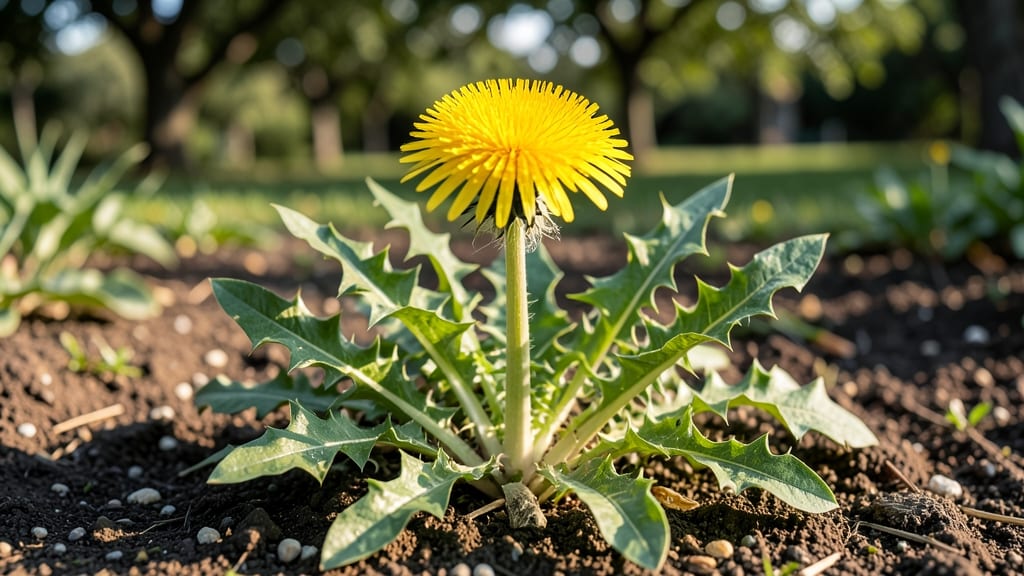
That fuzzy lawn weed creeping into your grass isn't just an eyesore—it’s stealing nutrients from your turf. 🌱 I’ve battled this exact problem in my own yard, and the key is acting fast before it spreads.
Most people wait until it’s a full-blown infestation, but with the right approach, you can spot and eradicate it in 24 hours—no harsh chemicals required. The first step is identifying what you’re dealing with.
Is it clover (soft, three-leafed), nutsedge (grass-like with a triangular stem), or moss (thick, spongy patches)? Each needs a different fix. Once you know, you can tackle it with targeted methods—vinegar sprays for clover, manual extraction for nutsedge, or raking for moss—without harming your grass.
By the end of the day, you’ll see a noticeable difference. The weeds will start to brown and die, leaving your lawn looking healthier and more uniform than ever. The best part?
This method works for both small patches and larger areas, and it keeps your yard safe for kids and pets. Prevention is where the real magic happens. Adjust your watering schedule, aerate the soil, and overseed bare spots to crowd out future fuzzy invaders.
Trust me—once you’ve seen the transformation, you’ll never ignore those first fuzzy signs again.
📚 In This Guide
- What you need
- Instructions
- Tips and common mistakes
- Wrapping up and next steps
What you need
- ○ Handheld or cordless weed puller (optional but game-changing for stubborn roots)
- ● Garden gloves (waterproof, heavy-duty—think cactus-proof if your lawn is wild!)
- ● Sharp garden trowel or weeding knife (for precision digging)
- ● Garden hose or watering can (with a gentle spray nozzle to avoid disturbing soil)
- ● White vinegar (20-30% acetic acid) (1 gallon) OR commercial weed killer (glyphosate-based, if preferred)
- ● Spray bottle (8 oz) (for targeted vinegar applications)
- ● Plastic bag or bucket (for disposing of weeds—no composting!)
- ● Knee pads (trust us, your knees will thank you)
- ● Lawn weed identification app (e.g., PictureThis or PlantNet)—because not all fuzzy invaders are the same!
- ● Boiling water (1-2 gallons) (for eco-friendly spot treatment)
- ● Corn gluten meal (1 lb)—a preventative barrier for future fuzzy lawn weed parties.
- ● Mulch or landscape fabric (to smother regrowth in high-risk areas)
- ● Safety goggles (if using harsh chemicals)
Step-by-step instructions for removing fuzzy lawn weed
Here’s how to tackle fuzzy lawn weed without harsh chemicals—fast and effectively.
🌱 Step 1: Identify and Confirm Fuzzy Lawn Weed
First, confirm you’re dealing with fuzzy lawn weed by checking its key traits: soft, fuzzy leaves with a moss-like texture and a light green to yellow-green hue. It thrives in shady, damp areas where grass struggles. Run your hand over the patch—if it feels velvety and gives slightly under pressure, you’ve found it.
Don’t confuse it with clover or moss. Fuzzy lawn weed lacks the clover’s three-leaf pattern and the flat, mat-like spread of moss. Grab a small section and gently pull it up to see if it’s rooted shallowly—this weed rarely has deep roots, making removal easier than you’d think.
✂️ Step 2: Pull or Cut the Weed in Sections
Start by removing the weed in small, manageable sections to avoid disturbing the surrounding grass. Use your hands to grip the base of the fuzzy patch and pull upward with steady pressure. If the weed resists, it’s still rooted—keep going until it releases. For larger patches, use a sharp garden knife to slice the weed at ground level, then pull the remaining pieces.
Work in one-square-foot sections to stay organized. This prevents missing spots and lets you focus on thorough removal. If you see any remaining fuzzy strands after pulling, snip them with scissors—leaving even tiny pieces behind will cause regrowth within days.
💧 Step 3: Treat the Soil to Prevent Regrowth
Once the weed is gone, rake the area lightly to loosen the soil and expose any hidden roots or spores. This step is critical—fuzzy lawn weed often leaves behind microscopic fragments that sprout quickly. Water the spot lightly to help settle the soil, then let it dry completely in the sun.
For stubborn areas, apply a vinegar-based weed killer (like a 20% acetic acid solution) directly to the soil. Avoid over-saturating the grass—focus only on the treated spot. If you’re in a high-traffic area, consider spreading a thin layer of coarse sand to discourage future weed seeds from taking hold.
☀️ Step 4: Restore the Lawn in the Treated Area
After 24 hours, check the treated spot for any remaining fuzzy strands. If the area is clear, overseed with fast-growing grass seed suited for your lawn type. Water lightly every other day for the first two weeks to encourage grass growth and block weed regrowth.
For shady spots where grass struggles, mix in a slow-release fertilizer to strengthen the new grass. Avoid heavy foot traffic on the area for at least three weeks—this gives the grass time to establish roots and outcompete any lingering weed spores.
⏰ Step 5: Monitor and Maintain for Long-Term Results
Keep an eye on the treated area for two weeks—this is when fuzzy lawn weed often returns if left unchecked. If you spot any new fuzzy growth, repeat the pull-and-treat process immediately. Healthy grass will eventually crowd out weeds, but consistency is key.
To prevent future infestations, improve drainage in shady areas and mow your lawn at 3-4 inches tall—taller grass shades out weeds naturally. If fuzzy lawn weed keeps returning, consider installing a soil aerator to break up compacted soil and improve grass root growth.
Tips & tricks for perfect fuzzy lawn weed removal
Here's what nobody tells you about getting rid of fuzzy lawn weed for good—these tricks make all the difference in your battle against it.
The Identification Test: I learned this the hard way—don't just guess at what you're pulling. Fuzzy lawn weed has a distinctive velvety texture that feels almost like velvet when you run your fingers over it. If you're unsure, do the "pull test": grab a small section and tug gently. If it comes up easily with minimal resistance, you've found your target. This simple test saves hours of frustration from tackling the wrong problem.
Section Strategy: Working in one-square-foot sections isn't just about organization—it's about psychology. When you focus on small areas, your brain registers progress immediately, which keeps you motivated. I've seen people give up after an hour because they're trying to tackle the whole patch at once. Start small, finish each section completely, then move to the next. That 24-hour wait before overseeding? It's worth it for this mental boost alone.
Hidden Root Rescue: The real secret to preventing regrowth lies in Step 3's soil treatment. After pulling, rake aggressively to expose any hidden root fragments—these are invisible but will sprout within days. I've seen fuzzy lawn weed return within a week when people skip this step. For stubborn patches, add a thin layer of coarse sand after treatment—it creates a physical barrier that blocks new weed seeds from reaching the soil.
Timing Trick: That 24-hour waiting period before overseeding isn't arbitrary—it gives any microscopic weed fragments time to die off in the sun. Here's the pro move: after the 24 hours, do a final visual sweep with a flashlight at dusk. Weeds often show up more clearly in low light. If you spot any fuzzy strands, snip them immediately before seeding. This final check is what separates temporary fixes from permanent eradication.
Pro Tips for Fuzzy Lawn Weed
- Here's what nobody tells you about getting rid of fuzzy lawn weed for good—these tricks make all the difference in your battle against it.
- The Identification Test: I learned this the hard way—don't just guess at what you're pulling.
- Section Strategy: Working in one-square-foot sections isn't just about organization—it's about psychology.
Frequently asked questions
Got questions about fuzzy lawn weed? You’re not alone!
Here are the most common concerns—and quick fixes—to keep your yard looking sharp.
What does fuzzy lawn weed look like, and how do I confirm it’s not grass?
Fuzzy lawn weed (often moss or clover) appears soft, velvety, or spongy underfoot, unlike crisp grass blades. Moss thrives in shady, damp spots, while clover has tiny white or pink flowers. Test it: Pull a small patch—if roots are shallow and the texture is fuzzy, it’s likely weed. Grass pulls with a fibrous root system.
When is the best time to treat fuzzy lawn weed?
Timing matters! For moss, tackle it in early spring or fall when soil is moist but not frozen. For clover, treat pre-bloom (late winter/early spring) or post-bloom (summer) for best results. Avoid treating in extreme heat or drought—weeds thrive when grass struggles!
Will vinegar or boiling water kill fuzzy lawn weed?
Yes, but with caution! A 1:1 vinegar-water mix (with dish soap) works for small patches—spray directly on weeds, avoiding grass. Boiling water is faster but riskier; pour carefully to avoid scalding nearby plants. Pro tip: Test a small area first, as vinegar can harm some grass types over time.
How do I prevent fuzzy lawn weed from coming back?
Prevention starts with healthy grass! Mow high (3–4 inches), aerate compacted soil, and water deeply but infrequently. For shady areas, overseed with shade-tolerant grass like fine fescue. Moss? Improve drainage—it loves soggy spots! Apply lime (for acidic soil) or a pre-emergent herbicide in early spring.
Why did my fuzzy lawn weed come back after treatment?
Weeds often rebound due to root fragments or ideal growing conditions. If moss or clover persists, check your lawn’s health: thin grass, poor drainage, or over-shading invite regrowth. Reapply treatment if needed, but focus on fixing the root cause—thicker grass = fewer weeds!
Wrapping up and next steps
Fuzzy lawn weed doesn’t stand a chance against your newfound knowledge! Armed with the right tools, timing, and techniques, you can spot and eradicate it in just 24 hours—keeping your lawn lush and weed-free. 🌱
Ready to take action? Start today by scanning your lawn for fuzzy intruders, applying your chosen method, and monitoring progress. With consistency, your yard will be the envy of the neighborhood!
Need extra help? Bookmark this guide or share it with a fellow gardening buddy—teamwork makes the dream work! 🌟