
Plants
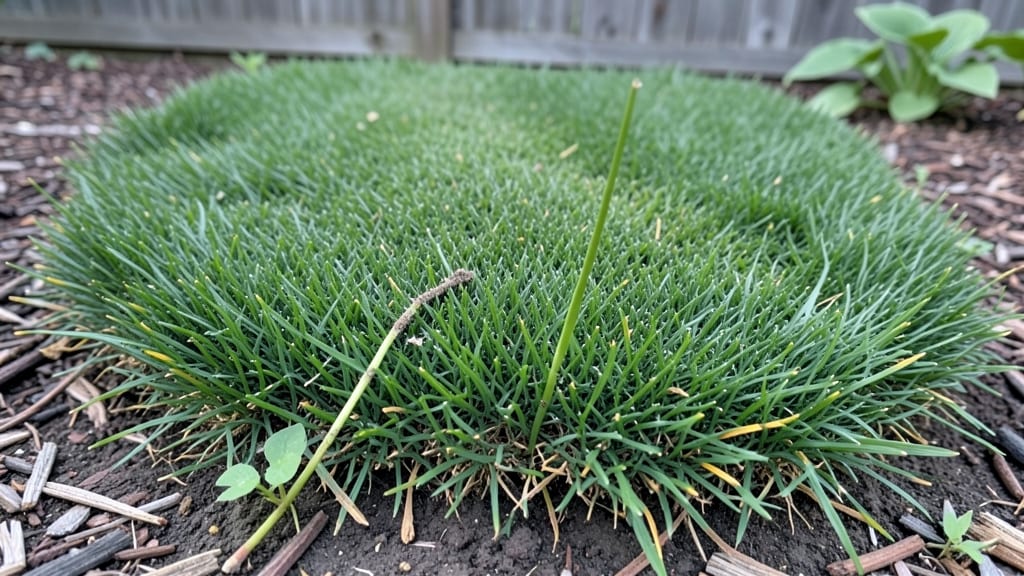
Growing First Knight grass 🌱 transforms your yard into a lush, low-maintenance carpet that outlasts summer heat and winter chill—if you time it right.
Tired of patchy lawns that turn brown in summer or struggle in winter? First Knight grass delivers a dense, resilient turf that stays vibrant year-round—if you know how to plant and care for it properly.
This cool-season grass thrives in USDA Zone 6a, where spring planting (April–May) sets the stage for thick growth by summer. Unlike high-maintenance turf, it handles drought better than Kentucky bluegrass and stays green longer than fescue.
Here’s how to plant it for a thick, weed-resistant lawn that needs less mowing and watering—plus seasonal care tips to keep it looking its best all year.
First Knight grass planting guide: best techniques for dense, fast establishment
If you're dreaming of a thick, emerald-green lawn that stays vibrant through summer heat and winter chill, First Knight grass is your best bet—but only if you plant it right.
This cool-season grass thrives when given the perfect start, and that begins with soil prep, precise seeding, and smart timing. Whether you're seeding a new lawn or overseeding an existing one, these proven techniques will give you the dense, fast establishment you crave.
Unlike some grasses that struggle with uneven germination, First Knight grass responds beautifully to consistent moisture and proper soil conditions. The key lies in preparing the soil, choosing the right seeding rate, and protecting your new seedlings with post-planting care.
Follow these steps, and you'll be rewarded with a lush, resilient lawn that outshines patchy competitors.
Test and Prepare Soil
Use a soil test kit to check pH (ideal: 6.0–7.0). Amend with compost or peat moss if soil is sandy or clay-heavy. Remove all weeds and debris—even small roots compete with seedlings.
Choose the Right Time
Plant 4–6 weeks before your last frost date (typically April–May in most regions). Avoid seeding in extreme heat—soil temps above 85°F slow germination.
Seed with Precision
Use 1/4 lb of seed per 100 sq ft. Spread evenly with a broadcast spreader for uniform coverage. Lightly rake seeds into soil (1/8 inch deep) to ensure soil contact.
Keep Soil Moist
Water lightly 2x daily (morning/evening) until germination (7–14 days). After sprouting, water 1 inch per week, favoring deep soakings over frequent light watering.
Protect New Growth
Use a lightweight straw mulch (1/4 inch thick) to retain moisture and deter birds. Avoid foot traffic until grass reaches 3 inches tall—trampling stunts root growth.
One of the biggest mistakes new gardeners make is overwatering or underwatering during the critical first 3 weeks of growth. First Knight grass seeds need consistent moisture, but soggy soil leads to rot.
Aim for damp, not saturated, soil—think of a wrung-out sponge. A simple trick? Stick your finger 1 inch deep—if it’s dry, water lightly.
After your grass reaches 3–4 inches tall, it’s time to mow for the first time. Never cut more than 1/3 of the blade height—so if it’s 4 inches, set your mower to 3 inches.
This rule prevents shock and thinning, ensuring your lawn stays dense and resilient. Use a sharp mower blade to avoid tearing grass, which invites disease.
For overseeding existing lawns, focus on thin or bare patches. Lightly rake the area to loosen soil, then apply seed and compost mixture. Water daily for 2 weeks to encourage strong root establishment.
This method works best in early fall when temperatures are mild, reducing stress on new seedlings.
If you’re planting in shady areas, know that First Knight grass tolerates partial shade but thrives in full sun. For shadier spots, mix seeds with fine fescue to improve coverage. Avoid dense shade—grass will struggle to establish without at least 4 hours of sunlight daily.
Patience is key when growing First Knight grass. While you’ll see sprouts in 7–14 days, full establishment takes 6–8 weeks. During this time, resist the urge to fertilize—young roots need time to develop.
Instead, focus on watering and mowing correctly to build a strong foundation for years of lush growth.
Once your lawn is established, you’ll love how First Knight grass handles foot traffic, drought, and even light frost. With the right planting techniques, you’ll enjoy a vibrant, low-maintenance lawn that’s the envy of the neighborhood. Happy planting! 🌱
First Knight grass care schedule: watering, mowing, and fertilizing for year-round health
Keeping your First Knight grass lush and vibrant requires a seasonal care schedule tailored to its needs. Unlike some grasses that struggle in heat or cold, First Knight thrives with the right balance of watering depth, mowing height, and fertilizer timing.
Let’s break down the essential steps to prevent browning, thinning, or weak growth—so your lawn stays green year-round.
One of the biggest mistakes gardeners make is overwatering in summer or skipping fertilization in spring. First Knight grass needs consistent moisture but hates soggy roots, while it benefits from balanced nutrients during its active growing months.
By following this schedule, you’ll avoid common pitfalls like drought stress or nutrient deficiencies that lead to patchy lawns.
Season
Watering
Mowing Height
Fertilizer
Key Tips
Spring (Apr-May)
1 inch per week
2.5–3 inches
Balanced 10-10-10
Encourage root growth
Summer (Jun-Aug)
1.5 inches every 5-7 days
3–3.5 inches
Slow-release fertilizer
Water early morning
Fall (Sep-Oct)
1 inch bi-weekly
2–2.5 inches
Light nitrogen feed
Prep for winter dormancy
Winter (Nov-Mar)
Minimal; 0.5 inch monthly
Leave tall (3 inches)
None
Avoid mowing frozen grass
In spring, focus on deep watering to rehydrate roots after winter dormancy. Use a 10-10-10 balanced fertilizer to kickstart growth, but avoid over-fertilizing—this can burn tender new blades. Mow at 2.5–3 inches to shade the soil and retain moisture, which is critical during warm-up periods.
Summer is when First Knight grass needs the most attention. Increase watering to 1.5 inches every 5–7 days, but always water in the early morning to reduce evaporation and fungal risks.
Raise your mower blade to 3–3.5 inches to protect the grass from heat stress and encourage deeper roots. Switch to a slow-release fertilizer to provide steady nutrients without overwhelming the plant.
As fall approaches, reduce watering to bi-weekly and lower the mowing height slightly to 2–2.5 inches. Apply a light nitrogen feed in early fall to strengthen roots before winter.
This prepares the grass for dormancy and helps it bounce back faster in spring. Avoid fertilizing after mid-October, as new growth can be damaged by early frosts.
During winter, First Knight grass enters dormancy, so minimal care is needed. Water monthly with just 0.5 inch to prevent soil from drying out completely.
Never mow frozen grass—wait until temperatures rise above 40°F before resuming maintenance. Leaving the grass taller (around 3 inches) provides insulation against cold snaps.
By following this seasonal care schedule, your First Knight grass will stay dense, green, and resilient through every season. The key is consistency—whether it’s deep watering, proper mowing heights, or timely fertilization.
With these habits, you’ll transform patchy lawns into a lush, low-maintenance carpet of grass year-round. 🌱