
Lawn
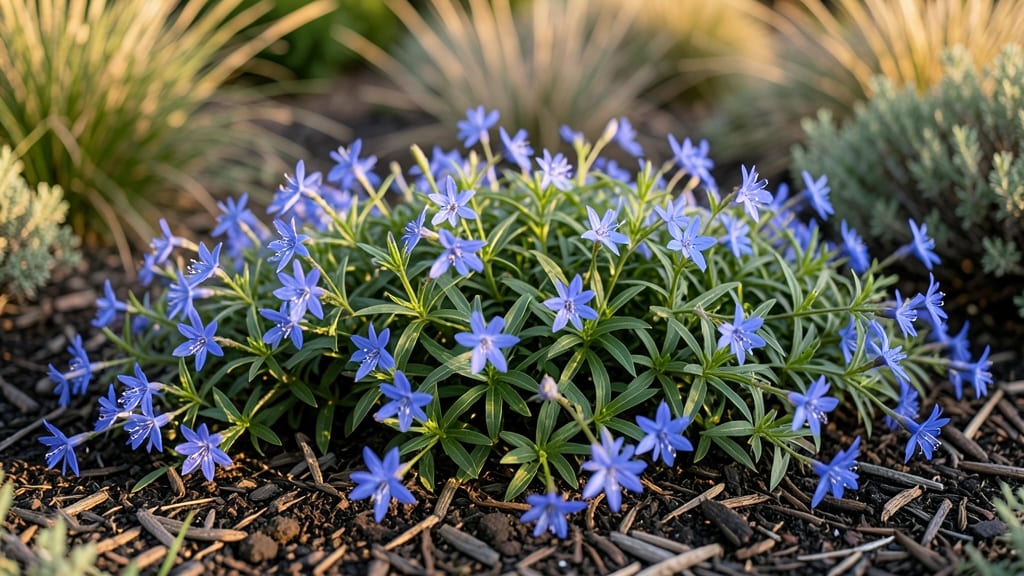
Your lawn could look like a vibrant blue carpet all year long—no mowing required. 🌿 Blue star creeper (Isanthus zanzibarensis) transforms dull grass into a lush, low-maintenance ground cover that thrives in sun or shade.
The secret lies in its adaptability: it spreads elegantly, handles foot traffic, and blooms with tiny star-shaped flowers that add texture to any landscape. Planting is simpler than you think—just prepare the soil with compost, space plants 12-18 inches apart, and water deeply for the first few weeks.
Unlike grass, blue star creeper doesn’t need frequent trims; a light trim in spring keeps it tidy while encouraging denser growth. The result? A soft, drought-tolerant lawn that stays green even when traditional grass wilts under summer heat.
By late summer, you’ll notice clusters of sky-blue flowers peeking through the foliage, attracting pollinators while adding a whimsical touch. The best part? It chokes out weeds naturally, so you’ll spend less time pulling unwanted plants. Perfect for sunny yards, shady corners, or even as a living mulch under trees.
For larger areas, start with plugs or bare-root plants in early spring. If spread feels too aggressive, trim the edges regularly or plant in containers. Once established, this ground cover needs minimal care—just occasional watering and an annual top-dressing of compost. Your lawn will thank you for the upgrade!
📚 In This Guide
- What you need
- Instructions
- Tips and common mistakes
- Wrapping up and next steps
What you need
- ● Blue Star Creeper Plants: Seeds: 1–2 lbs per 100 sq. ft. (start indoors 8–10 weeks before last frost)
- ● OR Nursery plugs: 1 plant per 12–18 inches (spaced for full coverage)
- ● OR Sod sheets: Pre-grown mats (check local availability)
- ● Soil Prep: Well-draining potting mix or garden soil (amend with compost for fertility)
- ● Organic mulch (pine straw or shredded bark, 2–3 inches thick)
- ● Tools: Garden trowel or transplanting spade
- ● Hoe or rake (for soil leveling)
- ● Watering can or hose with gentle spray nozzle
- ● Pruners (for trimming after planting)
- ● Slow-release fertilizer (10-10-10 or organic options like fish emulsion)
- ● Edging tools (to define borders neatly)
- ● Plant markers (to track spacing if using seeds)
- ● Drip irrigation system (for consistent moisture)
- ● Full sun to partial shade (6+ hours of sunlight daily for best color)
- ● USDA Hardiness Zones 7–11 (check local climate suitability)
- ● Well-draining soil (avoid waterlogged areas)
Step-by-Step guide to establishing a lush blue star creeper lawn
This drought-tolerant ground cover thrives with minimal fuss—just follow these precise steps for a vibrant, low-maintenance carpet of color.
🌱 Step 1: Prepare the Soil for Optimal Growth
Blue star creeper (Isotoma fluviatilis) flourishes in well-draining soil with a slightly acidic to neutral pH (6.0-7.0). Start by removing all existing grass, weeds, and debris from your lawn area using a sod cutter or manual digging. Work the soil to a depth of 6-8 inches, breaking up any compacted layers with a garden fork or tiller.
Incorporate 2-3 inches of compost into the top 4 inches of soil to improve fertility and drainage. For heavier clay soils, mix in sand or perlite to create a looser texture. Test your soil's moisture retention by squeezing a handful—it should hold together lightly but not feel soggy. This preparation ensures your blue star creeper establishes strong roots quickly.
🪴 Step 2: Plant Blue Star Creeper in the Right Configuration
Blue star creeper spreads aggressively but controllably, making it ideal for ground cover. For a 4,000-square-foot lawn, you’ll need approximately 200 linear feet of 12-inch plantings spaced 12 inches apart. Start by laying out your plants in a staggered pattern, similar to brickwork, to ensure full coverage without gaps.
Dig small holes just deep enough to accommodate the root ball, typically 1-2 inches deeper than the container’s base. Gently remove each plant from its container, loosen the roots if they’re circling, and place it in the hole. Backfill with soil, pressing lightly around the base to eliminate air pockets. Water deeply immediately after planting to settle the roots into place.
☀️ Step 3: Provide Water and Light for Establishment
During the first 4-6 weeks after planting, keep the soil consistently moist but never waterlogged. Water deeply 2-3 times per week, aiming for 1 inch of water per session. You’ll know you’ve watered enough when the top 2 inches of soil feel damp but not saturated. Avoid overhead watering, which can encourage fungal diseases—use a soaker hose or drip irrigation instead.
Blue star creeper thrives in full sun to partial shade, with at least 4-6 hours of direct sunlight daily. If planting in hot climates, provide afternoon shade during the first growing season to reduce stress. Watch for new growth emerging within 2-3 weeks—this signals successful establishment. Once fully rooted, the plant becomes drought-tolerant and requires minimal watering.
✂️ Step 4: Maintain for Year-Round Vibrancy
Prune blue star creeper lightly in early spring to remove any dead or damaged stems and encourage bushier growth. Avoid heavy pruning, as this plant relies on its foliage for its striking appearance. If you notice leggy growth or bare spots, trim back overgrown areas to 3-4 inches from the base to stimulate new shoots.
Fertilize sparingly—blue star creeper doesn’t require heavy feeding. Apply a balanced, slow-release fertilizer (10-10-10) in early spring at a rate of ½ pound per 100 square feet. Over-fertilizing can lead to excessive leaf growth at the expense of its signature blue flowers. Mulch lightly with 1-2 inches of organic mulch to retain moisture and suppress weeds without smothering the plant.
⏰ Step 5: Monitor and Adjust for Long-Term Success
Check your blue star creeper lawn monthly for signs of pests or disease. Spider mites and aphids may occasionally appear, but they rarely cause significant damage. If needed, treat with neem oil or insecticidal soap as a preventive measure. Avoid chemical pesticides, which can harm beneficial insects and disrupt the plant’s natural resilience.
Adjust your care routine seasonally: reduce watering in fall and winter to once every 1-2 weeks, and resume deeper watering in spring as new growth appears. By year two, your blue star creeper should form a dense, self-sustaining ground cover that requires little more than occasional trimming and seasonal adjustments. The result? A lush, low-maintenance lawn that blooms with vibrant blue stars year after year.
Tips & tricks for perfect blue star creeper ground cover
Transforming your yard into a stunning blue star creeper lawn takes just a few strategic moves—and avoiding these common pitfalls makes all the difference.
Soil Prep Precision: Don't skip the soil test! While blue star creeper thrives in 6.0-7.0 pH soil, many garden soils run slightly acidic or alkaline. Test your soil first—adjust with lime (for acidic) or sulfur (for alkaline) before planting. I've seen beautiful blue star creeper lawns fail because the soil wasn't properly balanced, even though the plants looked healthy at first. This adjustment ensures vibrant blue flowers and prevents nutrient deficiencies that show up as yellowing leaves.
Planting Pattern Pro: The staggered brickwork pattern in Step 2 isn't just decorative—it's functional. By offsetting each plant by half its width, you create a natural weave that fills gaps faster and prevents soil erosion. For larger areas, consider using a garden flag or spray paint to mark your planting lines before digging. This visual guide helps maintain consistent spacing, especially when working with 200 linear feet of plantings. Trust me on this: skipping this step leads to patchy coverage that takes years to fill in.
Watering Wisdom: Those first 4-6 weeks are critical for root establishment, but timing matters just as much as quantity. Water in the early morning (between 6-9 AM) to allow foliage to dry before evening. This simple adjustment prevents fungal diseases that can smother new growth. I've seen blue star creeper lawns develop brown spots when planted in hot climates without this morning watering routine. The top 2 inches of soil should feel like a wrung-out sponge—not dripping wet, not bone dry. A moisture meter makes this check effortless.
Seasonal Care Shortcut: Mark your calendar for early spring when you'll want to do three things simultaneously: light pruning, fertilizer application, and mulching. This triple approach works because the plant's growth cycle aligns perfectly with these maintenance tasks. For the fertilizer, I recommend spreading it on a dry day when rain is forecasted within 24 hours—this helps the granules dissolve and reach the roots efficiently. The ½ pound per 100 square feet rate might seem small, but remember: blue star creeper doesn't need much to thrive.
Pro Tips for Blue Star Creeper Lawn
- Transforming your yard into a stunning blue star creeper lawn takes just a few strategic moves—and avoiding these common pitfalls makes all the difference.
- Soil Prep Precision: Don't skip the soil test!
- Planting Pattern Pro: The staggered brickwork pattern in Step 2 isn't just decorative—it's functional.
Frequently asked questions
How fast does Blue Star Creeper spread, and how do I control its growth?
Blue Star Creeper spreads moderately fast (about 12–18 inches per year under ideal conditions). To control it, plant in contained beds or use edging. Prune back overgrowth in spring or fall to maintain neat borders. Pro tip: Mow occasionally (if tall) to encourage denser growth without losing its signature color!
When is the best time to plant Blue Star Creeper for a lawn?
The ideal planting window is early spring or early fall (March–May or September–November). Avoid summer heat or winter frost, as these stress young plants. For established lawns, plant in containers or plugs spaced 12–18 inches apart for quick coverage.
Can Blue Star Creeper handle foot traffic, or is it better for ornamental use only?
While it’s not as durable as grass, Blue Star Creeper tolerates light foot traffic (think kids playing or occasional walks). For high-traffic areas, plant it in shaded spots or pair it with hardier ground covers like creeping thyme. Avoid heavy use—it’s best as a decorative accent where color and texture matter most.
What pests or diseases should I watch for in Blue Star Creeper?
The biggest threats are spider mites, aphids, and powdery mildew (in humid climates). Prevent issues by:
If you love the blue-green hue but want options, try:
Yellowing leaves? Often a sign of overwatering—adjust to 1 inch of water weekly.
What are some alternatives to Blue Star Creeper for a blue-toned lawn?
Plant
Color & Traits
Best For
Ajuga (Bugleweed)
Deep purple-blue foliage, spreads aggressively
Shady, low-maintenance areas
Creeping Phlox
Light blue flowers, drought-tolerant
Sunny borders or rock gardens
Dwarf Mondo Grass
Dark green/blue, ultra-low growing
Formal lawns or edging
Wrapping up and next steps
Transforming your lawn into a stunning blue star creeper display is easier than you think—and the results are pure magic! 🌿 With its vibrant blue flowers and low-maintenance charm, this ground cover turns any outdoor space into a year-round masterpiece.
Whether you're a seasoned gardener or just starting, the key is patience, proper prep, and a little love.
Ready to dive in? Start small—plant a section, monitor its progress, and soon, you’ll be basking in the glory of a blue-hued lawn that turns heads. Happy planting! 🌸