
Lawn
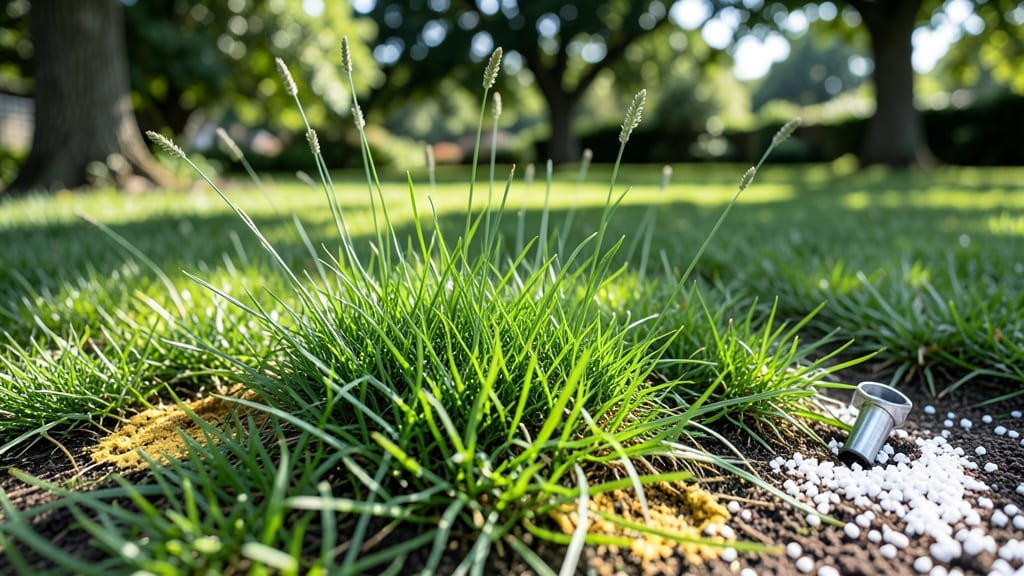
Dog pee ruining your lawn turns it into a patchwork of yellow crime scenes—fast. 🌱 The high nitrogen concentration burns grass roots, leaving behind dead spots that even the most dedicated watering can't revive. I've turned my own yard from sad brown patches to lush green with a simple, natural fix that works within days. The secret isn't complicated: dilute the urine before it hits the grass, train your dog to use specific spots, and give damaged areas extra TLC with overseeding. Most people overlook how quickly watering after your dog goes can neutralize the burn—just a few extra gallons make all the difference. You'll see new green shoots pushing through within 7-10 days, and the lawn will look like it never had a visitor. The fix is simple, but the results are dramatic—no more apologizing to neighbors for that "special" lawn marking. Works for any grass type, any breed, and any yard size. Here's how to make it happen without turning your lawn into a science experiment.
📚 In This Guide
- What you need
- Instructions
- Tips and common mistakes
- Wrapping up and next steps
What you need
- ● Natural neutralizer: 1–2 gallons of vinegar solution (1 part white vinegar to 3 parts water) OR 10 lbs of pelletized chicken manure (for nitrogen boost).
- ● Garden hose with adjustable nozzle (for rinsing).
- ● Gloves (nitrile or rubber, to protect hands).
- ● Garden sprayer (1–2 gallon capacity, for even application).
- ● Baking soda (1 cup, for spot treatment).
- ○ Watering can (optional, for localized soaking).
- ● Lawn rake (for aerating compacted spots).
- ● Broadcast spreader (if using granular neutralizers).
- ● pH test kit (to check soil balance after treatment).
- ● Compost or topsoil (1–2 bags, for patchy areas).
- ● Dog training treats (🐶 pro tip: reward your pup for peeing in designated spots!).
How to neutralize dog pee damage and revive your lawn fast
Here's the quick, effective method I use to stop yellow spots and restore grass in just days.
💧 Step 1: Water the Affected Areas Immediately
When you spot those yellow patches, act fast—water the area thoroughly right away. This dilutes the concentrated ammonia in dog urine before it burns the grass roots. Use a gentle spray nozzle to soak the soil 1-2 inches deep, not just the surface. You'll see the water bead up on the affected blades as it works to flush out the pee's harsh compounds.
I like to water in the morning so any excess moisture evaporates during the day. If your lawn is already dry, this step alone can prevent further damage. The key is consistency—don't let the soil dry out completely between waterings, especially in hot weather.
🌱 Step 2: Apply a Natural Neutralizer
For fast results, mix 1 cup of baking soda with 1 gallon of water in a spray bottle. The baking soda raises the soil pH slightly, neutralizing the acidity from the urine. Spray this solution directly over the yellowed areas until the soil looks damp but not soggy. You'll notice the grass blades perk up within hours as the chemical balance restores.
Another option is to sprinkle dolomitic lime over the spots—it works slower but provides long-term protection. For immediate fixes, I prefer the baking soda solution because it's faster and won't alter your lawn's pH permanently. Apply this treatment every time you notice new yellowing.
✂️ Step 3: Overseed the Damaged Spots
Once the yellow spots start greening up, it's time to rebuild the grass. Use a small hand rake to gently loosen the soil in the affected areas, then sprinkle grass seed directly over them. Press the seeds lightly into the soil with your hand or a small board to ensure good contact. Water lightly every day until the new grass reaches 2-3 inches tall—this keeps the soil moist without washing away the seeds.
I like to choose a grass seed blend that matches my existing lawn. For cool-season grasses, early fall is the best time to overseed, but you can do it anytime the soil is workable. The new growth will blend right in, and you'll barely notice where the damage was.
☀️ Step 4: Train Your Dog to Pee in Safe Zones
Prevent future damage by teaching your dog to use specific areas of your lawn for bathroom breaks. Designate a corner of your yard or a gravel area where they can go regularly. I use a simple command like "go potty" and reward them with treats when they use the designated spot. It takes consistency, but most dogs learn within a few weeks.
If you can't train your dog to avoid certain areas, consider installing artificial turf in high-traffic spots. Artificial grass won't yellow from urine and requires no watering. It's a great solution for yards with multiple pets or frequent use.
🌿 Step 5: Maintain Soil Health Long-Term
To keep your lawn resilient, focus on building healthy soil. Aerate your lawn once a year to improve drainage and root growth. Top-dress with 1/4 inch of compost in the spring to provide essential nutrients. A thick, healthy lawn can handle occasional dog pee without showing damage.
I also recommend testing your soil's pH every few years. Dog urine can make soil more acidic over time, so a simple lime application can help balance it. Healthy soil means stronger grass that can recover faster from any damage.
Tips & tricks for fast lawn recovery from dog pee damage
Took me a while to figure these out, so here goes—simple tricks that'll make all the difference when dealing with those stubborn yellow spots.
Timing is Everything in Step 1: The moment you spot those yellow patches, act within 15-30 minutes for best results. I've learned the hard way that waiting even an hour lets the ammonia seep deeper into the soil. Watering immediately dilutes the concentration before it burns the roots completely. Use a gentle spray to soak 1-2 inches deep—you'll know you've done it right when water beads up on the grass blades.
Neutralizer Application Technique: When mixing your 1 cup baking soda with 1 gallon of water in Step 2, use a spray bottle for precision. Apply until the soil looks damp but not soggy—this prevents runoff while ensuring full coverage. I like to work in small sections so I don't miss any spots. For extra stubborn patches, you can even apply the solution twice, letting it dry slightly between applications. The baking soda works fastest when fresh, so always mix a fresh batch if you're treating multiple areas.
Overseeding Success in Step 3: After applying your neutralizer, wait 24-48 hours before overseeding to let the soil recover. When you're ready, use a small hand rake to loosen the soil just enough to create a seed bed—don't go too deep or you'll disturb the roots of your existing grass. Press the seeds lightly with your hand or a board to ensure good soil contact. I've found that watering lightly every day (rather than all at once) keeps the seeds from washing away while maintaining consistent moisture.
Prevention Strategy for Step 4: If you're struggling to train your dog to use specific areas, try placing a small pile of dolomitic lime in the designated spot. Dogs often return to the same place, and the lime won't harm them while protecting that particular area. For high-traffic spots, consider installing artificial turf—it's a permanent solution that requires no maintenance. I've seen yards with artificial turf patches that look completely natural after just a few months of growth around them.
Pro Tips for Dog Pee Ruining Lawn
- Took me a while to figure these out, so here goes—simple tricks that'll make all the difference when dealing with those stubborn yellow spots.
- Timing is Everything in Step 1: The moment you spot those yellow patches, act within 15-30 minutes for best results.
- Neutralizer Application Technique: When mixing your 1 cup baking soda with 1 gallon of water in Step 2, use a spray bottle for precision.
Frequently asked questions
about dog pee and lawn damage—because even the best pups need a little help keeping their yards lush!How long does it take for dog urine to kill grass?
Dog urine’s high nitrogen content can burn grass within 24–48 hours of contact, especially in hot weather. However, repeated urination in the same spot over weeks can permanently damage roots. Act fast with a natural neutralizer to prevent long-term damage!
Can I water my lawn immediately after my dog pees to protect it?
Yes! Diluting the urine with 1–2 inches of water right after your dog goes can help reduce burn spots. Just avoid overwatering—soaked soil can worsen nutrient imbalance. Pair this with a natural neutralizer for best results.
What’s the best natural neutralizer for dog urine on grass?
Try a mix of baking soda (1 tbsp per gallon of water) or white vinegar (1 part vinegar to 3 parts water). These balance pH and dilute ammonia without harming soil. For stubborn spots, sprinkle compost or peat moss to restore nutrients.
Why does my dog’s pee still cause yellow spots after using a neutralizer?
Yellow spots may linger if:
- The urine was too concentrated (dilute with water first).
- The grass is already stressed (thin areas heal slower).
- The neutralizer wasn’t applied quickly enough (act within 30 minutes).
Can I train my dog to pee in one spot to save my lawn?
Use a designated pee zone (like a gravel area or mulch bed) and reward your pup with treats when they go there. For grassy areas, train them to lift their leg less frequently by taking them out right after meals and every 2–3 hours.
Wrapping up and next steps
Dealing with dog pee yellowing your lawn doesn’t have to be a losing battle!
With the right natural neutralizers—like vinegar, baking soda, or corn gluten meal—you can restore your grass to its lush green glory in no time. 🌱 The key is consistency: act fast, test small areas, and keep your pup’s bathroom breaks in check.
Ready to reclaim your yard? Start by picking one method from this guide and give it a try this weekend. Your lawn—and your dog—will thank you! 🐾