
Lawn
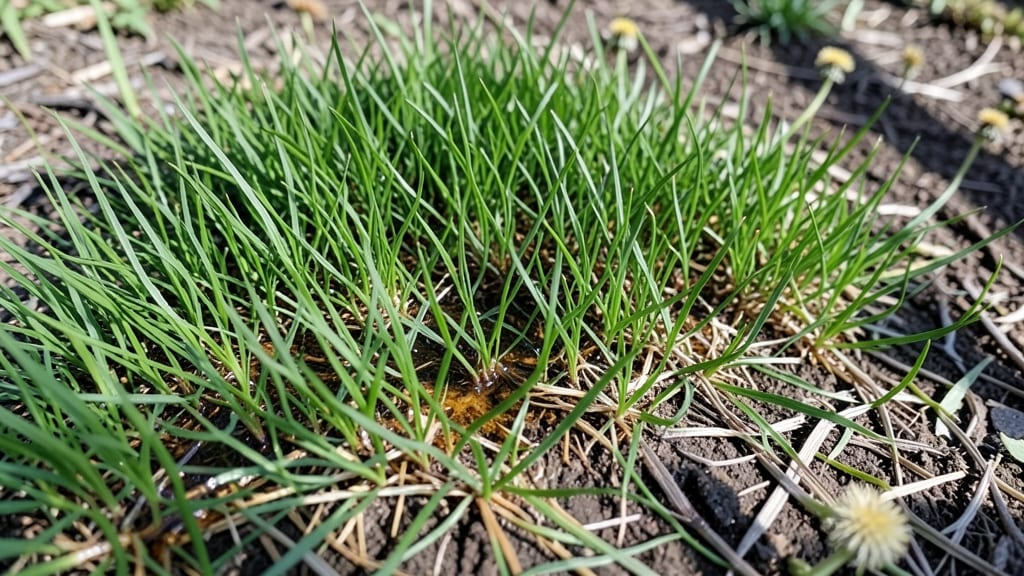
Urine burn grass repair starts with understanding why those stubborn yellow patches won’t heal. 🌱 I’ve seen lawns go from lush green to patchy deserts overnight—usually after a dog’s favorite spot becomes a permanent fixture.
The problem isn’t just the nitrogen overload; it’s the concentrated salt and acid that shock the roots, leaving grass struggling to bounce back on its own.
Here’s the good news: you don’t need harsh chemicals or expensive treatments to fix it. A three-step approach—watering to dilute the damage, soil amendments to balance pH, and reseeding with tough grass types—can restore your lawn in as little as 2-3 weeks.
The key is acting fast before the burn spreads deeper into the soil.
By the time you’re done, those yellow patches will turn rich green again, and your lawn will stay resilient against future accidents. I’ll show you exactly how to spot the damage, what to avoid (like over-fertilizing), and which grass types recover fastest.
Let’s get your lawn back to its best.
This works for both pet owners and anyone dealing with accidental urine spots—no matter the cause. The same principles apply whether you’re fixing a small patch or a larger area. Ready to revive your grass?
Why it happens
When your lawn develops unsightly yellow or brown patches after a pet’s "accident," it’s not just an eyesore—it’s a chemical reaction in action. Understanding why urine harms grass helps you take targeted steps to protect and restore your yard. Here’s a breakdown of the key culprits and their effects:
🧪 High Salt Concentration Burns Roots
Urine is packed with urea, ammonia, and salts, which act like a concentrated fertilizer when absorbed into the soil. While these nutrients can feed grass in small doses, the sudden spike in salinity creates an osmotic shock—forcing water out of plant cells and dehydrating roots. This causes:
- Cell membrane damage: Roots lose their ability to absorb water and nutrients, leading to wilting or crispy patches.
- pH imbalance: Ammonia converts to nitric acid, acidifying the soil and disrupting microbial life that grass relies on.
- Nutrient lockout: Excess salts bind to soil particles, making essential minerals like phosphorus and potassium unavailable to the grass.
Pro tip: 💡 Test your soil’s pH after multiple incidents—ideal lawn grass thrives in a neutral range (6.0–7.0).
🔥 Ammonia’s Toxic Double Whammy
When urea in urine breaks down, it releases ammonia (NH₃), a volatile compound that:
- Scorches leaf tissue: High ammonia levels act like a mild herbicide, causing necrosis (cell death) in grass blades, turning them yellow or brown.
- Disrupts photosynthesis: Chlorophyll production slows, leaving grass weak and vulnerable to disease or drought.
- Alters soil microbes: Beneficial bacteria and fungi that decompose organic matter are suppressed, further weakening the lawn’s resilience.
Key fact: 🌡️ Ammonia’s damage peaks within 24–48 hours of urination—dilution or flushing the area quickly minimizes harm.
🌱 Soil Compaction from Foot Traffic
Beyond chemistry, repeated urination in the same spot often coincides with pets (or kids!) trampling the grass. This creates:
- Physical root damage: Compacted soil reduces oxygen flow, suffocating roots and preventing recovery.
- Weakened turf density: Grass in high-traffic areas grows thinner, making it easier for weeds or fungus to take hold.
- Poor water drainage: Compacted zones hold urine longer, prolonging the chemical burn effect.
Actionable fix: ✨ Use a garden aerator in spring/fall to relieve compaction—especially in "hot spots" where urine damage recurs.
🌞 Seasonal Stress Amplifies Damage
Grass’s ability to recover from urine depends on seasonal growth cycles. During:
- Dormancy (winter): Cold slows microbial activity, so ammonia lingers longer, causing permanent discoloration.
- Drought (summer): Dehydrated grass has no reserves to dilute urine’s salts, accelerating burn.
- Rapid growth (spring): While grass can outpace minor damage, over-fertilization from frequent urine leads to "fertilizer burn" (brown patches with yellow halos).
Timing tip: ⏰ Monitor urine spots in early morning—grass recovers faster when temperatures are cooler and moisture is higher.
How to solve it
Seeing yellowed or brown patches where urine has hit your grass can be frustrating, but the good news is that recovery is possible with the right steps. Whether the damage is fresh or a few days old, these targeted solutions will help restore your lawn’s health—fast.
Below, we break down the best fixes based on the root cause of the problem, along with proactive tips to prevent future damage.
###
🌱 Fresh Damage (Within 24-48 Hours)
If you catch the issue early, your grass still has a fighting chance to bounce back. The key is to dilute the ammonia in the urine and give the soil a boost.
- 💦 Rinse the Area Immediately Use a garden hose to thoroughly flush the affected spot with water. This helps wash away concentrated ammonia before it penetrates deeper into the soil. Aim for at least 10-15 minutes of steady watering.
- 🌿 Apply a Thin Layer of Compost or Topsoil
After rinsing, sprinkle a light dusting of compost or fresh topsoil over the area. This adds beneficial microbes and nutrients to counteract the burn. Avoid piling it on—just a
¼-inch layeris enough. - 💧 Water Deeply (But Not Too Much) Give the spot a deep watering (about 1 inch of water) to help the soil recover. Overwatering can suffocate roots, so stick to the recommended amount for your grass type.
###
🔥 Established Damage (Older Than 48 Hours)
If the patch has turned brown or straw-like, the grass blades are likely dead, but the roots may still be alive. Here’s how to revive it:
- 🌱 Overseed the Affected Area Rake the dead grass lightly to loosen the soil, then sprinkle new grass seed (choose a type that matches your lawn). Press it gently into the soil and keep it moist for the next 2-3 weeks. A lawn repair mix with clover or ryegrass works well for quick recovery.
- 💡 Use a Lawn Fertilizer with Iron
Yellowing can also signal iron deficiency. Apply a slow-release iron supplement or a fertilizer with iron (like
0-0-0 + iron) to the patch. This helps restore green color while the new grass grows in. - 🛡️ Protect with Mulch or Straw Cover the seeded area with a thin layer of straw or mulch to retain moisture and block weeds. Remove it once the new grass is about 2 inches tall.
###
🚫 Prevention Tips to Keep Your Lawn Healthy
The best way to avoid urine damage is to minimize exposure and strengthen your lawn’s resilience. Here’s how:
| Problem | Solution |
|---|---|
| ⚠️ Pet accidents in the same spot | Train pets to use a designated area (like a gravel patch or artificial turf) and rinse it daily with water. |
| 🌞 Thin or weak grass | Improve soil health with organic matter (compost or peat moss) and regular mowing (never cut more than ⅓ of the blade at once). |
| 💦 Overwatering + urine buildup | Water deeply but infrequently (1-1.5 inches per week) to encourage deep roots. Avoid shallow, daily watering. |
| 🌱 Slow-growing grass types | Choose drought-tolerant grasses like Bermuda, Zoysia, or Fescue, which recover faster from stress. |
💡 Pro Tip: If you have kids or pets, consider installing a lawn sprinkler system with a timer to keep the grass hydrated and dilute any accidental urine spots before they take hold.
Frequently asked questions
Why does urine turn grass yellow or brown?
The ammonia and salts in urine create an osmotic shock that dehydrates grass roots. The high salt concentration also disrupts soil microbes and blocks nutrient absorption, causing yellowing or browning within 24-48 hours of exposure.
Can I fix urine damage if it's been there for a week?
Yes, but the approach changes. For older damage, focus on reseeding with drought-resistant grass types and applying a slow-release iron fertilizer. The roots may still be alive—give them 2-3 weeks of consistent moisture to recover.
What’s the fastest way to prevent future urine damage?
Train pets to use a designated gravel area and rinse the spot immediately after accidents. For high-risk zones, overseed with clover or ryegrass, which tolerate stress better than standard lawn grass.
Will vinegar or baking soda help repair urine-burned grass?
Vinegar can worsen the problem by lowering soil pH further. Instead, use compost or topsoil to neutralize salts and balance pH. Baking soda (sodium bicarbonate) in small amounts (½ cup per gallon of water) can help, but test soil first.
How do I know if my grass is dead or just dormant?
Pull up a small patch of grass—if the roots are brown and mushy, the grass is dead. If roots are white and firm, it’s dormant but recoverable. For dead patches, reseed immediately; for dormant grass, water deeply and fertilize with iron.