
Lawn
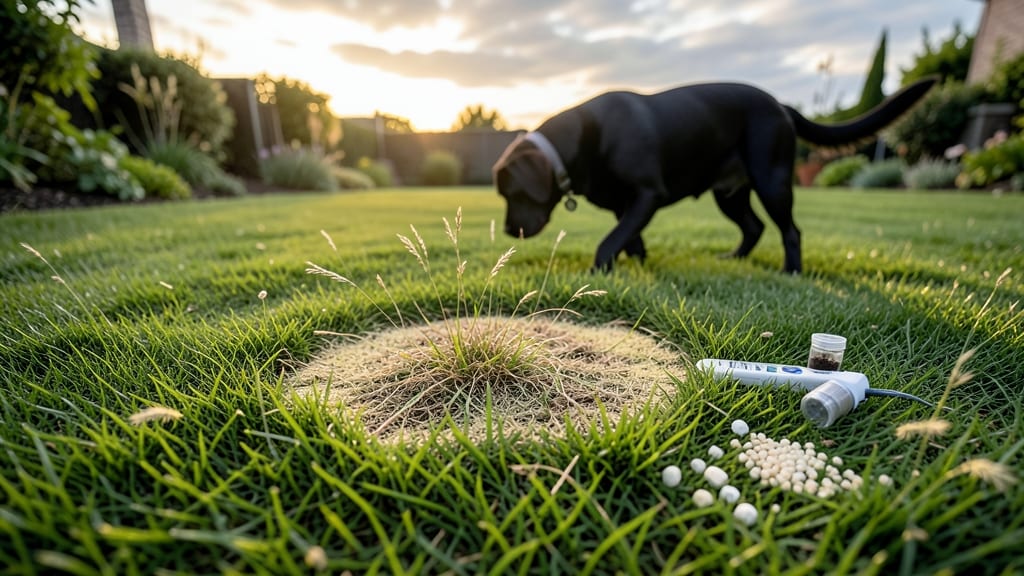
Dog pee can burn lawns or feed grass—it’s all about how you use it. ✨ I’ve turned my pup’s "accidents" into free fertilizer, and your lawn can thrive too with the right approach. The key is diluting the nitrogen and giving grass time to recover between pees.
Most lawn damage comes from concentrated urine—especially on thirsty grass. Instead of letting patches turn brown, water the area immediately after your dog goes, then give it a deep drink every few days.
Over time, this builds soil fertility without the burn. I’ve seen darker green lawns in high-traffic areas after just a few weeks.
For stubborn brown spots, overseed with dog-friendly grasses like tall fescue or Kentucky bluegrass—they bounce back faster. A light top-dressing of compost helps too. The result? A lawn that stays lush, even with daily potty breaks. No more yellow patches, just healthy growth.
This works best in warm seasons when grass grows actively. In winter, urine sits longer, so hold off on the fertilizer hack until spring. With these tweaks, your lawn becomes the envy of the neighborhood—no chemicals, just smart care.
The Science Behind Pet Pee Patches
If your lawn has ever looked like a patchwork of brown and green after your dog does its business, you’re not alone.
While dog urine can seem like a nuisance, understanding why it damages grass—and how it can sometimes benefit it—is the key to turning a "problem" into a lawn-care advantage. Let’s break down the real reasons behind those unsightly spots.
Dog urine is extremely high in nitrogen—often 10 to 20 times more concentrated than synthetic fertilizers. When your pup pees, the ammonia (NH₃) in the urine quickly converts to ammonium (NH₄⁺) in the soil. While plants need nitrogen for growth, too much at once overwhelms the grass blades, causing:
- Cell dehydration: The high salt content draws moisture out of grass roots and blades, leading to crispy, dead patches.
- pH imbalance: Ammonia raises soil pH temporarily, disrupting nutrient uptake and weakening grass resilience.
- Oxidative stress: Excess nitrogen triggers free radicals in grass cells, accelerating damage.
Actionable fix: Dilute the nitrogen by watering the spot immediately after your dog pees (aim for 1–2 gallons of water per patch). This helps distribute the nitrogen evenly and prevents concentration buildup.
Unlike slow-release fertilizers, dog urine delivers nitrogen in a single, concentrated burst. Most lawn grasses (like Kentucky bluegrass or fescue) are adapted to gradual nutrient absorption. When hit with a sudden dose, they:
- Absorb more nitrogen than they can process, leading to fertilizer burn (visible as yellow or brown patches).
- Experience osmotic shock, where the high solute concentration outside plant cells causes water to rush out, wilting the grass.
- Suffer from nutrient lockout, where other essential minerals (like potassium or phosphorus) become unavailable due to the nitrogen overload.
Actionable fix: Train your dog to pee in designated areas (like a gravel path or mulched zone) to contain the urine’s impact. If you must let them roam, mow high (3–4 inches) to strengthen grass roots and improve their ability to handle nutrient spikes.
While all dog urine contains nitrogen, smaller dogs (especially terriers, Chihuahuas, or Dachshunds) produce urine with higher levels of uric acid—a byproduct of their high-protein diets. Uric acid:
- Is more acidic (pH 6.0–6.5 vs. 7.0–8.0 in larger breeds), which directly damages grass cell membranes.
- Forms crystals in the soil that disrupt microbial activity, reducing the soil’s ability to break down nutrients.
- Combines with nitrogen to create a double whammy of chemical stress on grass.
Actionable fix: Feed your small dog a balanced diet with moderate protein levels (aim for 18–22% protein for adults) to reduce uric acid production. Add probiotics to their food to improve gut health and urine composition.
Not all lawns react the same way to dog urine. Here’s how your environment affects the damage:
| Soil Type | Why It Matters | How to Adapt |
|---|---|---|
| Clay Soil | Holds urine close to the surface, increasing concentration and burn risk. | Amend with compost or sand to improve drainage. |
| Sandy Soil | Dries out quickly, making grass more susceptible to dehydration from urine salts. | Water deeply and frequently to flush out excess nitrogen. |
| Loamy Soil | Balances drainage and nutrient retention, but still needs dilution. | Use mulch or straw in high-traffic areas to absorb urine. |
In hot, dry climates, urine evaporates faster, leaving behind concentrated salts that crisp grass.
In cool, wet climates, nitrogen washes away more easily, reducing burn but potentially polluting groundwater. Actionable fix: Adjust watering based on your climate—more in heat, less in rain—and test your soil’s pH (ideal: 6.0–7.0 for most grasses).
Now that you know the why, the good news? With a few smart adjustments, you can minimize the damage—or even harness the benefits—of dog urine for a healthier lawn. Stay tuned for our next section on turning pee into fertilizer!
Fixing Dog Pee Damage Naturally
Dog urine can transform your lawn from a vibrant green paradise into a patchy, yellowed mess—but the good news is, you can reverse (and even prevent!) the damage with simple, pet-friendly solutions.
Below, we’ve mapped common causes to targeted fixes, so you can restore your grass without harsh chemicals or sacrificing your pup’s bathroom breaks.
Problem: Frequent peeing in the same spots + heavy watering = concentrated ammonia burning grass roots.
Fix It:
- 💦 Flush the Area – After your dog pees, immediately rinse the spot with 1–2 gallons of water to dilute the urine. A garden hose on gentle spray or a watering can works.
- 🌿 Adjust Watering Habits – Water deeply once a day (early morning) instead of light, frequent sessions. This helps roots absorb nutrients before urine can harm them.
- 🌱 Choose Drought-Resistant Grass – If your lawn is struggling, switch to tall fescue or Bermuda grass, which tolerate urine better than fine fescue or bluegrass.
Prevention Tip: 💡 Train your dog to pee in designated "potty patches" (like a gravel area or mulch bed) to contain the problem.
Problem: Chronic urine weakens grass, leaving bare or discolored spots.
Fix It:
- 🌱 Overseed Bare Spots – After diluting urine, rake the damaged area and sprinkle grass seed mixed with compost. Keep it moist for 2–3 weeks.
- 🍃 Use Organic Fertilizer – Apply a slow-release, nitrogen-rich fertilizer (like fish emulsion or alfalfa meal) to help grass recover. Avoid synthetic fertilizers—they can worsen the issue.
- 🌿 Improve Soil Drainage – If water pools after peeing, aerate the lawn in fall or spring to prevent urine from sitting too long.
Pro Tip: ✨ DIY Urine Neutralizer – Mix 1 gallon of water + 1 tbsp baking soda + 1 tsp dish soap, then spray affected areas to balance pH.
Problem: Repeated peeing in the same spots = permanent damage if not managed.
Fix It:
- 🐕 Train Your Dog – Teach your pup to pee in one corner of the yard (use treats and praise!). A gravel or mulch "potty zone" can help contain the mess.
- 🌿 Rotate Peeing Spots – If training isn’t an option, gently move your dog to different areas after each bathroom break to prevent concentration buildup.
- 🌱 Mow Higher – Keep grass 3–4 inches tall—taller blades shade roots and reduce urine damage.
Bonus Hack: 💡 Plant Clover or Clover-Grass Mix – Clover is more urine-resistant than grass and adds nitrogen to the soil naturally!
Final Thought: With a little consistency, your lawn can bounce back—and even thrive—thanks to your dog’s "contributions." 🐾 The key is dilution, training, and smart soil care. Try these fixes, and you’ll be back to a lush, green yard in no time!
Frequently asked questions
Why does my lawn turn brown where my dog pees?
The high nitrogen in dog urine burns grass when concentrated. Ammonia in the urine dehydrates grass cells, causing brown patches. Diluting with water immediately after your dog goes helps prevent this damage.
Can dog urine actually help my lawn grow?
Yes, but only when diluted properly! Dog urine contains nitrogen, which grass needs, but too much at once burns it. Use it as a natural fertilizer by watering the area first to spread the nutrients evenly. Over time, this can boost growth in high-traffic spots.
What’s the best grass type for a dog-friendly lawn?
Tall fescue and Bermuda grass handle urine better than most varieties. They’re tougher and recover faster from damage. For shade areas, consider fine fescue—it’s more resilient to frequent peeing. Mow high (3-4 inches) to protect roots too.
How do I fix stubborn brown spots from old urine?
Rake out dead grass, then overseed with a mix of grass seed and compost. Water deeply for 2-3 weeks to help new growth take hold. For tough spots, apply a light layer of topsoil or use a DIY urine neutralizer (baking soda + water). Patience is key—new grass needs time to establish.
Will training my dog to pee in one spot save my lawn?
Designate a gravel or mulch area for potty breaks to contain urine damage. Train with treats and praise, and avoid punishing accidents—positive reinforcement works best. This simple change can prevent 80% of lawn issues.