
How To
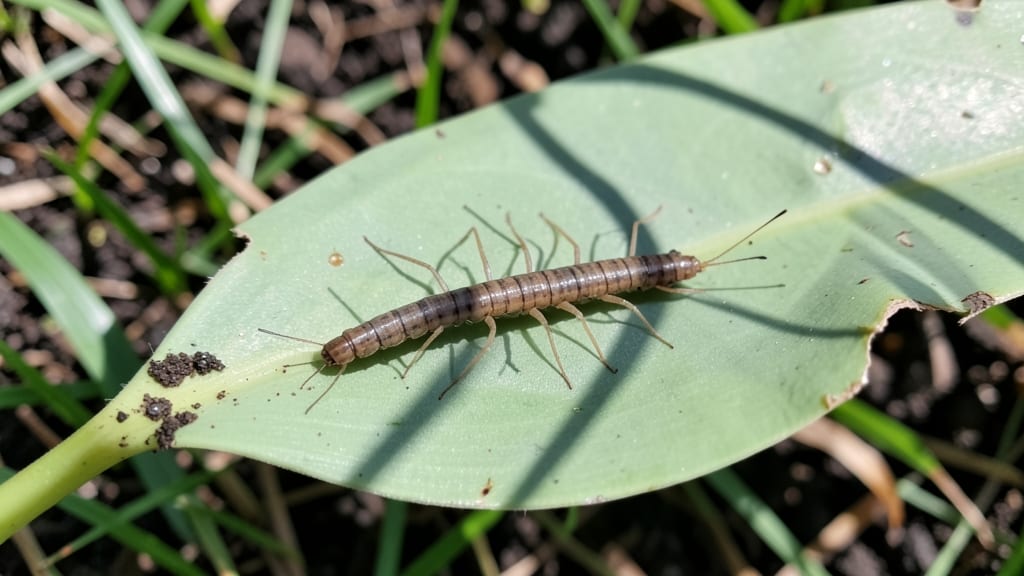
Centipede grass fungus turns your lawn into a patchwork of brown and green—something I’ve seen too many times after years of battling this stubborn problem. 🌱 The key to fixing it starts with recognizing the signs: those telltale circular patches, the fuzzy white or pink growth on blades, and grass that feels spongy underfoot.
Most people wait too long, thinking it’s drought or grubs, but fungus spreads fast when conditions are right.
Fungus loves centipede grass because it thrives in warm, humid climates—exactly where centipede does best. Poor drainage, overwatering, or thick thatch create the perfect breeding ground. The good news? You don’t need harsh chemicals to fight back.
Simple adjustments—like watering early in the morning, sharpening your mower blade, and aerating compacted soil—can make your lawn less inviting to fungal invaders.
Once you spot the problem, act fast with organic treatments like neem oil or baking soda sprays, or targeted fungicides for severe cases. Within a few weeks, you’ll see new green shoots pushing through if you’ve improved airflow and reduced moisture stress.
The goal isn’t just to kill the fungus—it’s to build a lawn so healthy it resists future outbreaks.
This works for any centipede lawn, whether you’re dealing with brown patch, dollar spot, or even rust. The secret is consistency: treat the symptoms now, but focus on long-term lawn care to keep it thriving. Let’s get your grass back to that lush, uniform green you love.
Root Causes Of Lawn Fungus Spread
Fungal infections in centipede grass aren’t random—they thrive when specific conditions align. Understanding these triggers helps you prevent outbreaks before they start. Below, we break down the real culprits behind fungal growth, from soil chemistry to weather patterns, with actionable science behind each.
🌱 Overwatering And Poor Drainage
Centipede grass is drought-tolerant, but excessive moisture is the #1 fungal magnet. Fungi like Rhizoctonia and Brown Patch (caused by Rhizoctonia solani) flourish in soggy conditions because:
- Oxygen deprivation: Waterlogged soil suffocates grass roots, weakening defenses. Fungal spores compete with roots for oxygen, multiplying rapidly.
- Spores thrive in humidity: Overwatering keeps leaf surfaces damp for >12 hours—ideal for spore germination. Brown Patch spreads fastest in these conditions.
- Compacted soil: Heavy foot traffic or clay soils trap water. Test drainage by digging a 6-inch hole; if it fills in <1 hour, you’ve got a problem.
Actionable fix: Water deeply but infrequently—1–1.5 inches per week (including rain). Use a soil core aerator in spring/fall to improve airflow.
🌡️ Warm, Humid Weather Patterns
Fungi are not cold-weather pests—they love heat and humidity. Here’s why summer storms create the perfect storm:
- Temperature sweet spot: Fungi like Large Patch (Rhizoctonia zeae) thrive at 75–85°F. Nighttime temps >70°F with high humidity? Fungal party time.
- Leaf wetness duration: Morning dew + afternoon rain = <12+ hours of moisture on blades. Brown Patch spreads via zoospores (waterborne spores) in these conditions.
- Slow grass recovery: Centipede grass grows slowly in heat. Weakened blades can’t outcompete fungi, leading to blight (rapid tissue death).
Actionable fix:
- 🌡️ Mow higher (3–4 inches) in summer to shade soil and reduce evaporation.
- ⏰ Water early morning (before 9 AM) to allow blades to dry by evening.
- 🌬️ Improve airflow with vertical mowing (set mower deck high + raise blades slightly).
🍄 Soil Nutrient Imbalances
Fungi hijack imbalanced soil like a thief in the night. Centipede grass needs low nitrogen (unlike turfgrass), but most homeowners overdo it—here’s how:
| Nutrient Issue | How It Fuels Fungi | Fix It |
|---|---|---|
| Excess nitrogen (from synthetic fertilizers) | Promotes soft, lush growth that’s fungus candy. Fungi like Dollar Spot (Clarireedia jacksonii) target tender new shoots. | Switch to slow-release organic fertilizer (e.g., milorganite) or none in summer. |
| Low potassium (K) | Weakens cell walls, making grass vulnerable to osmotic stress—fungi exploit this to invade. | Test soil; apply potassium sulfate (0.5 lb per 100 sq ft) in spring. |
| High pH (>6.5) | Locks out beneficial microbes that suppress fungi. Take-all patch (Gaeumannomyces graminis) thrives in alkaline soils. | Add elemental sulfur (1 lb per 100 sq ft) to lower pH gradually. |
Pro tip: 💡 Centipede grass is a low-maintenance ground cover—skip the fertilizer unless soil tests show deficiencies!
🪰 Physical Stress From Lawn Trauma
Stress = open invitation for fungi. Common stressors include:
- Thatch buildup (>0.5 inches): A thatch layer traps moisture and blocks fungicides. Brown Patch loves this environment.
- Foot traffic/compaction: Damaged roots can’t fight off Necrotic Ring Spot (Bipolaris spp.).
- Herbicide damage: Post-emergent herbicides (e.g., 2,4-D) weaken grass, making it susceptible to secondary infections.
Actionable fix:
- 🔪 Dethatch in early spring with a vertical mower (set blades 1–2 inches deep).
- 👨🍳 Reseed bare spots with centipede grass in fall (avoid summer stress).
- ✨ Use targeted herbicides (e.g., mesotrione)—avoid broad-spectrum killers like glyphosate.
Fungal infections in centipede grass aren’t inevitable—they’re a chain reaction of avoidable mistakes. By addressing moisture, nutrients, and stress, you starve fungi of their favorite conditions. Next, we’ll cover how to spot early warning signs before outbreaks take hold.
Natural Ways to Fight Lawn Fungus
Fungus in your centipede grass lawn can feel like a never-ending battle, but with the right approach, you can reclaim your yard’s health—without harsh chemicals. Below are targeted solutions for common causes of fungal infections, paired with prevention tips to keep your lawn thriving long-term.
🍄 Overwatering or Poor Drainage? Fix It Fast
Problem: Fungus loves damp, soggy conditions. Overwatering or compacted soil traps moisture, creating the perfect breeding ground.
How to Fix It:
- 💦 Adjust Your Watering Schedule Water deeply 2–3 times per week (early morning, 4–6 AM) instead of daily light sprinkles. Aim for ½ to ¾ inch per session—let the top 1–2 inches of soil dry between waterings. Pro Tip: 🌡️ Test soil moisture by sticking a screwdriver in—if it slides in easily, you’re overwatering.
- 🏗️ Improve Drainage Naturally
- Aerate compacted soil with a core aerator (rent or hire a pro).
- Add organic matter: Spread 2–3 inches of compost or sand (if your soil is clay-heavy) and top-dress with a thin layer of mulch.
- Install a French drain if water pools in low spots.
- 🌿 Raise Mower Height Taller grass (3–4 inches) shades soil, reducing evaporation and fungal spores. Sharpen mower blades too—dull blades tear grass, inviting disease.
🌱 Weak or Stressed Grass? Strengthen It
Problem: Thin, nutrient-deficient grass can’t fight off fungus. Pests, drought, or poor soil weaken roots, making them vulnerable.
How to Fix It:
- 💪 Fertilize Smartly Use a slow-release, organic fertilizer (like compost tea or fish emulsion) in early spring or fall. Avoid high-nitrogen fertilizers in summer—they promote rapid growth but stress grass. Pro Tip: 🎯 Test your soil first (DIY kits from garden centers) to avoid over-fertilizing.
- 🐜 Control Pests First Grubs and chinch bugs create entry points for fungus. Treat with neem oil or beneficial nematodes before applying fungicides.
- 🌿 Overseed Bare Spots Fill thin areas with centipede grass seed or a drought-resistant mix (like Bermuda). Keep seeded areas moist until germination.
🔥 Fungal Spots Already Appearing? Act Now
Problem: Visible patches (reddish-brown, circular) mean the fungus has taken hold. Early action prevents spread.
How to Fix It:
- 🧼 Clean Up Debris Remove thatched layers (dead grass buildup) with a rake. Fungus hides here! Bag and dispose of debris off-site (don’t compost it).
- 🍄 Apply Natural Fungicides
- Baking soda spray: Mix 1 tbsp baking soda + 1 gallon water + a few drops of dish soap. Spray on dry days.
- Hydrogen peroxide (3%): Dilute 1:3 with water and spray (test on a small patch first).
- Copper fungicide: Organic options like copper sulfate (follow label rates) work for severe cases.
- 🔄 Rotate Treatment Zones If using chemical fungicides, alternate active ingredients to prevent resistance. Natural sprays can be reapplied every 7–10 days.
⚠️ Prevention: Keep Fungus Away for Good
Once your lawn recovers, break the fungus cycle with these habits:
- 🌞 Encourage Sunlight: Trim trees/shrubs shading your lawn to improve airflow.
- 🍂 Clean Equipment: Sterilize mowers and rakes with rubbing alcohol between uses.
- 🚫 Avoid Late Summer Fertilizer: Hold off on feeding until fall—summer heat stresses grass.
- 🐛 Monitor for Pests: Check for grubs or insects quarterly (especially after rain).
Remember: Patience is key—fungus recovery takes 4–6 weeks with consistent care. Stick to the plan, and your centipede grass will bounce back stronger and greener! 🌿✨
Frequently asked questions
What are the first signs of fungus in centipede grass?
Look for circular brown patches that spread outward, often with a reddish-brown ring at the edges. You may also spot fuzzy white or pink growth on blades (spores) or grass that feels spongy when stepped on. These appear after prolonged wet conditions or heat stress.
Can I use baking soda to treat fungal spots?
Yes! Mix 1 tablespoon baking soda with 1 gallon of water and a few drops of dish soap, then spray directly on affected areas. Apply on dry days for best results—this disrupts fungal growth naturally. Repeat every 7–10 days until patches disappear.
Why does fungus keep coming back after treatment?
Fungus returns when root causes persist—like overwatering, poor drainage, or thick thatch. Test soil moisture and adjust watering to 1–1.5 inches per week. Aerate compacted soil and remove thatch layers to improve airflow and break the fungus cycle.
Is it safe to use chemical fungicides on centipede grass?
Chemical fungicides like propiconazole or azoxystrobin can work for severe outbreaks, but use them as a last resort. Always follow label instructions and alternate active ingredients to prevent resistance. Organic options (copper fungicide, neem oil) are safer for long-term lawn health.
How can I prevent fungus in centipede grass long-term?
Focus on prevention: Mow at 3–4 inches in summer, water early morning, and avoid high-nitrogen fertilizers. Sharpen mower blades, clean equipment between uses, and overseed bare spots. These steps create an environment where fungus struggles to survive.