
Watering
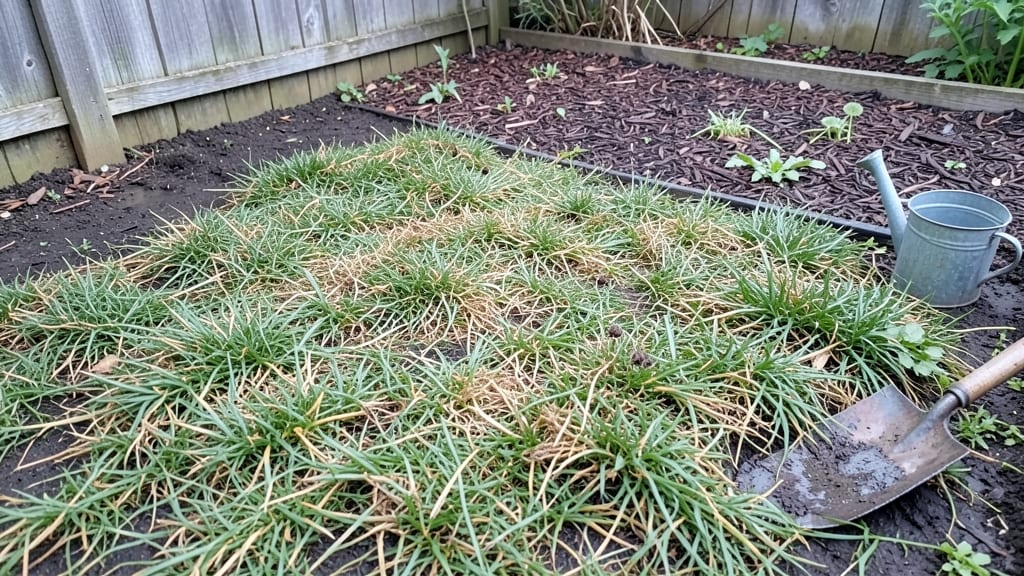
Yes, overwatered sod can recover if you act quickly—within 1-2 weeks—but only if you address the root suffocation and fungal risks immediately. Drain excess water right away, cut back on irrigation, and aerate the soil to restore oxygen flow and prevent permanent damage.
Overwatering doesn't just mean soggy grass—it smothers roots by cutting off their oxygen supply, creating the perfect breeding ground for fungal infections like Pythium. 🌱 The damage starts within 24 hours, with leaves turning yellow or brown as roots begin to rot.
I’ve seen lawns go from lush green to nearly dead in just a few days if the waterlogging persists, but with proper drainage and aeration, you can often reverse the decline. The key is catching it early before the thatch layer becomes waterlogged and impenetrable.
Think of your lawn like a sponge—too much water squeezes out the air spaces roots need to breathe. When that happens, beneficial microbes get crowded out, and harmful fungi take over.
That’s why I always recommend testing soil moisture with a simple screwdriver test: if it slides in easily, you’ve got a waterlogged mess on your hands. The good news?
With the right adjustments—like deep watering less often and adding compost to improve drainage—most lawns bounce back within 7-10 days of proper care.
💡 In This Article
- Root Suffocation and Fungal Risks in Overwatered Sod
- Step-by-Step Revival Plan for Overwatered Lawns
Root suffocation and fungal risks in overwatered sod
Here's what's actually happening beneath your lawn when water pools around grass roots: sod needs oxygen just like we do, and overwatering creates an anaerobic zone where roots suffocate. Grass roots require 10-20% air space in the soil pores to function properly, but continuous saturation displaces this oxygen with water.
Within 24 hours of excessive moisture, root cells begin starving for oxygen, triggering a cascade of stress responses that weaken the plant's defenses. 🌱 This oxygen deprivation isn't just uncomfortable for roots—it's deadly within 3-5 days if unchecked.
The real danger comes when waterlogged conditions create the perfect breeding ground for fungal pathogens like Pythium and Fusarium. These soilborne fungi thrive in saturated environments where organic matter decomposes rapidly, releasing nutrients that fuel their growth.
You'll notice this as grayish-brown patches that spread quickly—these are dead grass blades where the fungus has invaded through the roots. The thatch layer (that spongy material between soil and grass) becomes particularly problematic, as it holds moisture like a sponge and prevents oxygen from reaching lower root zones.
What most people don't realize is how quickly visual symptoms appear: within 48 hours of overwatering, you'll see grass blades develop a yellowish tint at the tips, followed by brown discoloration as root cells die.
The leaf blades may feel soft and mushy when pinched—a clear sign of cellular breakdown from oxygen starvation. 💧 In severe cases, the entire sod can lift slightly from the soil as roots detach from the anaerobic stress.
This progression happens faster in clay soils (which hold water tightly) than in sandy soils (which drain more quickly).
The science behind this involves two key processes: root respiration failure and microbial shift. Normally, beneficial soil microbes help break down organic matter and release nutrients, but when water displaces oxygen, these microbes die off and are replaced by anaerobic bacteria that produce toxic byproducts.
Meanwhile, the grass plants shift into survival mode, diverting energy from growth to repairing damaged root cells—a process that requires even more oxygen than they can get.
Consider this timeline of damage progression: Day 1-2: Root tips begin dying, leaves show first yellowing; Day 3-5: Fungal spores germinate, brown patches appear; Day 7+: Thatch layer becomes waterlogged, preventing any recovery.
The good news is that if you catch it in the first 48 hours, you can often reverse most of this damage with proper drainage and aeration. The bad news?
Once the thatch layer becomes completely saturated, recovery becomes much more difficult and may take 4-6 weeks of careful management.
One visual clue many gardeners miss is the musty odor that develops from waterlogged soil—a clear sign of anaerobic conditions.
This smell comes from hydrogen sulfide gas produced by bacteria in oxygen-deprived environments. 🌿 While this might seem like just a lawn problem, the same principles apply to container-grown sod or small garden plots where water can pool in the bottom of pots.
The key difference is that potted plants show symptoms faster due to their limited root space.