
Lawn
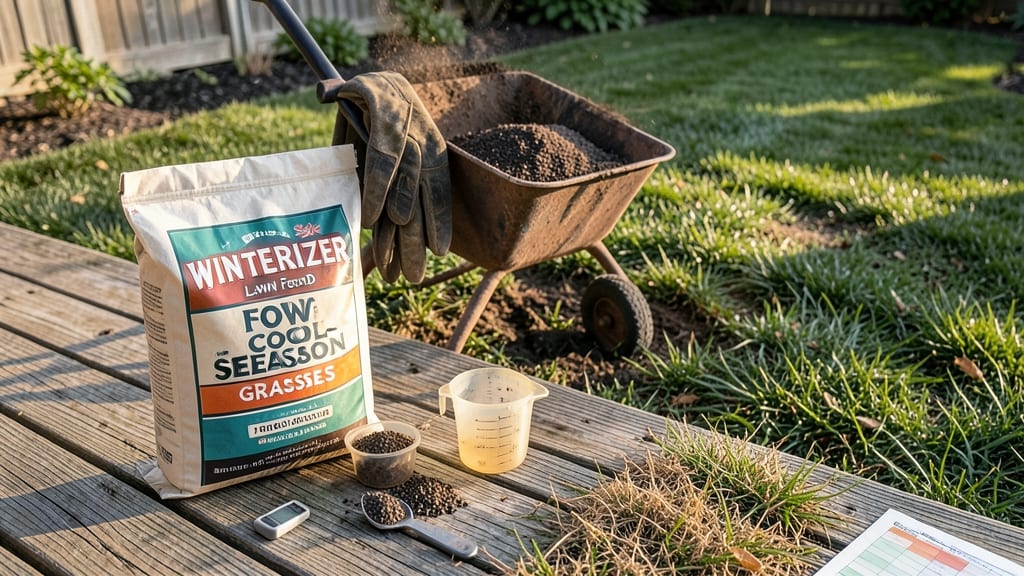
Fertilizing lawn grass too late in the season can actually hurt its chances of surviving winter and bouncing back strong in spring.
If you’ve ever stared at that last bag of fertilizer in the garage wondering whether it’s worth applying now—or if it’s just wasting money—you’re not alone. The truth is, timing matters more than you think.
Too late, and you risk encouraging weak growth that freezes before it can harden off, or even burning roots in cold soil. But get it right, and your lawn will thank you with deeper roots and an earlier, lusher spring green-up.
Most lawns in Zone 6a should stop fertilizing by mid-October, but the exact cutoff depends on your grass type and local frost dates. Cool-season grasses like fescue and ryegrass need their final feeding 6-8 weeks before the first frost, while warm-season grasses like Bermuda should stop even earlier.
Miss this window, and you might end up with a lawn that’s more vulnerable to winter stress—or worse, one that struggles to recover in spring.
Here’s how to know for sure when it’s too late, plus what to do instead to keep your lawn healthy without overdoing it. We’ll cover the signs to watch for, regional adjustments, and smarter fall lawn care strategies that actually work.
Critical fall fertilization deadlines by grass type
Fall fertilization is your lawn’s last chance to build strength before winter dormancy—but timing is everything. Cool-season grasses like fescue and ryegrass thrive with late-season feeding, while warm-season grasses like Bermuda and zoysia need a different approach.
Miss the window, and you risk weak roots, winter burn, or even wasted fertilizer. Here’s exactly when to stop for each type.
For cool-season grasses, the sweet spot is 6-8 weeks before your first frost date. In USDA Zone 6a (like much of the Midwest), that’s typically mid-September to early October.
In warmer southern regions (Zones 7-9), extend this to late October or early November. Fertilizing too late forces grass to grow when nights get cold, leaving it vulnerable to frost damage.
Warm-season grasses have a tighter deadline: late August to mid-September in most regions. By October, these grasses are already slowing down for winter. Applying fertilizer after mid-October risks winterkill or uneven spring green-up. Think of it as their last meal before hibernation—too late, and they can’t digest it properly.
Here’s your regional cutoff guide for both grass types, including when to avoid fertilizing entirely:
Pro tip: Use a soil thermometer to check when soil temps drop below 50°F—that’s your signal to stop. Cool-season grasses can handle slightly cooler soil, but warm-season types need to be fertilized when temps are still above 60°F.
If you’re unsure, err on the early side; under-fertilizing is safer than overdoing it late.
Late-season fertilization isn’t just about timing—it’s about root strength. A properly timed fall feeding helps grass develop deeper roots before winter, which means faster spring recovery and better drought resistance next summer. Skip it, and you’ll spend more time repairing brown patches in spring than enjoying your lawn.
One common mistake? Applying high-nitrogen fertilizer too late. Nitrogen encourages top growth, but when nights get cold, that new growth can’t harden off. Instead, opt for a low-nitrogen, high-potassium blend (like 10-0-20) in late fall to boost root development without promoting weak shoots.
Think of potassium as your lawn’s winter vitamin.
If you’re in a warmer climate (Zones 8-10), you might get away with a light feeding in December, but only if your grass stays green year-round. For most regions, though, November is the cutoff month.
After that, switch to organic matter like compost or a winter mulch to protect your soil until spring.
Remember: The goal isn’t just to feed your lawn—it’s to prepare it for winter. A well-timed fall fertilization sets the stage for a thicker, greener lawn next year, while late-season feeding can leave you with a weak, patchy mess.
When in doubt, check your local cooperative extension service for frost date averages—they’re your best guide.
🌱
Signs your lawn is past the fertilization point
Knowing when to stop fertilizing your lawn is just as important as knowing when to start. Late-season fertilization can stress grass, leaving it vulnerable to winter damage. Watch for these key indicators that your lawn has passed the ideal fertilization window.
One of the most obvious signs is new grass growth appearing after your last fertilization. If your lawn is actively growing in late September or October, it’s already too late to apply more fertilizer. This growth signals the grass is pushing hard to store nutrients before dormancy.
Check your soil temperature—when it drops below 50°F (10°C), grass growth slows dramatically. Fertilizing in cold soil wastes money and can lead to nutrient runoff, harming local waterways. Use a soil thermometer to monitor this critical threshold.
Heavy rainfall patterns also play a role. If your area receives frequent rain after fertilization, excess nutrients wash away before the grass can absorb them. Aim to fertilize at least 2-3 weeks before heavy rains to maximize nutrient uptake.
⚠️ Too Late to Fertilize?
Stop fertilizing if: New growth appears after mid-September, soil temps drop below 50°F (10°C), or frost is forecasted within 4-6 weeks. Late fertilization can cause winter burn and nutrient runoff.
Another red flag is frost sensitivity. If your lawn is in a region with early frosts, fertilizing too close to winter can prevent the grass from hardening off. Aim to finish fertilization 6-8 weeks before the first frost to allow roots to strengthen naturally.
Finally, listen to your lawn’s color and texture. Healthy grass should be a deep green, not yellowing or thinning. If your lawn looks stressed after fertilization, it’s already struggling to process nutrients. Switch to organic amendments like compost instead.
By recognizing these signs, you’ll avoid over-fertilizing and protect your lawn’s health through winter. A well-timed stop to fertilization sets the stage for a stronger spring recovery. 🌱