
Watering
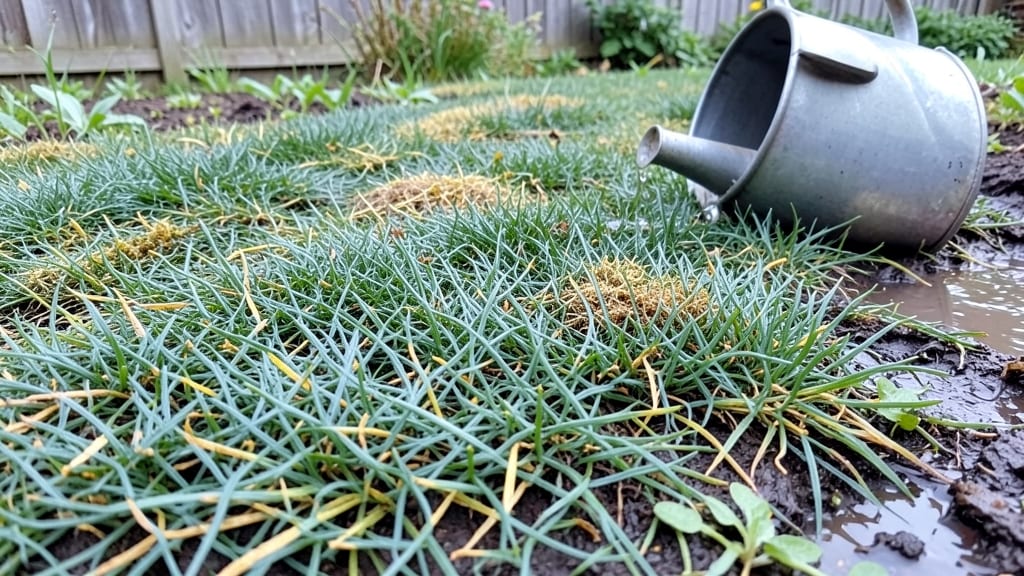
Yes, grass can absolutely be overwatered, which weakens roots, promotes fungal growth, and causes yellowing or browning patches. Overly saturated soil suffocates roots by cutting off oxygen, while excessive moisture invites pests like grubs and chinch bugs. Adjust watering to 1-1.5 inches per week, including rainfall, and let the top inch of soil dry between sessions.
Overwatering grass creates a hidden problem—too much moisture actually chokes the roots by replacing oxygen with water in soil pores.
This anaerobic environment forces roots to struggle for survival, making them weak and vulnerable to disease. 🌱 I’ve seen lawns turn from lush green to patchy brown overnight after just a few days of overwatering, especially during humid weather when fungal spores thrive.
The key is balancing moisture: let the top inch of soil dry out between waterings, and always check before adding more water.
This isn’t just about brown spots—it’s about long-term damage. Excess water leaches away essential nutrients like nitrogen and potassium, leaving grass malnourished even if you fertilize later. The good news? Most lawns bounce back quickly once you adjust your routine.
Start by testing soil moisture with a simple screwdriver test (if it pulls out clean, you’ve watered enough), and consider aerating compacted areas to improve drainage.
💡 In This Article
- How Overwatering Damages Grass Roots and Soil
- Fixing an Overwatered Lawn: Step-by-Step Recovery Guide
How overwatering damages grass roots and soil
When grass gets too much water, the soil becomes waterlogged, creating an environment where roots can't breathe. Healthy soil needs a balance of air and water—typically, about 25% air in the pore spaces.
When you overwater, you replace that air with water, forcing roots to switch from aerobic (oxygen-using) to anaerobic (oxygen-deprived) respiration.
This process produces toxic byproducts like ethanol and lactic acid, which poison root cells and stunt growth. 🌱 Think of it like holding your breath underwater—your body struggles to function, and the same happens to grass roots.
The damage goes deeper than just suffocation. Excess moisture triggers chemical changes in the soil, like lowering the pH and increasing the risk of anaerobic bacteria thriving. These bacteria break down organic matter too quickly, releasing harmful compounds like hydrogen sulfide (the "rotten egg" smell) and methane.
Over time, this process leaches away critical nutrients like nitrogen and phosphorus, which grass needs to stay green and strong. For example, a study by the University of Georgia found that lawns watered daily lost up to 30% more nitrogen through leaching compared to those watered twice weekly.
Fungal diseases like brown patch and dollar spot love damp conditions, and overwatering creates the perfect breeding ground. These fungi thrive in soil with a moisture content above 30%, while healthy grass prefers 15-25% moisture.
The fungi attack the roots and blades, causing those telltale brown circles or dollar-sized spots. Warm-season grasses like Bermuda are especially vulnerable, while cool-season grasses like Kentucky bluegrass may show symptoms more slowly but just as severely.
The key is to water deeply but infrequently—aim for 1-1.5 inches per week, including rainfall, and let the top inch of soil dry out between sessions.
Another hidden consequence is the disruption of soil aeration. Compacted soil from heavy foot traffic or clay-heavy compositions becomes even more impenetrable when saturated. This prevents water from draining properly, trapping roots in a suffocating cycle.
To break this pattern, consider aerating your lawn in the fall, which creates channels for air, water, and nutrients to reach the roots. A core aerator pulls out small soil plugs, reducing compaction by up to 50% and improving drainage.
This simple step can make a world of difference for overwatered lawns struggling to recover.
Even the soil's microbial community suffers under excess water. Beneficial microbes like mycorrhizal fungi, which help roots absorb nutrients, become less active in waterlogged conditions. Instead, harmful microbes take over, breaking down organic matter and releasing toxins.
This microbial imbalance weakens the grass's immune system, making it more susceptible to pests like chinch bugs and grubs, which thrive in soggy soil. The result? A lawn that looks healthy on the surface but is actually starving and stressed beneath. 💫