
Mower
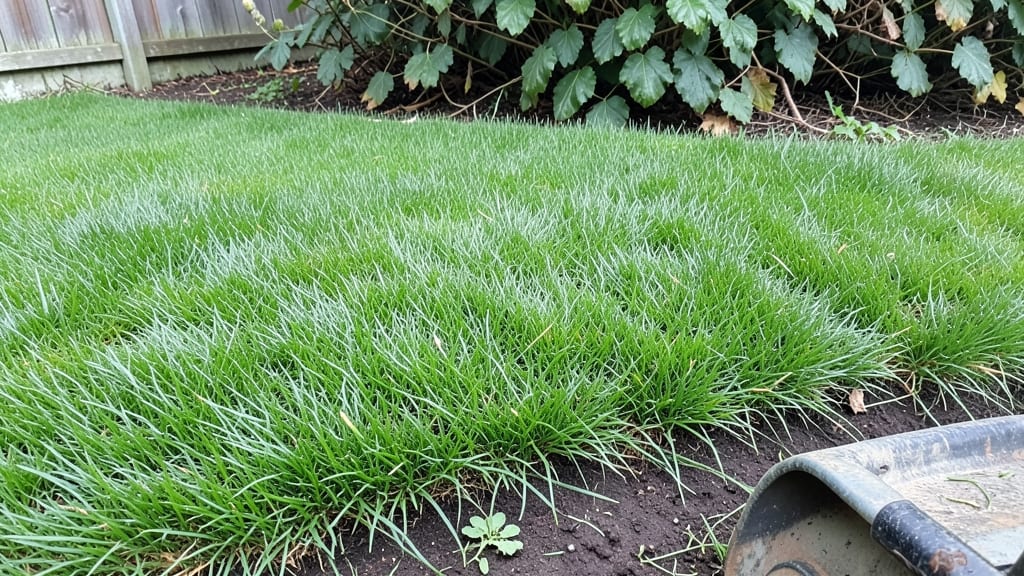
Mowing your lawn once a month can harm most grass types by encouraging thatch buildup, weed proliferation, and uneven growth, but some drought-resistant varieties like Bermuda or Buffalo grass may tolerate it. Always adjust mowing height and frequency based on grass species and climate conditions.
Monthly mowing throws off the natural growth cycle of most grasses, forcing them to grow too quickly between cuts.
This creates thick thatch layers that block water and nutrients from reaching roots, while long grass shades out sunlight needed for photosynthesis. 🌱 I’ve seen lawns go from lush green to patchy brown in just a few months when cut this infrequently—it’s a classic case of overcompensating in maintenance.
That said, some grasses evolved to handle drought and neglect, like Bermuda or Buffalo grass, which can go weeks between cuts while still staying resilient. These varieties store energy in their roots, letting them bounce back when conditions improve.
For homeowners with busy schedules, switching to these types could mean fewer mowing days without sacrificing curb appeal.
💡 In This Article
- How Monthly Mowing Damages Grass Roots
- Best Grass Types for Infrequent Mowing
How monthly mowing damages grass roots
When you stretch mowing intervals to once a month, you're essentially starving your grass roots of two critical resources: sunlight and nutrients. Most cool-season grasses like Kentucky Bluegrass or Tall Fescue need regular trimming to maintain their photosynthesis efficiency.
Cutting too infrequently lets grass blades grow 4-6 inches tall, blocking 30-50% of sunlight from reaching lower leaves and stems. This shade stress forces the plant to divert energy upward instead of strengthening its root system, which weakens overall resilience. 🌱
The real damage happens below ground. Grass roots rely on a balance between top growth and underground development. When blades grow too long, they create dense thatch—a layer of dead stems and roots that can reach ½ to 1 inch thick in just a few months.
This thatch acts like a waterproof barrier, preventing 20-40% of rainfall from penetrating to the soil where roots need it most. The result? Roots become shallow and brittle, making grass more susceptible to drought and disease.
I’ve seen lawns where this process turned vibrant green patches into dry, spongy mats within 6-8 weeks.
Long grass also creates the perfect conditions for weeds and pests. Most broadleaf weeds thrive in shaded, moist environments—exactly what your overgrown lawn provides. Dandelions and clover can spread 30-50% faster in these conditions, while grubs and chinch bugs find shelter in the thick thatch layer.
The combination of weakened grass and invasive species turns your lawn into a battleground where the original plants struggle to compete. 🔥
What’s the science behind this? Grass blades have specialized cells called mesophyll cells that capture sunlight for photosynthesis. When blades grow beyond 3-4 inches, these cells become overcrowded, reducing their efficiency by 15-25%.
Meanwhile, the plant’s energy shifts to producing more leaves rather than roots—a survival tactic that backfires when you finally do mow. The sudden shock of removing all that growth can cause 20-30% of root mass to die back from the stress.
Here’s how different grass types react: Cool-season grasses (like Fescue) need mowing every 1-2 weeks in growing season, while warm-season types (like Bermuda) can handle 3-4 weeks between cuts. The key difference? Cool-season grasses grow from the base, so frequent cuts encourage deeper root systems.
Warm-season varieties grow from the crown and store energy underground, making them more tolerant of infrequent mowing. Understanding this biological distinction can save you hours of lawn repair work later. ✨
For homeowners dealing with this issue, the first step is always adjusting your mowing height. Never remove more than ⅓ of the blade height at once—this rule prevents shock to the plant.
If your lawn has already suffered from monthly mowing, consider dethatching in spring using a rake or vertical mower to break up thatch layers. For severe cases, overseeding with a shade-tolerant variety can help restore balance to the ecosystem. 💫