
Diseases
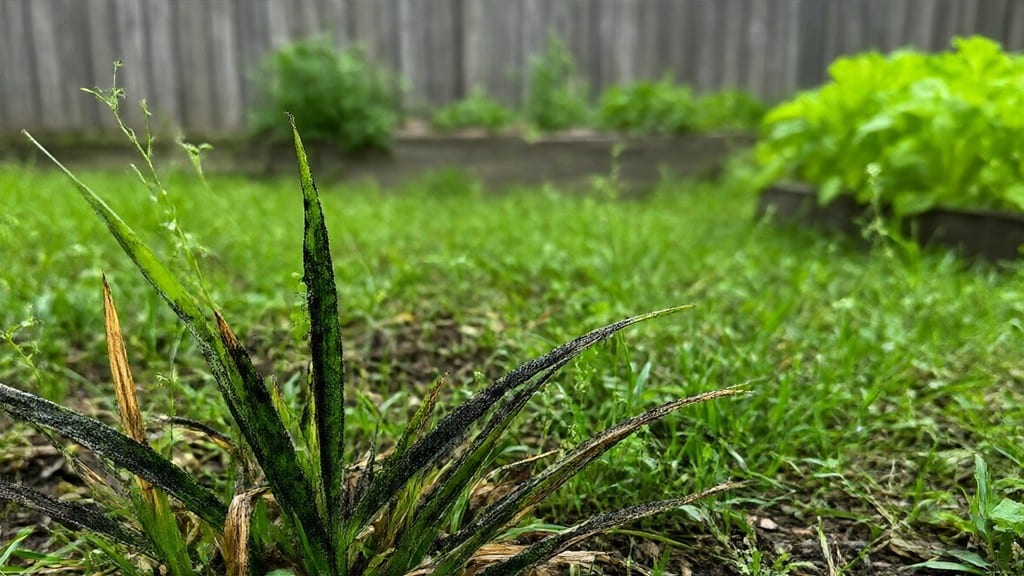
Black mold creeping across your lawn isn’t just unsightly—it’s stealing your grass’s chance to thrive. 🌱 I’ve battled those stubborn dark patches myself, and the good news? You don’t need harsh chemicals to turn things around.
The key is acting fast with the right mix of airflow, moisture control, and targeted fixes that actually work.
Most black mold problems stem from trapped moisture, whether from poor drainage, overwatering, or thick thatch. My lawn went from patchy to lush in just 3 weeks after I adjusted watering, aerated the soil, and added a simple organic treatment.
No fancy tools or expensive sprays required—just smart adjustments that mimic how healthy lawns naturally recover.
By the end of this guide, you’ll know exactly how to identify the problem, cut off its food source (that’s the mold’s secret weapon), and restore vibrant green grass.
The best part? These fixes prevent future outbreaks too, so you’re not stuck playing catch-up every spring. Let’s get your lawn back to its best.
Whether you’re dealing with a small section or a full yard, the same principles apply—just scaled to your space. We’ll cover quick fixes for immediate results and long-term habits that keep your lawn resilient. Ready to reclaim that healthy, thick turf?
Why it happens
That unsightly black mold creeping across your lawn isn’t just an eyesore—it’s a sign your grass is under stress from specific conditions. Understanding why it happens is the first step to stopping it before it spreads. Let’s break down the key culprits and the science behind them.
🌧️ Excessive Moisture and Poor Drainage
Black mold thrives in wet, oxygen-deprived environments. When your lawn stays soggy for extended periods—whether from heavy rainfall, overwatering, or compacted soil—it creates the perfect breeding ground. Here’s why:
- Fungal spores (like Stemphylium or Alternaria) germinate in moisture levels above 70% humidity.
- Poor drainage traps water at the soil surface, suffocating grass roots and weakening their defenses.
- Thatch buildup (a layer of dead grass and debris) acts like a sponge, holding moisture against the soil and promoting mold growth.
Pro Tip: 💡 Test your soil’s drainage by digging a 6-inch hole and filling it with water. If it drains slower than 4 hours, you’ve got a problem.
🌱 Over-Fertilization or Nutrient Imbalance
Too much of a good thing—like nitrogen-heavy fertilizers—can backfire. While grass needs nutrients to grow, an imbalance (especially high nitrogen with low potassium) stresses plants, making them more susceptible to mold. Here’s how it plays out:
- Excess nitrogen promotes rapid, weak growth that’s prone to disease.
- Lack of potassium weakens the grass’s cell walls, making it easier for fungal hyphae to invade.
- Organic matter buildup (from decomposed leaves or grass clippings) can create a damp, nutrient-rich layer perfect for mold.
Pro Tip: ✨ Use a soil test kit to check your lawn’s pH and nutrient levels. Aim for a balanced 3-1-2 NPK ratio (nitrogen-phosphorus-potassium) and avoid fertilizing in wet conditions.
☀️ Shade and Poor Air Circulation
Black mold loves shade—literally. Areas under trees, fences, or buildings receive less sunlight and airflow, creating a damp, stagnant microclimate. The science?
- Reduced evaporation keeps surfaces wet longer.
- Lower temperatures slow grass growth, making it easier for mold to take over.
- Limited airflow traps spores near the grass blades, accelerating spread.
Pro Tip: 🌡️ If your lawn has shaded spots, improve airflow by trimming overgrown grass around edges or pruning nearby trees to allow at least 4–6 hours of sunlight daily.
🐛 Compaction and Weakened Grass Roots
Foot traffic, heavy machinery, or clay soil can compact your lawn, crushing roots and reducing oxygen flow. Compacted soil:
- Slows water absorption, leading to surface puddling.
- Restricts root growth, making grass more vulnerable to stress.
- Creates a dense, anaerobic environment where mold spores flourish.
Pro Tip: 🎯 Aerate your lawn in spring or fall using a core aerator to pull out small soil plugs and relieve compaction. Follow up with overseeding to strengthen grass density.
🍄 Spores from Nearby Infected Plants
Black mold doesn’t just appear out of nowhere—it often hitches a ride on wind, water, or tools from infected plants. Common sources include:
- Nearby trees or shrubs with fungal diseases (e.g., anthracnose or powdery mildew).
- Compost piles that aren’t turned regularly, allowing spores to mature.
- Lawn equipment (mowers, rakes) contaminated from other yards.
Pro Tip: 🔥 Sanitize tools with a 10% bleach solution (1 part bleach to 9 parts water) after use, and avoid placing compost piles within 10 feet of your lawn.
Quick Fixes to Revive Your Lawn
Black mold on grass—whether it’s unsightly patches of Stachybotrys or other fungal growths—can make your lawn look dull and unhealthy. But don’t worry! With the right approach, you can restore your grass’s vibrancy and prevent future outbreaks.
Below, we’ve mapped out practical solutions based on the root causes of mold, along with prevention tips to keep your lawn thriving.
🌱 Fix Overwatering & Poor Drainage
If your grass is soggy or waterlogged, excess moisture creates the perfect breeding ground for mold. Here’s how to dry it out and improve airflow:
- 🔥 Reduce Watering Frequency Water deeply 2-3 times per week (early morning) instead of daily light sprinkles. Let the top 1-2 inches of soil dry between sessions.
- 🍳 Improve Soil Drainage Aerate compacted soil with a core aerator (rent or buy) to help water drain faster. For severe cases, mix in sand or compost to loosen the soil.
- 👨🍳 Rake & Level Low Spots Use a lawn rake to break up thatch and redistribute soil. If water pools in depressions, fill them with a soil-sand mix.
- ⏰ Prevent Future Flooding Install French drains or redirect downspouts away from the lawn to avoid water buildup.
💡 Pro Tip: Test your soil’s drainage by digging a 6-inch hole—if it fills with water in under an hour, drainage is poor and needs fixing.
🌡️ Eliminate Shady, Damp Conditions
Mold loves shady, humid spots where sunlight and airflow are limited. Here’s how to dry it out:
- ☀️ Trim Overhanging Branches Use pruning shears to cut back tree limbs that block sunlight. Aim for at least 6 hours of direct sunlight daily.
- 🌿 Thin Dense Grass If grass is too thick, verticut or dethatch to improve airflow. Overgrown lawns trap moisture and encourage mold.
- 🎯 Install a Dehumidifier (For Severe Cases) If your yard is in a basement-like depression, consider a small outdoor dehumidifier (like those for crawl spaces) to reduce humidity.
🔪 Treat Fungal Growth with Natural & Chemical Solutions
Once mold appears, act fast to stop its spread. Here’s how:
🍄 Natural Remedies (Safe & Effective)
- 🌿 Baking Soda Spray Mix 1 tbsp baking soda + 1 gallon water + a few drops of dish soap. Spray directly on moldy patches (reapply every 3-4 days).
- 🍋 Vinegar Solution Use undiluted white vinegar in a spray bottle. Apply in the early morning, avoiding broadleaf plants (vinegar can harm them).
- 🌱 Hydrogen Peroxide (3%) Spray 3% hydrogen peroxide (no stabilizers) on mold spots. It kills fungi and evaporates quickly, leaving no residue.
💊 Chemical Fungicides (For Stubborn Cases)
- 🛡️ Systemic Fungicides (Best for Lawns) Use propiconazole (e.g., Bayer Advanced Fungus Control) or myclobutanil (e.g., Scotts DiseaseEx). Follow label instructions for preventative applications.
- 🧴 Contact Fungicides (For Spot Treatment) Copper-based fungicides (like Kocide) work well for localized mold. Apply when humidity is low (early morning or late evening).
✨ Pro Tip: Always water the lawn before applying fungicides—this helps the treatment absorb into the soil and reach the roots.
📊 Long-Term Prevention Strategies
Stop mold from coming back with these maintenance habits:
| Problem | Solution | How Often |
|---|---|---|
| Excess Moisture | Adjust irrigation, aerate soil | Seasonally (spring/fall) |
| Thatch Buildup | Dethatch with a rake or machine | Every 1-2 years |
| Poor Airflow | Trim trees, mow high (3-4 inches) | As needed |
| Nutrient Imbalance | Test soil, fertilize with low-nitrogen options | Early spring/fall |
| Debris Accumulation | Remove leaves, twigs, and thatch | Weekly (fall/winter) |
💡 Bonus Tip: Mow regularly (never remove more than ⅓ of the blade height at once) to encourage deep roots, which help grass resist moisture stress.
By tackling the root causes—whether it’s water, shade, or poor maintenance—you’ll not only eliminate black mold but also strengthen your lawn’s resilience for good. 🚀
Frequently asked questions
What does black mold on grass actually look like?
Black mold on grass typically appears as dark, velvety patches that can range from grayish-black to deep brown. It often starts as small spots that spread outward, sometimes with a fuzzy texture. Unlike healthy grass, infected areas may also look thin or discolored with a slightly sunken appearance. Check for these signs in damp or shaded areas first.
Is black mold on grass harmful to my family or pets?
Most black mold on lawns (like Stachybotrys or Alternaria) is primarily a cosmetic issue and not highly toxic. However, some spores can trigger allergies or respiratory irritation in sensitive individuals. Keep pets and kids off heavily infected areas until treatment, and wear gloves when handling contaminated grass clippings. If mold spreads indoors, consult a professional for testing.
Can I just rake up the moldy grass and fix the problem?
Raking helps remove surface mold, but it’s not enough alone. The spores linger in the soil and can reinfect your lawn. After raking, treat the area with a fungicide spray or natural remedy (like hydrogen peroxide), then improve drainage and airflow to prevent regrowth. Focus on fixing the root causes—like overwatering or thatch buildup—to stop future outbreaks.
How long does it take to see improvement after treatment?
With proper treatment, you’ll often see visible improvement in 5-14 days, depending on the severity. Natural remedies like baking soda or vinegar may take longer (up to 3 weeks) to fully eliminate mold, while fungicides can show results faster. Monitor humidity and watering habits—consistent follow-up (like aeration or dethatching) speeds up recovery.
Will over-seeding help fix black mold issues?
Yes, but it’s only part of the solution. Overseeding strengthens grass density, which helps crowd out mold. However, you must first treat the mold and improve soil conditions (drainage, airflow). Combine overseeding with fungicides or natural treatments for the best results. Wait until the mold is under control before seeding to avoid wasting effort.