
Lawn
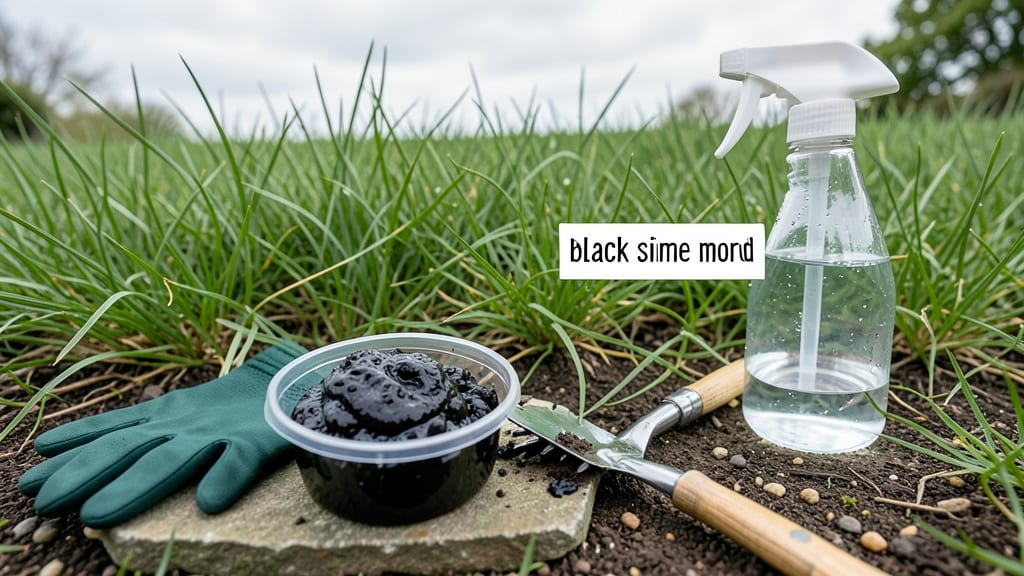
Black slime mold turns your lawn into a slick, dark mess overnight—no harm to grass, just a stubborn eyesore. 🌱 I’ve battled this slimy invader after heavy rain, and the good news?
It disappears faster than you’d think with the right approach. The key is acting quickly before it spreads across your entire yard.
This gunk thrives when lawn debris sits too long under damp conditions, creating the perfect breeding ground. Compacted soil and poor drainage make it worse, trapping moisture where the mold loves to grow. Most homeowners panic thinking it’s a fungus that’ll kill their grass—but it’s actually harmless, just unsightly.
You’ll have that lawn looking fresh again in 24-48 hours with simple tools: a stiff rake, a hose, and maybe a leaf blower for stubborn patches.
No chemicals needed—just remove the debris, let the sun dry it out, and prevent future buildup. The secret is keeping your lawn clean and well-aerated.
Works for any yard, whether you’ve got a small patch or a full field of slimy trouble. Here’s how to tackle it fast without damaging your grass—no fungicides required.
Root Causes Behind Fungal Growth
Black slime mold—scientifically known as Aureobasidium pullulans—isn’t actually a mold in the traditional sense but a fast-growing, saprophytic fungus that thrives under specific conditions. Unlike harmful pathogens, it feeds on decaying organic matter, but its rapid spread can still leave your lawn looking unsightly.
Understanding why it appears is the first step to preventing it. Let’s break down the key factors that turn your lawn into a slime mold buffet.
Black slime mold is a water-loving organism. It spreads most aggressively when lawns are saturated—whether from heavy rainfall, frequent watering, or poor drainage. Here’s why moisture matters:
- High Humidity: The fungus releases spores that float in damp air, landing on grass blades and multiplying within hours. Think of it like a fungal cloud settling over your lawn.
- Compacted Soil: If water pools or drains slowly, soil stays soggy. Compacted lawns (often from foot traffic or heavy equipment) trap moisture, creating the perfect breeding ground.
- Morning Dew: While dew itself isn’t the issue, lawns that stay wet all day (due to shade or poor airflow) give the mold a 24/7 feast.
Actionable Fix: Test your lawn’s drainage by pouring 1 inch of water—if it pools after 6 hours, aerate and improve soil structure with compost.
Black slime mold is a detritivore, meaning it feasts on dead plant material. If your lawn has:
- Thatch buildup (a layer of dead grass and roots)
- Leaves, twigs, or mulch left to decompose
- Weakened grass from disease or drought stress
…the mold sees it as an all-you-can-eat buffet. It doesn’t harm living plants directly but smothers them by forming a thick, black mat that blocks sunlight.
Pro Tip: 💡 Rake up debris regularly, especially in shaded or damp areas. A light dethatching (with a rake or verticutter) in spring can starve the mold of its favorite snacks.
Sunlight is nature’s fungicide. Black slime mold thrives in:
- Lawns under trees or buildings
- Areas with dense grass growth that shades the soil
- North-facing yards that get minimal sunlight
Without UV rays, the fungus grows uninhibited. Even partial shade (like 4+ hours of daily shade) can trigger outbreaks. Why? Cool, damp shade slows grass growth, making it easier for the mold to take over.
Actionable Fix: If possible, thin out tree canopy or plant sun-loving grass varieties (like fine fescue) in shaded spots. A reflective mulch (like white gravel) can also bounce light onto the lawn.
Black slime mold is a cool-weather opportunist. It peaks in:
- Spring (40–60°F): After winter rain or early-morning dew, it erupts overnight.
- Fall (50–70°F): As temperatures drop and grass slows down, the mold moves in.
Heat (above 80°F) actually inhibits its growth, which is why summer outbreaks are rare. However, sudden temperature swings (like warm rain after a cold snap) can trigger rapid spore release.
Pro Tip: ✨ Mow higher in spring/fall (3–4 inches) to improve airflow and reduce moisture retention in the grass blades.
A healthy lawn is resistant to black slime mold. Stress factors like:
- Nutrient deficiencies (especially nitrogen)
- Over- or under-watering
- Pest damage (grubs, chinch bugs)
- Improper mowing (scalping the grass)
create openings for the fungus. Weak grass can’t compete, so the mold spreads like wildfire.
Actionable Fix: Test your soil and fertilize with a balanced, slow-release formula (like 10-10-10). Avoid high-nitrogen fertilizers in fall—they encourage tender new growth that mold loves.
Quick Fixes for Black Slime
Black slime mold may look alarming, but it’s usually harmless to your lawn and disappears on its own—often within 24 to 48 hours after rain or watering stops.
However, if you want to speed up the process or prevent it from becoming a recurring issue, here’s how to tackle it organically and effectively.
The first step is to stop watering your lawn until the slime mold dries up. Once it’s gone, you can take these actions:
🍳 Scrape or Rake It Away
- Use a plastic rake (metal can damage grass) to gently scrape the black slime into a pile.
- Collect it in a bag or bucket and dispose of it in the trash—do not compost it, as it can spread.
- Avoid disturbing the soil too much, as this can weaken grass roots.
👨🍳 Boost Airflow and Sunlight
Slime mold thrives in shady, damp, or dense areas.
To prevent it from returning: - Thin out thick grass by mowing higher (3–4 inches) to improve airflow. - Trim overhanging branches or bushes casting heavy shade. - Rake up fallen leaves and debris that trap moisture.
🥘 Adjust Watering Habits
- Water early in the morning (before 10 AM) to allow grass to dry quickly.
- Reduce frequency—deep, infrequent watering (1–1.5 inches per week) is better than daily light sprinkles.
- Avoid overwatering, especially in shady spots where slime mold loves to grow.
If black slime keeps reappearing, take these long-term fixes to keep your lawn healthy and slime-free:
🌡️ Improve Soil Drainage
- Test your soil’s drainage—if water pools after rain, amend with compost or sand to loosen compacted soil.
- Consider aerating your lawn in spring or fall to help roots breathe.
✨ Strengthen Your Grass
- Overseed thin or bare patches with a disease-resistant grass variety suited to your climate.
- Apply a light organic fertilizer (like compost or fish emulsion) in early spring to encourage dense, healthy growth.
🎯 Monitor and Act Fast
- Check your lawn after rain—if slime starts forming, let it dry out naturally before raking.
- Avoid fungicides (they’re unnecessary and can harm beneficial microbes).
💡 Pro Tip: If slime mold keeps coming back in the same spot, consider replacing that area with clover or a ground cover—these plants tolerate shade and moisture better than grass.
By following these steps, you’ll eliminate existing slime mold and prevent future outbreaks without harsh chemicals. Your lawn will stay lush, healthy, and slime-free! 🌱
Frequently asked questions
Is black slime mold harmful to my lawn or grass?
No, black slime mold is completely harmless to your grass and plants! It feeds on organic debris but won't damage living grass. The only issue is the unsightly black film that can smother small plants if left unchecked. Think of it as nature's way of cleaning up dead material—just not where you want it.
Why does black slime mold appear so suddenly?
This mold grows rapidly under perfect conditions: moisture, cool temperatures (40-60°F), and organic debris. After heavy rain or morning dew, spores activate and spread within hours, creating that slimy black mat overnight. It's nature's quick response to damp conditions.
Can I use vinegar or hydrogen peroxide to remove it?
While vinegar (1:1 water dilution) or 3% hydrogen peroxide can help kill the mold, they're unnecessary for this harmless fungus. Simply raking and letting sunlight dry the area works better. These solutions might harm beneficial soil microbes and could damage grass if overused. Stick to mechanical removal first!
Will black slime mold come back if I don't treat it?
Yes, it will likely return if the conditions that created it remain. The mold thrives in shady, damp areas with organic debris. To prevent recurrence, address the root causes: improve drainage, reduce shade, and keep your lawn clean. With proper care, you can eliminate it permanently.
Can I still walk on my lawn while black slime mold is present?
Yes, you can walk on it—it won't harm your grass or shoes. However, avoid spreading it by not tracking mold spores to clean areas. If you notice it on your shoes, simply wipe them off. The mold disappears quickly once conditions dry out. Just be prepared for a slightly slippery surface!