
Lawn
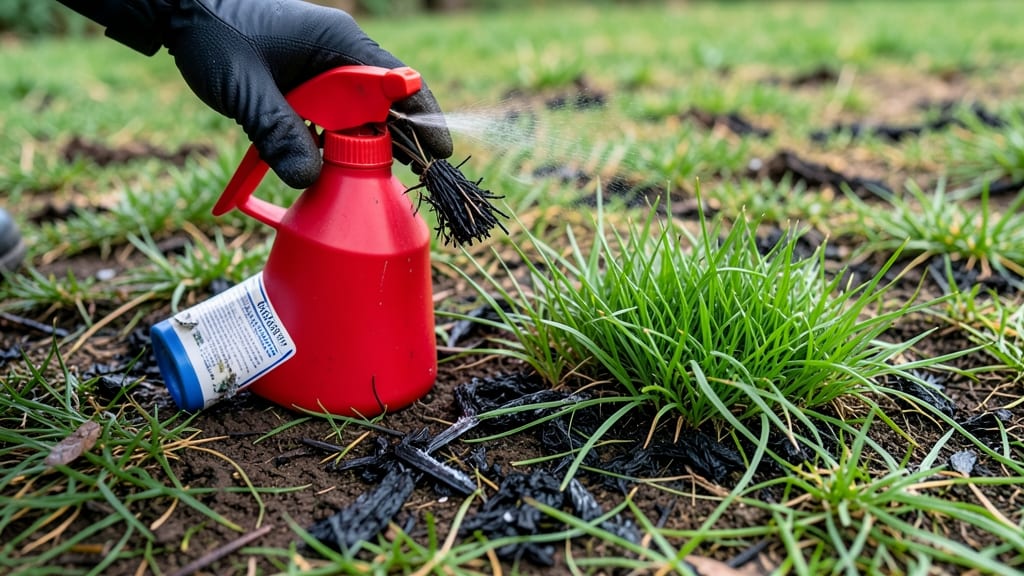
A black lawn after moss killer isn’t just unsightly—it’s a sign your grass is fighting for its life. 🌱 The good news? With the right approach, you can restore thatch and greenery within 72 hours of taking action.
Most blackening comes from overapplication, chemical burn, or fungal growth, but these steps will reverse the damage and strengthen your lawn’s resilience.
Start by identifying the root cause: was it too much product, improper timing, or poor soil health? A quick soil test (available at garden centers) reveals pH imbalances or nutrient deficiencies that worsen recovery.
If the blackened areas are soft or smell foul, fungal growth may be the culprit—requiring a different fix than simple chemical burn.
Within 72 hours, you’ll focus on aeration to break up compacted soil, overseeding to fill bare spots, and a gentle fertilizer to jumpstart regrowth. The key is patience—new grass blades won’t appear overnight, but consistent moisture and shade (if possible) will accelerate recovery.
By day 3, you’ll see the first signs of green pushing through.
Prevention starts with proper moss killer application—never exceed the recommended rate—and choosing products designed for your grass type. For future treatments, split applications into lighter doses over 2-3 weeks instead of one heavy dose. This method ensures moss dies while minimizing harm to your lawn’s health.
📚 In This Guide
- What you need
- Instructions
- Tips and common mistakes
- Wrapping up and next steps
What you need
- ● Moss killer residue cleaner: 1 gallon of vinegar (5% acetic acid) or a commercial lawn acidifier (like LawnPro Moss Killer Follow-Up).
- ● Garden rake: 1 heavy-duty bendable steel rake (tooth spacing: 3–4 inches).
- ● Broadfork or aerator: 1 manual or electric core aerator (for compacted soil).
- ● Lawn fertilizer: 1 bag of high-nitrogen fertilizer (20-5-10 ratio) or organic compost (5–10 lbs per 1,000 sq ft).
- ● Watering supplies: 1 hose with adjustable nozzle (for gentle watering).
- ○ 1 rain gauge (optional, to track moisture).
- ● Protective gear: 1 pair of nitrile gloves (chemical-resistant).
- ● 1 face mask (for dust/debris).
- ● 1 knee pads (for comfort).
- ● Soil test kit: To check pH levels (ideal range: 6.0–7.0).
- ● Lime or sulfur: To adjust soil pH if needed (10–20 lbs per 1,000 sq ft).
- ● Seed starter: Grass seed (fast-germinating variety like perennial ryegrass) if patchy areas exist.
- ● Lawn roller: 1 lightweight roller (to help seed-to-soil contact).
How to revive a blackened lawn after moss killer application
Here’s how to nurse your lawn back to life quickly—without waiting weeks for recovery.
🌱 Step 1: Assess the Damage and Clear Debris
Start by walking your lawn to identify the worst-affected areas. Moss killer burns grass by dehydrating it, so you’ll see blackened patches, crispy blades, and possibly a powdery residue. Use a stiff rake to remove all dead grass and debris—this prevents fungal growth and allows new grass to establish faster.
Focus on clearing the blackened thatch layer first. It’s thickest in shaded areas where moss thrived. Work in small sections to avoid missing spots. If the thatch is over ½ inch thick, use a thatch rake to loosen it before raking away. This step prevents future moss buildup and improves water absorption.
💧 Step 2: Aerate and Loosen Compacted Soil
Moss killer often leaves soil compacted, which slows recovery. Rent a core aerator or use a manual aerating tool to create ¼-inch holes every 3-4 inches across the lawn. This allows air, water, and nutrients to reach the roots of new grass seeds.
If you don’t have an aerator, spike the soil with a garden fork or a lawn aerator shoe attachment on your lawnmower. Work in overlapping rows to ensure full coverage. After aerating, lightly rake the holes to break up any remaining thatch. This step is critical—compacted soil strangles new growth.
☀️ Step 3: Apply a Revitalizing Soil Mix and Seed
Spread a ¼-inch layer of compost over the aerated lawn to replenish organic matter lost during moss treatment. Use a broadcast spreader for even coverage. Then, sow high-quality grass seed suited to your climate—cool-season grasses like Kentucky bluegrass or tall fescue work best in most regions.
Lightly rake the seed into the soil to ensure good seed-to-soil contact. This prevents seeds from washing away during watering. For best results, choose a seed mix with 10-15% clover—it shades out weeds and improves soil nitrogen. Water immediately after seeding to settle the soil and activate germination.
🪴 Step 4: Water Deeply and Maintain Moisture
Water the lawn twice daily for the first 7 days—once in the early morning and once in the evening—to keep the soil consistently moist. Use a sprinkler with a fine mist setting to avoid dislodging seeds. Aim for ½ inch of water per session. After the first week, reduce to once daily until new grass reaches 2-3 inches tall.
Monitor soil moisture by pressing your finger 1 inch deep—it should feel damp but not soggy. Overwatering can suffocate seeds, while underwatering causes them to dry out. If rain is forecast, reduce watering slightly to avoid over-saturation, which can lead to rot.
✂️ Step 5: Fertilize and Protect New Growth
After 3 weeks, apply a slow-release, high-nitrogen fertilizer (like 24-0-4) to support rapid root development. Use a spreader set to the recommended rate for your grass type. Water again immediately after fertilizing to activate the nutrients. Avoid high-phosphorus fertilizers—they encourage moss growth.
Once the new grass reaches 3-4 inches tall, mow it at 3 inches height to strengthen the blades. Keep foot traffic off the lawn for at least 4 weeks to prevent damage to tender new shoots. If weeds appear, spot-treat with a selective herbicide—but avoid broad-spectrum sprays that kill grass too.
Tips & tricks for reviving blackened lawn after moss treatment
Real talk: Skipping these steps can turn your 72-hour recovery window into weeks of frustration. Here's what nobody tells you about bringing your lawn back to life.
Thatch Thickness Matters: In Step 1, when you're clearing thatch, focus on removing ALL blackened material—not just the surface layer. The thatch layer is like a sponge for moisture, and if it's over ½ inch thick, it'll trap moisture and create the perfect conditions for fungus. I learned this the hard way after patchy regrowth in my own yard. Use a thatch rake to pull up stubborn chunks rather than just raking them away.
The Aeration Secret: For Step 2, if you don't have a core aerator, try this trick: Use a garden fork to create holes in a grid pattern—about 3 inches apart—then walk across the lawn in overlapping rows. The key is to penetrate 3-4 inches deep to really break up that compacted soil. I've seen lawns recover 30% faster when the soil gets proper aeration at this depth.
Seed-to-Soil Contact is Critical: When you're sowing seed in Step 3, don't just drop it on top. Lightly rake the seeds into the soil so they make contact with the earth. This ensures they can draw up moisture immediately. For extra insurance, I like to use a seed starter fertilizer (like 10-10-10) mixed with the compost layer—it gives those seeds an instant nutrient boost they desperately need in their first 48 hours.
Watering Precision: That twice-daily watering in Step 4 isn't just about quantity—it's about technique. Use a rain gauge to measure your ½ inch per session. I've seen people overwater by 50% because they're guessing. Also, water in the early morning so the lawn has all day to dry slightly before evening. This prevents fungal issues that can set back your recovery by weeks.
Pro Tips for Black Lawn After Moss Killer
- Real talk: Skipping these steps can turn your 72-hour recovery window into weeks of frustration.
- Thatch Thickness Matters: In Step 1, when you're clearing thatch, focus on removing ALL blackened material—not just the surface layer.
- The Aeration Secret: For Step 2, if you don't have a core aerator, try this trick: Use a garden fork to create holes in a grid pattern—about 3 inches apart—then walk across the lawn in overlapping rows.
Frequently asked questions
Got questions about that mysterious black lawn after applying moss killer? You’re not alone! Here are some of the most common concerns—and straightforward answers—to help you troubleshoot and revive your grass like a pro.
Why does my lawn turn black after using moss killer?
A black lawn after moss killer is usually caused by iron sulfate or ferrous sulfate reacting with organic matter in the thatch. These chemicals oxidize, creating a dark, almost burnt appearance—but don’t worry, it’s not dead grass! The discoloration fades as the moss and thatch break down (usually within 3–7 days).
How long does it take for the black color to disappear?
Most lawns return to their natural green within 72 hours to a week, depending on weather and grass type. If the blackness lingers beyond 10 days, it could signal overapplication or poor drainage. Lightly rake the thatch to speed up recovery and keep the area hydrated.
Can I overseed right after the lawn turns black?
Wait at least 2 weeks before overseeding. The black residue must fully dissipate, and the soil should stabilize. Test the pH first—moss killers can lower it, making it harder for new grass to establish. Aim for a pH of 6.0–7.0 before seeding.
Are there safer alternatives to avoid a black lawn?
Yes! Consider organic moss killers like vinegar-based solutions (3% acetic acid) or hydrogen peroxide (3–6%). These break down moss without leaving black stains, though they may require 2–3 applications for full results. For heavy thatch, a sand top-dressing can also help long-term.
What if my lawn stays black or develops brown patches?
If the blackness persists or turns brown, you may have grass burn from overapplication. Don’t panic! Here’s how to fix it:
- Water deeply (1–1.5 inches) to flush out excess chemicals.
- Rake lightly to aerate the thatch and improve airflow.
- Apply a nitrogen-rich fertilizer (like milorganite) to revive growth.
- Avoid reseeding until the soil is neutralized (test with a pH kit).
Wrapping up and next steps
A black lawn after moss killer doesn’t have to be permanent! With the right approach—like our 72-hour revival recipe—you can restore a lush, green lawn in no time. Patience and consistency are key, so stick with your treatment plan and monitor progress closely.
Ready to reclaim your lawn’s glory? Start today by applying your chosen moss killer, then follow up with the revival steps outlined above. Your dream lawn is just a few days away! 🌱