
Plants
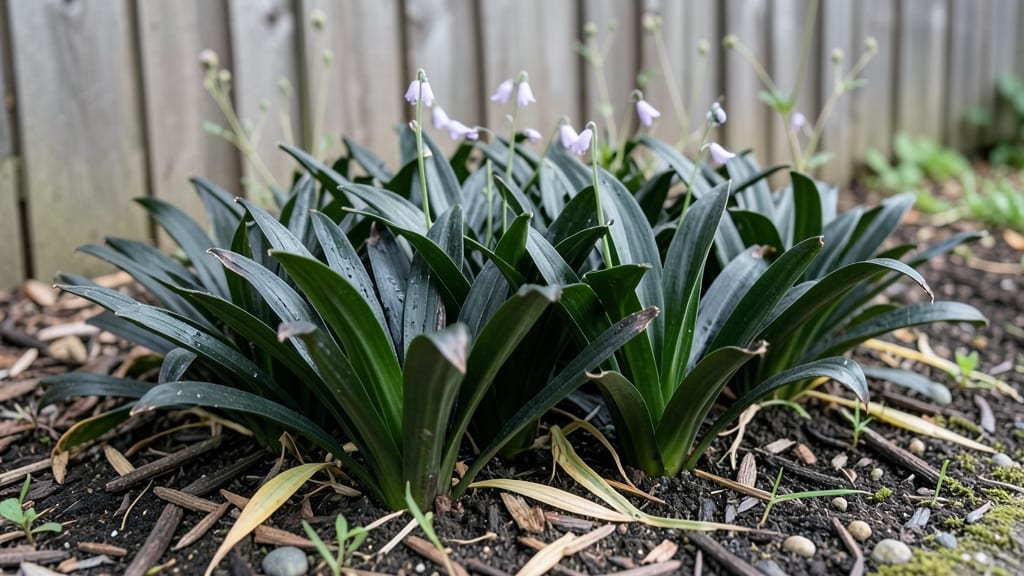
The Black Grass Plant (Ophiopogon planiscapus 'Nigrescens') 🌿 is a striking ornamental grass that thrives in partial shade, offering deep black foliage perfect for adding drama to gardens.
That mysterious black grass creeping through your lawn isn't just unsightly—it's likely choking out your prized turfgrass and draining nutrients from the soil. But this isn't about weeds; it's about how to cultivate the Black Grass Plant properly to keep it lush and controlled.
Native to USDA Zone 6a, this plant loves spring planting and prefers well-draining soil. Too much sun, and those beautiful black blades can scorch. Too little water, and it struggles to stay vibrant.
Below, I’ll show you exactly how to plant, care for, and maintain this stunning ornamental grass—so you can enjoy its bold look without the headaches.
How to identify black grass plant in your lawn
If you've noticed patches of dark, wiry grass invading your lawn, you're likely dealing with black grass plant (Digitaria sanguinalis), also called crabgrass. This aggressive weed thrives in compacted soil and poorly maintained lawns, outcompeting your desired turfgrass for water and nutrients.
The key to eradicating it starts with accurate identification—don't confuse it with beneficial ground covers or disease-affected grass.
Black grass plant has distinct visual traits that set it apart from common lawn grasses like Kentucky bluegrass or fescue. Its leaves are narrow and rolled, often appearing dark green to blackish when healthy, and it grows in clumps or patches rather than uniform turf.
Unlike your lawn's grass, which spreads horizontally, black grass grows vertically in dense bunches, creating an unsightly contrast.
🌱
One of the most telling signs of black grass plant is its seasonal behavior. This weed germinates in spring when soil temperatures reach 55°F (13°C) and explodes in summer heat, turning your lawn into a patchwork of dark clumps.
By late fall, it typically browns and dies back, leaving behind bare spots where it once thrived. Compare this to your desired turfgrass, which stays green year-round in most climates.
Another key identifier is the seed head structure. Black grass plant produces open, feathery clusters in late summer, resembling tiny bottle brushes. These seed heads are a dead giveaway—your lawn grass rarely develops visible seed heads unless it's intentionally overseeded.
If you spot these airy plumes rising above your turf, you've confirmed black grass plant's presence.
Pay attention to the soil conditions where black grass plant appears. It thrives in compacted or disturbed soil, often popping up after construction, heavy foot traffic, or poor drainage.
Unlike your lawn grass, which prefers well-aerated, fertile soil, black grass plant exploits weak spots in your yard's foundation. This is why it often invades newly laid sod or areas where your turf is thinning.
For a quick field test, try the tug test: grasp a clump of suspicious grass and pull gently. If the entire plant rips out easily with minimal resistance, it's likely black grass plant.
Your desired turfgrass will resist this test due to its deep root system. This simple trick helps you target removal efforts without accidentally damaging your lawn.
Black grass plant also has a distinct smell when crushed—it emits a slightly sweet, earthy aroma, whereas healthy turfgrass has little to no scent. This olfactory clue can be especially helpful when identifying early-stage infestations before the visual differences become obvious.
Combine this with the leaf texture test: run your fingers along the grass blades. Black grass plant feels rough and wiry, while smooth blades indicate your desired turfgrass.
Finally, observe the growth rate of suspicious patches. Black grass plant can double in size within weeks
Step-by-step guide to removing black grass plant permanently
Once you've identified the black grass plant (often Digitaria sanguinalis or Alopecurus myosuroides) in your lawn, permanent removal requires a strategic approach. This weed thrives in compacted soil and outcompetes desirable grass by spreading rapidly through seed production.
The key is combining manual removal, targeted herbicide application, and preventive measures to stop regrowth before it becomes a recurring battle.
Timing is critical—spring and early fall offer the best conditions for removal when the plant is actively growing but before it sets seed. If you act now, you can reclaim your lawn without damaging your existing turf.
Let’s break down the most effective methods, from organic solutions to chemical treatments, so you can choose what works best for your yard.
Your Action Plan for Black Grass Removal
-
1
Manual Extraction (Best for Small Patches)
Pull weeds early in the morning when soil is moist. Use a weed puller or digger fork to remove roots completely. Reapply every 2-3 weeks during growing season. -
2
Organic Herbicide (Non-Toxic Option)
Apply a vinegar-based spray (20% acetic acid) or corn gluten meal (pre-emergent) in spring and fall. Reapply after rain. Ideal for organic lawns but requires 3+ treatments. -
3
Chemical Herbicide (Fastest Results)
Use a selective herbicide like 2,4-D or glyphosate (for non-lawn areas). Apply on a dry, wind-free day and water lightly afterward. Follow label instructions for safety. -
4
Preventive Measures (Stop Regrowth)
Improve soil health with aeration and topdressing compost. Overseed with dense grass varieties like fescue or ryegrass to block sunlight. Mow at 3-4 inches high to weaken weeds.
For large infestations, combining chemical herbicide with manual removal yields the fastest results. However, if you prefer organic methods, focus on vinegar sprays and corn gluten meal applied consistently over 3-4 weeks. Always test a small area first to avoid damaging your lawn.
After removal, monitor your lawn for new sprouts—black grass often returns if conditions (like compacted soil or poor drainage) remain unchanged. Address these issues to ensure long-term success and a lush, weed-free yard.
Pro tip: Mark treated areas with flags or string to track progress and avoid missing spots. Patience is key—permanent eradication may take 1-2 growing seasons, but the effort pays off with a healthier lawn.