
Lawn
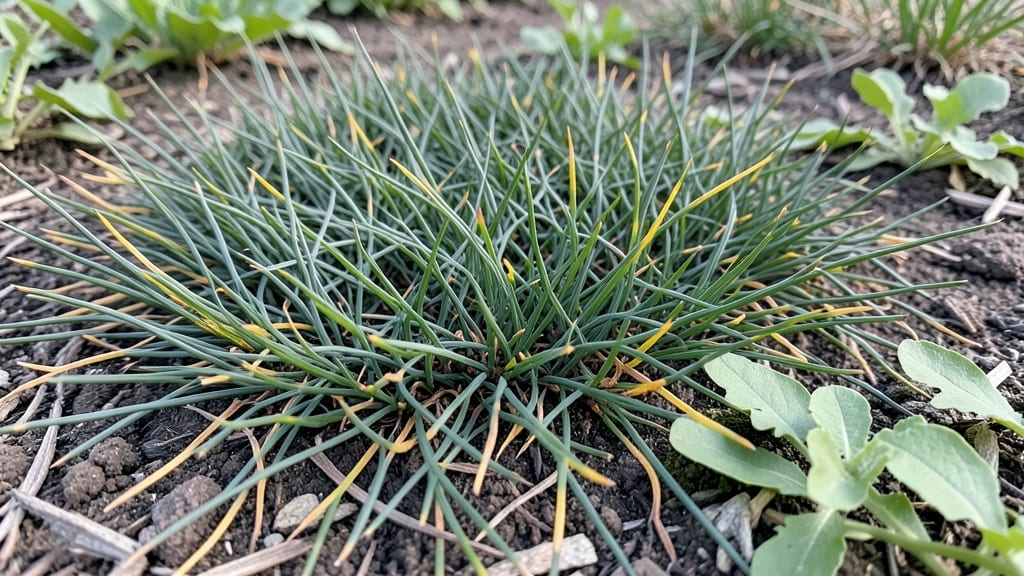
Weed grass differs from healthy lawn grass in key ways—it grows with wider blades, uneven patterns, and thrives in poor soil or shaded spots, while lawn grasses like Kentucky bluegrass or fescue maintain uniform, narrow blades and stay vibrant in well-kept conditions.
Weed grass isn't just a nuisance—it's a clear visual and growth pattern red flag for lawn health. 🌱 The irregular, patchy spread often signals poor soil quality or moisture issues, while healthy grass grows densely with consistent texture.
I've seen crabgrass and nutgrass take over lawns within weeks if left unchecked, crowding out desirable varieties. The key is catching these invaders early, before they establish deep root systems that make removal harder.
For example, crabgrass spreads aggressively in summer heat, while nutgrass thrives in damp areas. Both have distinct seed heads that help with identification—crabgrass forms dense clusters, while nutgrass produces triangular stems.
Understanding these differences helps you target removal methods effectively, whether through manual pulling, herbicides, or improving soil conditions to favor your lawn grass.
💡 In This Article
- Key Differences Between Weed Grass and Lawn Grass
- How to Identify and Remove Common Weed Grass Types
Key differences between weed grass and lawn grass
The most obvious visual difference lies in the leaf width and texture. Weed grasses like crabgrass typically have blades measuring 1/8 to 1/4 inch wide, with rough, hairy edges that feel coarse to the touch.
In contrast, desirable lawn grasses such as Kentucky bluegrass or fine fescue have much narrower blades—often just 1/16 to 1/8 inch wide—with smooth, silky surfaces. This width difference isn't just cosmetic; it affects how the grass competes for sunlight and nutrients.
Root systems tell an even more revealing story. Weed grasses like nutgrass develop fibrous, shallow roots that spread aggressively horizontally, creating a dense mat just below the soil surface. These roots can extend up to 3 feet from the plant, making them difficult to eradicate once established.
Lawn grasses, however, develop deeper, more extensive root systems—Kentucky bluegrass can grow roots up to 6 inches deep—which helps them withstand drought and crowd out weeds naturally. 🌱
Growth patterns reveal the competitive strategies at play. Weed grasses often exhibit irregular, patchy growth with random seed heads that appear at inconsistent heights. Crabgrass, for instance, forms dense clumps with seed heads that resemble tiny crab claws, while nutgrass produces triangular stems with seed pods.
Lawn grasses, on the other hand, grow uniformly with seed heads that appear at consistent heights across the entire lawn, creating a predictable, manicured look.
Environmental preferences further distinguish these grasses. Weed grasses thrive in poor soil conditions, often taking root in compacted or nutrient-deficient areas where lawn grasses struggle. They also adapt well to shaded spots and fluctuating moisture levels, making them resilient in environments where lawn grasses would wither.
For example, crabgrass flourishes in full sun during summer heat, while nutgrass prefers damp, low-lying areas where water pools after rain.
Seed head structures offer another key identification clue. Weed grasses typically produce abundant, lightweight seeds that disperse easily, allowing them to colonize quickly. Crabgrass seeds, for instance, have fine, feathery attachments that catch the wind, while nutgrass seeds develop in triangular pods that split open when mature.
Lawn grasses like Bermuda produce denser seed heads that stay closer to the plant, reducing their spread potential. This difference explains why weed grasses can overtake a lawn within weeks, while lawn grasses establish more slowly but create a stable, long-lasting turf.
Finally, consider the growth rate and seasonal behavior. Weed grasses like crabgrass germinate rapidly in warm soil, often appearing within 5-10 days of seed contact, and grow aggressively during summer months.
Lawn grasses, however, have more gradual growth cycles, with Kentucky bluegrass growing best in cooler temperatures and Bermuda thriving in hot climates but requiring more time to establish. This seasonal difference is why weed grasses often dominate newly seeded lawns or areas with poor soil preparation.