
Pruning
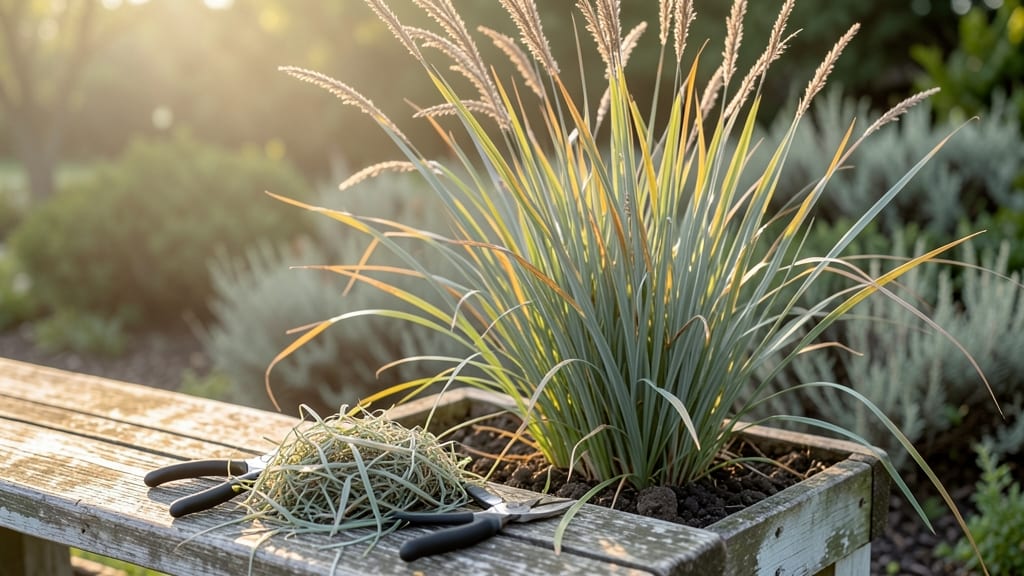
The best way to cut ornamental grasses starts with a sharp pair of loppers and a clear plan—because one wrong snip can ruin months of growth. I’ve learned the hard way that cutting too low or at the wrong time turns those airy plumes into sad, leggy shadows.
The secret lies in timing, height, and knowing which varieties need a hard cut versus a gentle trim.
Most grasses thrive when cut back in late winter or early spring, just before new growth begins. For varieties like fountain grass or maiden grass, aim to cut back to 6–8 inches above the ground—never lower, or you’ll expose the crown to rot.
Feathery grasses like pampas or switchgrass can handle a more dramatic trim, right down to the ground, but only after they’ve finished flowering for the season.
You’ll see the difference in just a few weeks: fresh, velvety-green shoots pushing through, followed by those signature plumes returning stronger than ever.
The key is patience—rushing the process leads to bare spots, while proper timing ensures your grasses stay lush, full, and ready to sway in the breeze all year.
This method works for both formal gardens and wild, naturalistic landscapes, and it’s just as effective in containers as it is in the ground. Once you master the technique, your grasses will look like they’ve been professionally landscaped—without the hefty price tag.
📚 In This Guide
- What you need
- Instructions
- Tips and common mistakes
- Wrapping up and next steps
What you need
- ● Pruning shears or hedge shears: Sharp, bypass-style blades (4–6" length) for clean cuts. Required for most grasses.
- ● Heavy-duty pruners (loppers): For thicker stems (e.g., Miscanthus or Panicum)—opt for 10–12" bypass loppers with ergonomic grips.
- ● Hedge trimmers (electric or manual): Ideal for large swaths of Cortaderia (pampas grass) or Imperata. Choose 20–24" blades for efficiency.
- ● Gloves: Heavy-duty, gardening gloves (leather or reinforced) to protect against sharp edges and sap.
- ● Knee pads or stool: For comfort during extended pruning sessions—highly recommended if you have multiple clumps.
- ● String trimmer (weed whacker): For fast cleanup of debris after pruning—use a low-speed setting to avoid damaging stems.
- ● Pruning saw: A curved-tooth saw for stubborn, woody bases (e.g., Andropogon after 3+ years).
- ● Disinfectant (70% isopropyl alcohol): Wipe blades before and after use to prevent disease spread.
- ● Marking flags or spray paint: To map out where you’ve cut if working in stages.
- ● Compost bin or bags: For sustainable disposal of clippings (most ornamental grasses are 100% compostable).
- ● Check the weather: Prune on a dry, overcast day to avoid stressing freshly cut grasses.
- ● Know your grass: Research your specific variety—some (like Stipa) need minimal trimming, while others (e.g., Miscanthus) thrive with annual cuts.
- ● Safety gear: Wear safety goggles if using power tools near faces/eyes.
- ● Clear the area: Remove rocks, toys, or pets from the workspace to avoid accidents.
Step-by-step instructions for cutting ornamental grasses like a pro
Here’s how I transform clumps from wild to sculpted—no guesswork, just clean cuts every time.
Choose the Right Time for Each Season
Timing makes all the difference. For late winter or early spring, cut back before new growth appears—this is when grasses are dormant and easiest to shape. I wait until late February or March in my zone, when temperatures hover around 40-50°F. Avoid cutting in fall unless you’re removing dead foliage, as this can expose tender new shoots to winter damage.
For summer or fall maintenance, trim after grasses have finished flowering but before seeds form. This keeps your garden tidy while preserving the natural seed heads that add winter interest. Watch for brown seed clusters—that’s your cue to act before they scatter.
Gather the Right Tools for Clean Cuts
Never use dull shears—sharp pruners or hedge clippers are a must for clean cuts that heal faster. I reach for my bypass pruners for smaller clumps and heavy-duty hedge shears for taller varieties like Miscanthus. Avoid lawnmowers; they tear fibers and leave ragged edges that look unkempt.
For very large clumps, a hand saw with a fine-tooth blade works best. Always sanitize your tools with rubbing alcohol before and after cutting to prevent spreading disease. You’ll notice the difference immediately—neat cuts mean healthier regrowth.
Cut at the Correct Height and Angle
Never cut below the lowest permanent crown—this is where new growth emerges. For most grasses, aim to leave 2-3 inches of stubble above the soil line. I mark the height with my hand or a ruler to stay consistent. Cutting too low stresses the plant and can kill it.
Angle your cuts slightly upward at the base—this prevents water from pooling and rotting the crown. For clumps wider than 2 feet, work in sections to avoid bending stems. You’ll see the difference in how evenly the plant fills back in over the season.
Remove Debris and Check for Damage
After cutting, gather all clippings and remove them from the area. Leaving old foliage piled around the base can trap moisture and invite pests. I rake up debris and compost it—it’s nutrient-rich and perfect for next year’s garden.
Inspect the cut stems for any brown or mushy sections—these are signs of disease or rot. Trim away any damaged areas immediately with sterilized tools. Healthy tissue should be firm and green just above the cut line.
Water and Fertilize for Strong Regrowth
Give your grasses a deep watering after pruning to help them recover. Focus on the root zone—this encourages new shoots to emerge quickly. I water until the soil feels moist 2 inches down, then let it dry slightly before watering again.
Apply a balanced fertilizer (like 10-10-10) in early spring to support new growth. Avoid high-nitrogen fertilizers in fall—they promote tender shoots that won’t survive winter. You’ll notice stronger stems and fuller clumps within 4-6 weeks of proper care.
Tips & tricks for perfect ornamental grass pruning
Here's how to elevate your grass-cutting game from basic maintenance to professional-level precision.
Seasonal Timing is Everything: The late February to March window in your zone (around 40-50°F) is ideal for late winter pruning because grasses are dormant and regrowth is just beginning. If you're working with summer grasses, wait until after flowering but before seed formation—this preserves their natural beauty while keeping your garden tidy. I've learned the hard way that cutting too early can expose tender shoots to winter damage, while waiting too late means dealing with seed scatter.
Tool Sharpness Makes All the Difference: Dull tools are the number one cause of ragged cuts that look unprofessional. Always use sterilized bypass pruners for smaller clumps and heavy-duty hedge shears for taller varieties. For very large clumps, a fine-tooth hand saw works best. I keep a small bottle of rubbing alcohol in my gardening toolkit to sterilize tools between cuts—this simple step prevents disease spread that can ruin your entire plant collection.
Height and Angle Secrets: When cutting, aim to leave 2-3 inches of stubble above the soil line—this protects the crown where new growth emerges. For clumps wider than 2 feet, work in sections to avoid bending stems. The upward angle at the base is crucial—it prevents water pooling that leads to crown rot. I use a small ruler to mark my cutting height consistently, especially when working with multiple grass varieties in the same garden.
Post-Cut Care for Healthy Regrowth: After pruning, focus on the root zone with a deep watering that keeps soil moist 2 inches down. This encourages strong new shoots to emerge quickly. I've found that applying a balanced 10-10-10 fertilizer in early spring gives the best results, with noticeable improvement in stem strength within 4-6 weeks. The key is consistency—don't skip the watering or fertilizing steps if you want that professional, manicured look all season long.
Pro Tips for Best Way To Cut Ornamental Grasses
- Here's how to elevate your grass-cutting game from basic maintenance to professional-level precision.
- Seasonal Timing is Everything: The late February to March window in your zone (around 40-50°F) is ideal for late winter pruning because grasses are dormant and regrowth is just beginning.
- Tool Sharpness Makes All the Difference: Dull tools are the number one cause of ragged cuts that look unprofessional.
Frequently asked questions
Got questions about trimming your ornamental grasses like a pro? Here are some of the most common ones—and their straightforward answers!
When is the best time to cut ornamental grasses?
The ideal time depends on the type, but most ornamental grasses should be cut back in late winter or early spring (before new growth starts). For winter interest varieties, trim them in mid-spring to preserve their architectural beauty. Avoid cutting in fall—this removes insulation for roots and can harm cold-hardy species.
Do I need special tools to cut ornamental grasses?
Not necessarily! A sharp pair of pruners, hedge shears, or even a clean, heavy-duty lawnmower works for most grasses. For thicker clumps (like Miscanthus or Panicum), a bow saw or pruning saw makes the job easier. Just ensure your tools are sterilized to prevent disease spread.
What if I cut my ornamental grasses too short?
Don’t panic! While cutting too low can stunt growth, most ornamental grasses are resilient. If you’ve trimmed them below 6 inches, they’ll likely bounce back with new shoots. For next time, leave 1/3 of the plant’s height—this ensures healthy regrowth while keeping a tidy look.
Can I cut ornamental grasses in fall instead of spring?
It’s not recommended for most varieties. Fall trimming removes protective dead foliage that shields roots from winter cold. However, if your grasses are overgrown or diseased, a light trim in late fall (after frost) is better than leaving them unchecked. Always prioritize spring for a fresh start!
How do I clean up after cutting ornamental grasses?
Remove all debris to prevent pests and disease. For small clumps, rake or sweep up clippings. For larger areas, use a leaf blower. If composting, chop the clippings first—they break down faster! Pro tip: Wear gloves—some grasses (like Imperata cylindrica) can irritate skin.
Wrapping up and next steps
Cutting ornamental grasses doesn’t have to be intimidating—with the right tools, timing, and technique, you can keep them looking sharp and healthy all year long! Whether you’re trimming for aesthetics, growth control, or winter prep, the key is precision and patience.
Start small, follow seasonal cues, and don’t forget to clean up your workspace for a polished finish.
Ready to give your grasses a fresh start? Grab your shears, pick a sunny day, and get pruning! 🌿✂️ For extra confidence, revisit our FAQs or watch a step-by-step video to refine your skills. Happy gardening!