
Plants
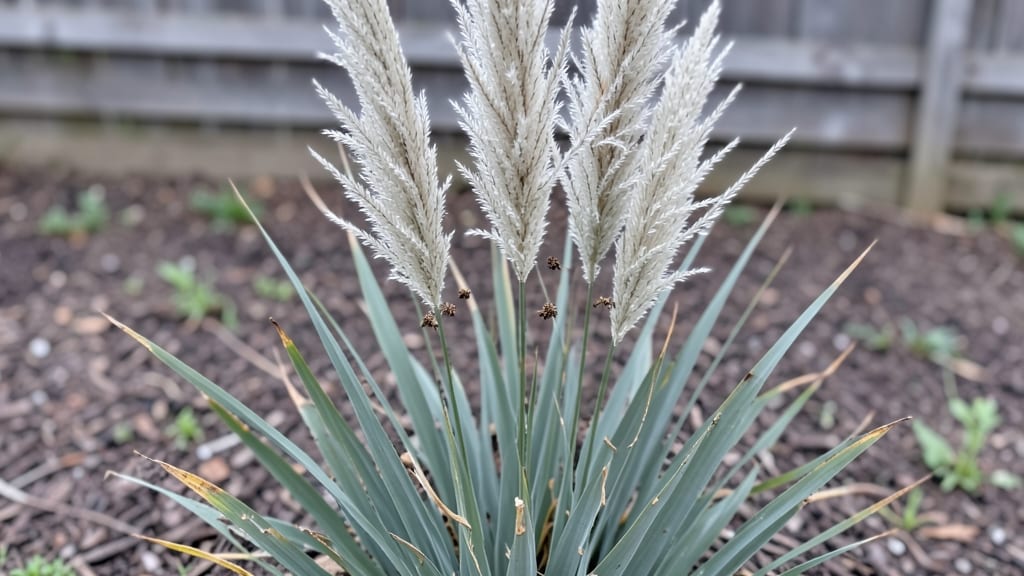
Growing short pampas grass 🌿 lets you enjoy its bold plumes without sacrificing garden space—these compact varieties top out at just 4 feet while still delivering drama.
If you love the dramatic flair of pampas grass but need a more manageable size for your garden, short varieties are the perfect solution—thriving in full sun while staying compact and easy to maintain.
In USDA Zone 6a, plant yours after the last frost in late spring—when soil warms and the risk of frost passes. With the right care, these grasses grow fast and reward you with lush, feathery plumes year after year.
Here’s how to pick the best variety, prep the soil, and keep your short pampas grass looking its best with minimal effort.
How to choose the best short pampas grass varieties for your garden
If you're dreaming of adding pampas grass to your garden but worry about its towering height, dwarf varieties are the game-changer you need. These compact versions deliver the same stunning plume displays without overwhelming your space. With full-sun tolerance and minimal maintenance, they're perfect for modern landscapes and small yards.
Not all short pampas grass varieties are created equal. Some stay under 3 feet tall, while others reach 6 feet but grow more slowly. Your choice depends on your garden's size, sunlight exposure, and how quickly you want to see results.
Let's break down the top dwarf varieties to help you pick the perfect fit.
Cortaderia selloana is the genus behind these showstoppers, and within it, you'll find 'Pumila', 'Baby Blue', and 'Silver Frost' leading the pack. Each has unique traits—some thrive in hotter climates, while others handle cooler zones better. The right pick ensures your investment grows into a lush, low-maintenance focal point.
Here's my comparison of the best short pampas grass varieties based on height, growth speed, and sunlight needs—so you can make an informed decision without guesswork.
'Pumila' is my top recommendation for small spaces because it stays under 4 feet tall and grows at a manageable pace. Its silver-blue plumes add texture without dominating your garden.
If you're in a cooler climate, 'Baby Blue' adapts better to partial shade and grows slower, making it ideal for border plantings where you want controlled height.
For hot, dry climates, 'Silver Frost' is unbeatable. It thrives on neglect once established and reaches 6 feet tall in just a few years. Its drought tolerance makes it perfect for xeriscaping projects where water conservation is key.
If you're in a windy area, 'Dwarf Pumila' is the most resilient choice—its compact size and sturdy stems handle gusts better than taller varieties.
When selecting your variety, consider your garden's microclimate. Even in full sun, some areas may get afternoon shade, which could slow growth. 'Baby Blue' handles this best, while 'Silver Frost' might need extra water in extreme heat.
Always check your USDA hardiness zone—most dwarf varieties thrive in zones 7-11, but 'Baby Blue' extends to zone 6 with protection.
Pro tip: Plant your short pampas grass in well-draining soil to prevent root rot. Amend heavy clay with compost or sand for optimal growth. Once established, these varieties need minimal watering, making them ideal for low-maintenance gardens.
Just be prepared for their annual plumes to spread seeds—consider placing them near pathways where you can easily clean up.
If you're unsure which to choose, start with 'Pumila'—it's the most versatile for beginner gardeners. For a bold statement in a sunny corner, 'Silver Frost' delivers dramatic flair. And if you love textural contrast, 'Baby Blue' pairs beautifully with purple or orange flowers in late summer blooms.
Remember, these grasses grow best when planted in spring or early fall. Give them 6-12 inches of space between plants to allow airflow, which reduces disease risk. With the right variety and care, your short pampas grass will reward you with
Fast-growth care tips for short pampas grass in full sun
Short pampas grass (Cortaderia selloana varieties like 'Pumila') thrives in full sun but needs the right care to reach its fast-growth potential. The key lies in soil prep, watering discipline, and strategic pruning—all tailored for hot climates.
Unlike its towering cousins, these dwarf varieties stay under 4 feet tall while delivering the same dramatic plumes. With the right approach, you’ll see 3-4 feet of growth in just one season—ideal for small gardens or containers.
I’ve grown short pampas grass in USDA Zone 8 for years, and the secret to rapid growth starts with well-draining soil. These grasses hate soggy roots, so amending your soil with sand or perlite (20-30%) creates the perfect aerated mix.
Pair that with a slow-release fertilizer (5-10-10 NPK) applied in early spring, and you’ll trigger vigorous new shoots within weeks. The payoff? Lush, feathery plumes by midsummer—without the maintenance headaches of taller varieties.
🌱 Step-by-Step Growth Plan for Short Pampas Grass
- Step 1: Soil Prep – Mix native soil with sand or perlite (1:1 ratio) to ensure drainage. Test pH (ideal: 6.0–7.0). Add compost for nutrients but avoid heavy clay.
- Step 2: Planting Depth – Bury the crown 1–2 inches below soil to prevent rot. Space 3–4 feet apart for airflow (critical in full sun).
- Step 3: Watering Schedule – Deep water 2x/week for the first month, then reduce to once every 10–14 days. Water at soil level (not foliage) to avoid fungal risks.
- Step 4: Fertilizing – Apply balanced fertilizer (5-10-10) in early spring and mid-summer. Use half-strength to avoid burning roots.
- Step 5: Pruning for Growth – Cut back brown plumes in late winter (before new shoots emerge). Never prune more than 1/3 of the plant at once.
-
Step 6: Seasonal Care –
- Spring: Trim dead growth, feed lightly.
- Summer: Mulch with gravel (not organic) to retain moisture.
- Fall: Reduce watering; let soil dry slightly.
One critical mistake I see is overwatering—these grasses are drought-tolerant once established. In my Zone 8 garden, I’ve had plants thrive with only monthly watering after the first year.
The key is deep, infrequent watering: soak the soil 6 inches down, then let it dry out completely before the next session. This mimics their native South American climate and prevents root rot, which can kill your plant in weeks.
Pruning is where many gardeners trip up. Never cut into the old wood (the woody stems)—this stunts regrowth. Instead, use clean, sharp shears to trim only the seed heads in late winter. I prune my ‘Pumila’ variety in February, just as new shoots appear.
This encourages denser foliage and longer plumes by summer. Pro tip: Wear gloves—those plumes are sharp and can irritate skin!
For maximum growth, pair your care routine with seasonal mulching. In summer, spread 1–2 inches of gravel around the base to lock in moisture and regulate soil temperature.
In winter, pull back mulch slightly to prevent water pooling, which can lead to crown rot. I’ve seen short pampas grass in full sun gardens grow 2 feet taller in a season with this combo of mulch + strategic pruning + deep watering.
If your short pampas grass stops growing, check for nutrient deficiencies (yellow leaves = nitrogen) or pests (look for spider mites on undersides). A foliar feed in summer can revive sluggish growth, but 90% of the time, it’s just overwatering or poor drainage.
Adjust your routine, and you’ll see new shoots within 3–4 weeks—proof that even dwarf varieties can pack a growth punch when cared for right.