
Lawn
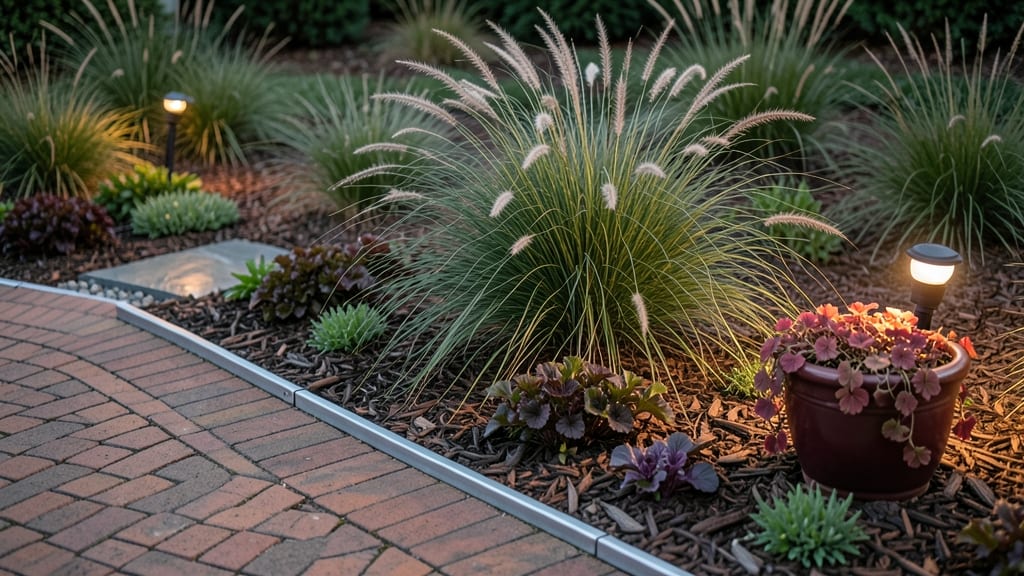
Your front lawn gardens pictures can be a year-round showstopper with bold foliage layers that turn heads every season. 🌿 I’ve designed front gardens that blend perennials, ornamental grasses, and evergreens to create depth, texture, and color from winter through fall, and the best part?
They require less upkeep than a traditional lawn.
Think three-dimensional beds instead of flat green carpets. Start with a mix of tall grasses like fountain grass or switchgrass for movement, add mid-height shrubs like hydrangeas or boxwood for structure, and fill the front with low-growing perennials like heuchera or ajuga for color.
This combo ensures your garden stays interesting even when flowers fade.
The payoff? A front yard that looks like a designer’s dream without the high maintenance. In spring, you’ll have blooms; in summer, lush greenery; in fall, fiery foliage; and in winter, evergreens keeping the space vibrant. Plus, you’ll spend less time mowing and more time admiring.
Whether you’re working with a small city lot or a spacious suburban yard, these designs adapt easily. The key is balancing evergreens for structure, perennials for color, and grasses for texture—all while keeping the look cohesive. Ready to transform your curb appeal?
📚 In This Guide
- What you need
- Instructions
- Tips and common mistakes
- Wrapping up and next steps
What you need
- ● Plants: 3-5 evergreen shrubs (e.g., boxwood, holly, or dwarf conifers) for structure
- ● 5-7 perennial flowers (e.g., hostas, heucheras, or ornamental grasses) for texture
- ● 2-3 seasonal accents (e.g., spring bulbs, summer annuals, or fall mums)
- ● Soil & Mulch: 50 lbs high-quality garden soil or compost
- ● 2-3 bags organic mulch (e.g., shredded bark or pine straw)
- ● Hand Tools: 1 garden trowel (for digging small holes)
- ● 1 pruning shears (for shaping plants)
- ● 1 hand rake (for leveling soil)
- ○ Power Tools (Optional but Helpful): 1 cordless drill (for larger planting tasks)
- ● 1 leaf blower (for cleanup)
- ● ✅ Sunlight Assessment: Measure daily sunlight (full sun, partial shade, or full shade)
- ● ✅ Soil Test: Check pH and nutrient levels (local extension offices often offer free tests)
- ● ✅ Design Plan: Sketch a layout (use free apps like Canva or SketchUp)
- ● ✅ Permits (if applicable): Check local regulations for front-yard landscaping
How to design a striking year-round front lawn garden
Creating a bold foliage landscape that thrives through all seasons takes strategic planning and plant selection.
🌿 Step 1: Assess Your Lawn's Light and Soil Conditions
Start by mapping your lawn's sunlight exposure throughout the day. Use a notebook to track which areas receive full sun (6+ hours), partial shade (3-6 hours), or full shade (less than 3 hours). I like to observe the space at different times of day—morning sun casts different shadows than afternoon light.
Next, test your soil's pH and drainage. A simple DIY pH test kit (available at garden centers) gives you accurate results in minutes. Aim for a neutral to slightly acidic range (6.0-7.0) for most bold foliage plants. If your soil drains poorly, consider amending with compost or sand before planting.
☀️ Step 2: Select Plants for Seasonal Interest
For year-round wow factor, layer plants with varying heights, textures, and seasonal color. Start with a tall backdrop (6-8 feet) like ornamental grasses (Panicum or Miscanthus) or evergreen shrubs (Ilex or Pieris). These provide structure and visual height.
Add mid-height plants (3-5 feet) like hydrangeas (Hydrangea macrophylla) for summer blooms and ornamental smokebush (Cotinus) for fiery fall foliage. Finish with low-growing ground covers (1-2 feet) such as heuchera (Coral Bells) or ajuga (Bugleweed) for texture and color contrast.
🪴 Step 3: Plan Your Layout for Visual Flow
Sketch a rough layout on graph paper, using squares to represent plant sizes at maturity. Group plants with similar water needs together—this makes irrigation easier. Place taller plants toward the back and shorter ones toward the front to create depth.
Incorporate pathways or stepping stones to guide visitors through your garden. I like to use natural stone or gravel for a rustic look that blends seamlessly with foliage. Leave space for seasonal plants like spring bulbs (daffodils or tulips) and fall mums to add pops of color when needed.
✂️ Step 4: Prepare and Plant Your Garden
Mark planting spots with spray paint or stakes to avoid digging in the wrong places. Dig holes twice as wide as the root ball but only as deep. This ensures the plant sits at the same level it was in the nursery pot—burying too deep can suffocate roots.
Water each plant deeply after planting to settle the soil and remove air pockets. Mulch with 2-3 inches of shredded bark or wood chips, keeping it 3 inches away from plant stems to prevent rot. This conserves moisture and regulates soil temperature.
💧 Step 5: Maintain for Long-Term Beauty
Water deeply 1-2 times per week (depending on rainfall) to encourage deep root growth. Most bold foliage plants prefer consistent moisture but hate soggy soil. Check soil moisture by sticking your finger 2 inches deep—if it feels dry, it's time to water.
Prune plants as needed to maintain shape and encourage new growth. For example, cut back ornamental grasses in late winter before new shoots appear, and trim hydrangeas right after flowering to promote bushier growth next season. Fertilize in early spring and mid-summer with a balanced, slow-release fertilizer to keep plants thriving.
Tips & tricks for bold foliage front lawn gardens
Transforming your front lawn into a year-round showstopper requires more than just planting—it's about strategic layering and attention to detail.
Seasonal Plant Pairing: In Step 2, when selecting your tall backdrop plants like ornamental grasses or evergreen shrubs, pair them with plants that offer seasonal interest. For example, if you choose Miscanthus for its winter structure, add ornamental smokebush (Cotinus) nearby—its fiery fall foliage will complement the grasses beautifully. This creates visual continuity across all seasons without overwhelming any particular time of year.
Soil Prep Shortcut: If your soil test reveals poor drainage in Step 1, don't just add compost—create raised beds using landscape fabric and gravel for a permanent solution. This prevents future drainage issues while elevating plant roots away from waterlogged areas. The 2-3 inches of mulch you'll add later will further improve drainage and moisture retention.
Layout Pro Tip: When sketching your layout in Step 3, use a digital garden design app to visualize plant heights and colors before digging. I recommend Garden Planner—it lets you drag and drop plants to see how they'll interact at maturity. This digital mockup helps you avoid the common mistake of planting taller specimens too close to walkways, which can create visual clutter.
Maintenance Calendar: Create a simple calendar marking your early spring and mid-summer fertilization dates from Step 5. Add reminders for seasonal tasks like late winter grass cutting and post-flowering hydrangea trimming. This prevents you from missing critical maintenance windows that keep your garden looking its best throughout the year.
Pro Tips for Front Lawn Gardens Pictures
- Transforming your front lawn into a year-round showstopper requires more than just planting—it's about strategic layering and attention to detail.
- Seasonal Plant Pairing: In Step 2, when selecting your tall backdrop plants like ornamental grasses or evergreen shrubs, pair them with plants that offer seasonal interest.
- Soil Prep Shortcut: If your soil test reveals poor drainage in Step 1, don't just add compost—create raised beds using landscape fabric and gravel for a permanent solution.
Frequently asked questions
What’s the best time of year to plant a front lawn garden?
The ideal time depends on your climate! In most regions, spring (March–May) or fall (September–November) are perfect—soil is warm, rainfall is steady, and plants establish roots before extreme weather. For perennials, fall planting gives them a head start. If you’re in a hot, dry climate, opt for early spring to avoid summer stress.
How much does it cost to create a front lawn garden?
Costs vary widely based on size, materials, and whether you DIY or hire pros. A small DIY garden (10x10 ft) might run $100–$300 (plants, mulch, soil amendments). For a larger, pro-designed garden (20x20 ft+), budget $1,000–$5,000+, including hardscaping, irrigation, and premium plants. Pro tip: Start small and expand over time to save money!
Can I still have a front lawn garden if I have pets or kids?
Choose pet-safe, non-toxic plants like sunflowers, marigolds, or ornamental grasses. Avoid toxic varieties (e.g., foxglove, azaleas). For kids, opt for soft ground covers (like clover or moss) to cushion falls. Bonus: Raised beds keep pets out of planting areas, and mulch reduces tripping hazards.
What if my soil is poor or clay-heavy?
Don’t stress—most front lawn gardens thrive with amendments! Test your soil (kits cost ~$20) and add compost, peat moss, or sand to improve drainage and fertility. For clay soil, mix in gypsum or coarse sand to break up compaction. Pro tip: Raised beds are a game-changer for tough soil—they give you full control over the growing medium!
How do I keep my front lawn garden looking great in winter?
Winter prep is key! Mulch heavily (3–4 inches) to protect roots from freezing. Leave seed heads and dried foliage for texture and wildlife—just trim dead branches. Evergreens (like boxwoods or holly) add year-round color. For perennials, cut back dead growth in early spring (not fall) to avoid encouraging pests. Bonus: Add ornamental grasses for movement and winter interest!
Wrapping up and next steps
Transforming your front lawn into a vibrant garden isn’t just about aesthetics—it’s a celebration of nature’s beauty that elevates your curb appeal and brings joy year-round. From bold foliage layers to seasonal blooms, these ideas prove that even small spaces can make a big impact.
Whether you’re a seasoned gardener or just starting, your front yard deserves to shine as brightly as your creativity!
Ready to take the next step? Sketch a rough design, gather inspiration from the pictures shared, and start small—even a single striking plant can spark a transformation. Happy gardening! 🌿✨