
Lawn
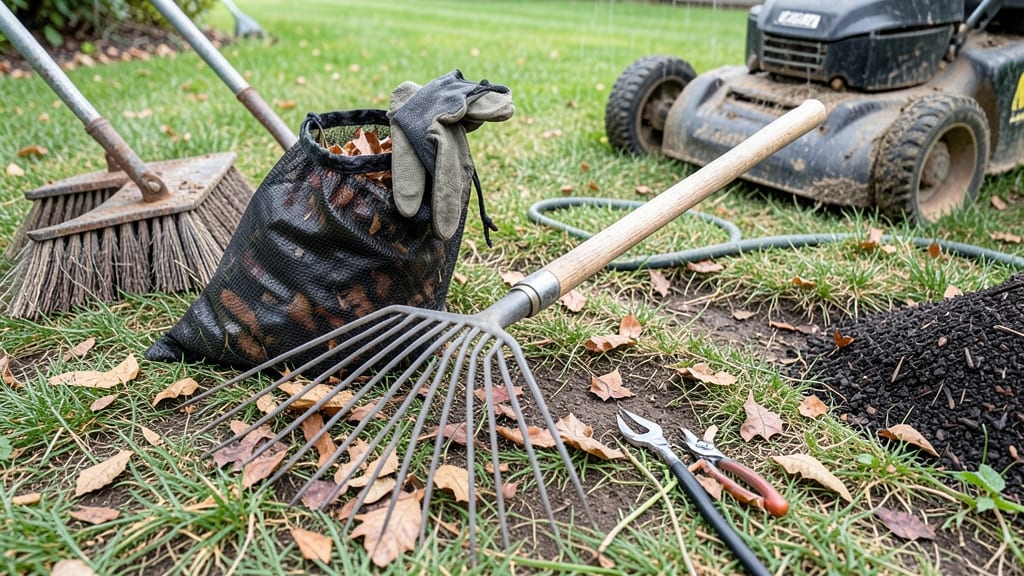
Cleaning up your lawn isn't just about clearing leaves—it’s about setting up that deep green foundation for year-round beauty. 🌱 I’ve spent years turning patchy, tired lawns into lush carpets, and the secret isn’t in fancy tools but in the right sequence: remove debris first, then mow low, and finish with aeration.
Most people skip the aeration step, which is where the real transformation happens—roots breathe, nutrients soak in, and weeds struggle to take hold.
You’ll need just three core tools: a sturdy rake or leaf blower, a sharp mower set to 1/3 of the grass height, and a manual aerator (or even a garden fork in a pinch).
Timing matters too—spring and fall are prime, but a quick cleanup after heavy leaf drop keeps your lawn healthier year-round. The payoff? A lawn that stays vibrant even in droughty summers or shady spots.
Start by raking out thatch and debris—don’t just bag it, though. Spread some of those leaves back as mulch to feed the soil naturally. Then mow low but never scalped, and follow up with aeration every 6-12 months.
The first time you see grass growing thick and even after cleanup, you’ll wonder why you didn’t start sooner.
Pro tip: Overwatering after cleanup is a common mistake—stick to deep but infrequent watering to encourage deep roots. And if your lawn has bare patches? Skip the grass seed this season and focus on soil prep first. The results will surprise you.
📚 In This Guide
- What you need
- Instructions
- Tips and common mistakes
- Wrapping up and next steps
What you need
- ● Lawn mower (electric, gas, or manual—choose based on lawn size and terrain).
- ● String trimmer/weed whacker (with a 0.125-inch or 0.180-inch nylon string for edges and tight spots).
- ● Rake (leaf rake for debris, bow rake for grass clippings—18-24-inch heads work best).
- ● Garden hose with a spray nozzle (adjustable for watering or rinsing).
- ○ Lawn edger (manual or electric, for crisp borders—optional but game-changing).
- ● Garden gloves (heavy-duty, water-resistant—pair of 2 to rotate if needed).
- ● Knee pads (for comfort during extended cleaning—highly recommended).
- ● Lawn fertilizer (slow-release, 16-4-8 NPK ratio for balanced growth—10-20 lbs per 500 sq. ft.).
- ● Weed killer (selective or non-selective, based on lawn type—follow label rates).
- ● Mulch or compost (for bare spots—2-3 inches of organic mulch or 1-inch compost).
- ● Soil amendments (sand, peat moss, or lime—test soil first to determine needs).
- ● Trash bags (heavy-duty, 30-gallon size—2-4 bags depending on debris).
- ● Pruners/shears (for trimming overgrown plants or edges—bypass pruners for clean cuts).
- ● Weather check: Aim for a mild, dry day (50°F–85°F) with no rain forecasted for 24 hours.
- ● Clear the area: Remove toys, furniture, or decorations to avoid damage.
- ● Dress appropriately: Wear long sleeves/pants (to avoid scrapes) and closed-toe shoes.
- ● Check tools: Sharpen mower blades, refill trimmer string, and inspect hoses for leaks.
- ● Test soil moisture: Dig a 2-inch hole—if dry, water lightly 24 hours before cleaning.
Step-by-Step instructions for cleaning up your lawn
Here's how I keep my lawn looking fresh with minimal effort—no fancy tools, just smart timing and simple steps.
🪴 Step 1: Remove Debris and Rake Evenly
Start by grabbing a sturdy lawn rake or leaf blower to clear away leaves, twigs, and any dead grass clippings. I work in sections, pulling debris toward the center of the lawn so it's easy to gather. This prevents buildup that smothers grass and attracts pests. Focus on the edges first—they collect the most debris and can look unkempt if ignored.
Once the surface is clear, rake the lawn in one direction to level it out. You'll notice low spots where water pools or high spots where grass grows unevenly. This is your chance to redistribute soil naturally—just drag the rake gently over bumps to smooth them. Avoid raking when the grass is wet; you'll tear blades and create mud instead of a clean surface.
✂️ Step 2: Trim Overgrown Edges and Weeds
Use a string trimmer or edging tool to tidy up the lawn's perimeter and any overgrown grass near sidewalks, driveways, or flower beds. I like to trim in short, controlled strokes—long sweeps can yank up grass or damage nearby plants. Pay special attention to areas where grass meets mulch or gravel; this is where weeds love to take hold. A quick pass here prevents them from spreading into your lawn.
For stubborn weeds, pull them by the roots while the soil is moist (after watering or a light rain). I grab them near the base and tug gently but firmly—this ensures they don't regrow. If a weed resists, use a small hand tool to loosen the soil around it first. Don't skip this step; even small weeds can steal nutrients from your grass if left unchecked.
☀️ Step 3: Aerate and Overseed for Long-Term Health
Rent a lawn aerator or use a garden fork to poke holes about 3-4 inches apart across the lawn. This helps relieve soil compaction, which prevents water, air, and nutrients from reaching grass roots. You'll see soil plugs pop out as you work—leave them on the lawn; they'll break down naturally and return nutrients to the soil. Focus on high-traffic areas first; these spots compact the most and need the most attention.
After aerating, spread a thin layer of grass seed over the entire lawn using a broadcast spreader. I like to work in small sections, stepping on the seed lightly to help it make contact with the soil. Water immediately after seeding to keep the soil moist—aim for about 1 inch of water per week until you see new grass sprouting. This step might seem like overkill, but it fills in thin patches and keeps your lawn thick and green year-round.
Tips & tricks for perfect lawn maintenance
Keeping your lawn looking its best doesn't require fancy tools or complicated steps—just a few smart tricks to make the process easier and more effective.
Tool Selection: I've found that a sturdy lawn rake with metal tines works best for Step 1, especially for removing stubborn debris. For larger lawns, a leaf blower can save time—just make sure to use it before raking to avoid pushing debris deeper into the grass. The key is working in sections, which prevents you from retracing your steps and makes cleanup easier.
Timing is Everything: In Step 2, when you're tackling weeds, timing matters more than you might think. Pull weeds after watering or a light rain when the soil is moist but not soggy. This makes them easier to remove by the roots. I've also noticed that early morning is the best time to trim edges—grass is less likely to be wet, and you avoid the midday heat that can stress your plants.
Aeration Technique: For Step 3, if you don't have a lawn aerator, a garden fork works perfectly fine. Just be consistent with those 3-4 inch holes—this spacing ensures proper soil relief. I like to overlap my passes slightly to avoid missing spots. After aerating, leave those soil plugs on the lawn; they'll break down and return nutrients to the soil naturally, giving your grass an extra boost.
Watering Wisdom: When you're seeding in Step 3, that 1 inch of water per week is crucial for the first few weeks. I set a rain gauge or use a simple tuna can to measure water—it's surprising how little actually reaches the soil! Watering deeply but infrequently encourages stronger root growth. And here's a bonus tip: water in the early morning so the grass has all day to dry, reducing the risk of fungal issues.
Pro Tips for Clean Up Lawn
- Keeping your lawn looking its best doesn't require fancy tools or complicated steps—just a few smart tricks to make the process easier and more effective.
- Tool Selection: I've found that a sturdy lawn rake with metal tines works best for Step 1, especially for removing stubborn debris.
- Timing is Everything: In Step 2, when you're tackling weeds, timing matters more than you might think.
Frequently asked questions
Got questions about keeping your lawn pristine? We’ve got answers! Whether you’re tackling weeds, timing your cleanup, or exploring eco-friendly options, here’s what you need to know.
When is the best time to clean up my lawn?
The ideal time depends on your climate and grass type. In most regions, spring and fall are perfect—cool temperatures reduce stress on grass. Avoid cleaning in extreme heat or drought. For weeds, pull them before they seed (late summer/early fall).
What’s the fastest way to remove weeds without chemicals?
Try these natural methods:
- Hand-pulling (best for small patches; pull weeds after rain when soil is soft).
- Boiling water (pour directly on weeds to kill roots).
- Vinegar spray (1 gallon vinegar + 1 cup dish soap; spot-test first!).
- Corn gluten meal (prevents weed seeds from germinating—apply in early spring).
For stubborn weeds like dandelions, a weed torch (for dry lawns) works too!
How often should I clean up my lawn to keep it lush?
Frequency depends on your lawn’s condition:
- Weekly: Rake leaves/debris in fall/winter.
- Every 2–4 weeks: Remove weeds, dethatch, or edge borders.
- Seasonally: Aerate (spring/fall) and fertilize (as needed).
Pro tip: Mow high (3–4 inches) to shade out weeds and retain moisture!
Is renting a lawn cleaner worth it, or should I DIY?
It depends on your lawn size and budget:
- DIY (Best for small yards): Tools like a manual rake or leaf blower work fine. Save money and enjoy the fresh air!
- Rent a cleaner (Best for large yards): A lawn vacuum or mulching mower speeds up cleanup. Rent for ~$50–$100/day.
- Hire a pro: Consider if you have thatch buildup or persistent weeds—experts can save time and effort.
Pro tip: If DIYing, wear gloves and knee pads—your back (and hands) will thank you!
What’s the easiest way to keep my lawn clean without chemicals?
Go eco-friendly with these tricks:
- Mulch leaves instead of bagging them—nutrients return to the soil.
- Use a pre-emergent herbicide like corn gluten meal (non-toxic).
- Plant clover—it crowds out weeds and fixes nitrogen in the soil.
- Encourage beneficial insects (ladybugs, bees) by avoiding pesticides.
For tough spots, try cardboard mulch (wet cardboard + topsoil = weed barrier!).
Wrapping up and next steps
A lush, clean lawn isn’t just a dream—it’s an achievable goal with the right tools, techniques, and consistency! 🌿 By mastering three simple steps—prepping the soil, choosing the perfect grass, and maintaining it year-round—you’ll transform your outdoor space into a vibrant retreat.
Remember, every expert gardener started with a single seed (or in this case, a single patch of grass!).
Now that you’re armed with the know-how, it’s time to roll up your sleeves and take action. Start small—pick a sunny weekend, gather your supplies, and begin with one section of your lawn.
Before you know it, you’ll be sipping lemonade on a freshly mowed carpet of green, proud of your hard work. Your dream lawn is just a few steps away—go get it! 🌟