
Lawn
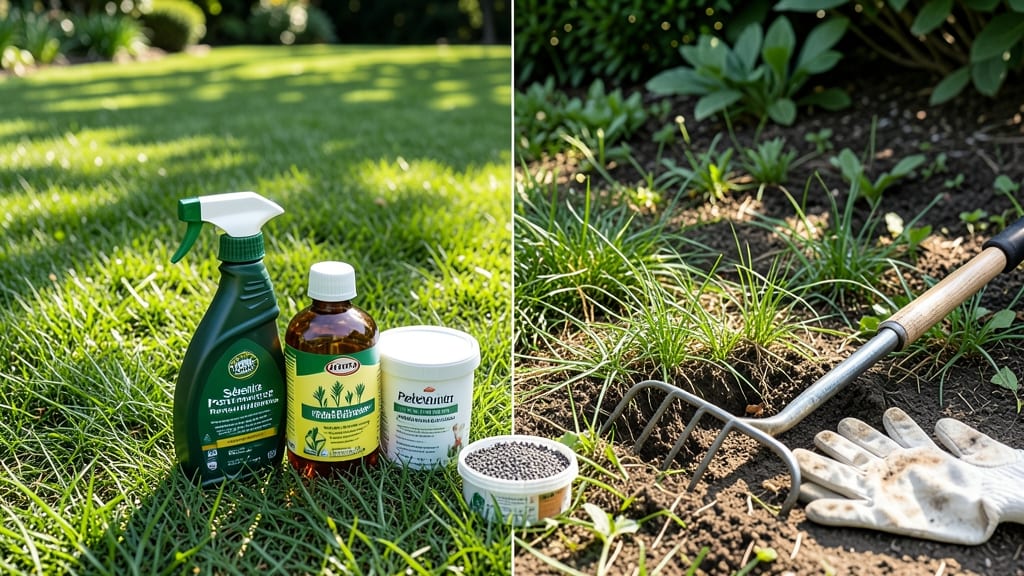
Rooting out the bad grasses in lawns before they ruin your lawn takes patience and the right approach. 🌱 I’ve spent years battling these tough invaders, and the key is catching them early—before they spread roots deeper than your lawnmower cuts.
These weeds don’t just compete for nutrients; they strangle your grass, leaving behind thin, patchy areas that no amount of watering will fix.
The worst offenders—like crabgrass with its jagged edges or nutsedge with its triangular stems—often pop up after spring rains or in compacted soil. My first mistake was pulling them by hand (don’t do that—it just scatters seeds).
Instead, I learned to target their weak spots: shallow roots for crabgrass, underground tubers for nutsedge. A mix of pre-emergent herbicides in early spring and post-emergent sprays when they’re young works best, but timing is everything.
Once you’ve got them under control, the real work begins: fixing the damage. Overseeding bare spots with cool-season grass like fescue or ryegrass fills gaps while crowding out weeds naturally.
I’ve seen lawns go from 30% weeds to 95% grass in just one growing season with this method—no chemicals needed after the first year. The secret? Mowing high (3–4 inches) to shade out weeds and keeping soil healthy with compost.
For stubborn patches, a spot treatment of vinegar or boiling water (for small areas) can work, but it’s messy and temporary. The long-term fix? A thick, healthy lawn that leaves no room for weeds to take hold.
Start now, and by next summer, you’ll have the green carpet you’ve been dreaming of—without the frustration. Let’s get to it.
How Unwanted Grasses Take Over
Your lawn might be a battleground you didn’t realize you were fighting. 🌱💥 Bad grasses—often called weeds or invasive species—don’t just pop up by accident. They thrive because of specific conditions, and understanding these triggers is the first step to reclaiming your turf.
Here’s why these resilient plants invade your lawn and how they outcompete your desired grass.
Weak grass is an open invitation for unwanted grasses. When your lawn’s foundation isn’t healthy, invasive species seize the opportunity. Here’s how soil problems pave the way:
- Low Nutrient Levels: Grasses like crabgrass and nutsedge thrive in nutrient-poor soil because they grow quickly to capitalize on available resources. If your lawn lacks nitrogen, phosphorus, or potassium, your desired grass struggles to establish deep roots, while weeds take over shallow spaces. Test your soil’s pH and nutrient levels—ideal lawn soil should have a pH of 6.0–7.0 and balanced NPK (nitrogen, phosphorus, potassium).
- Compacted Soil: Heavy foot traffic, construction equipment, or clay-heavy soil compresses the top layer, restricting oxygen and water flow. Compacted soil suffocates grass roots, making them vulnerable to weeds like Poa annua (annual bluegrass) or Digitaria (crabgrass), which sprout in disturbed areas. Aerate your lawn annually to break up compaction and improve root growth.
- Poor Drainage: Standing water or waterlogged soil creates anaerobic (oxygen-deprived) conditions where weeds like sedges (e.g., yellow nutsedge) flourish. These grasses have adapted to thrive in wet environments, while many lawn grasses, like Kentucky bluegrass, rot in soggy conditions. Grade your yard to improve slope, or install a drainage system if water pools after rain.
Skipping basic lawn care is like leaving your front door unlocked—weeds walk right in. Even small oversights can create gaps that invasive grasses exploit:
- Irregular Watering: Drought-stressed grass turns brown and weakens, while weeds like goosegrass or henbit germinate in dry, patchy soil. Overwatering, on the other hand, encourages shallow-rooted weeds like annual bluegrass, which thrive in moist conditions. Water deeply 1–1.5 inches per week, early in the morning, to encourage deep root growth in your desired grass.
- Late Mowing or Scalping: Cutting grass too short (below 2–3 inches) exposes bare soil, allowing weeds like crabgrass to germinate. Conversely, letting grass grow too tall shades the soil, creating a cool, moist environment perfect for clover or dandelions. Mow at the correct height for your grass type and keep blades sharp to avoid tearing the plant.
- Neglected Thatch Layer: A thatch layer (composed of dead grass, roots, and debris) thicker than ½ inch blocks water and nutrients from reaching the soil. Weeds like nutgrass exploit this barrier by sprouting through the thatch. Dethatch annually if your layer exceeds ½ inch, using a rake or vertical mower.
Some invasive grasses are simply better adapted to your local climate, soil type, or seasonal changes. These environmental factors give them an unfair advantage:
| Factor | How It Helps Weeds | Actionable Fix |
|---|---|---|
| 🌡️ Extreme Heat or Drought | Grasses like bermuda or bahiagrass go dormant in heat, while weeds like crabgrass germinate in hot, dry soil. | Use drought-tolerant grass varieties and mulch to retain moisture. |
| ❄️ Cold Winters | Weeds like henbit and chickweed sprout early in cool spring soil before your lawn grass wakes up. | Apply a pre-emergent herbicide in early spring to block weed seeds. |
| 🏗️ Disturbed Soil (Construction, Erosion) | Bare spots from construction or erosion invite annual ryegrass or foxtails, which colonize quickly. | Reseed bare areas with the right grass type and use erosion control blankets. |
Many “bad grasses” aren’t even seeds you planted—they’re dormant in your soil, waiting for the right moment to strike. 🕷️🌱
- Dormant Weed Seeds: Soils often contain a “seed bank” of weeds like dandelions or plantain that can stay viable for years. When conditions improve (e.g., after tilling or heavy rain), these seeds germinate en masse. Apply corn gluten meal (a natural pre-emergent) in early spring to suppress weed seed germination.
- Creeping Roots or Rhizomes: Some weeds, like nutgrass or quackgrass, spread via underground stems (rhizomes) or runners. Even a small piece left in the soil can regrow into a full infestation. Dig out rhizomatous weeds completely, including roots, to prevent regrowth.
- Wind or Animal Spread: Seeds from cheatgrass or medusahead hitchhike on animals, clothing, or tools, then land in your lawn. Inspect equipment and pets after use in infested areas, and clean tools with bleach or soapy water.
Not all grasses are created equal—and planting the wrong type for your region is like inviting a tropical fish into a desert aquarium. Some grasses simply can’t compete:
- Cool-Season vs. Warm-Season Mismatches: If you live in a warm climate but plant Kentucky bluegrass (cool-season), it weakens in summer heat, while bahiagrass or centipedegrass take over. Conversely, ryegrass struggles in southern heat. Choose native or adapted grass species for your USDA hardiness zone.
- Shade-Tolerant vs. Sun-Loving Grasses: Dense shade discourages sun-loving grasses like tall fescue, allowing clover or moss to dominate. Use shade-tolerant grasses (e.g., fine fescue) or ground covers in low-light areas.
- Low-Traffic vs. High-Traffic Areas: Delicate grasses like perennial ryegrass get trampled in high-traffic zones, while tough weeds like creeping bentgrass (used in golf greens) thrive under stress. Select grass types based on foot traffic and wear patterns.
How to Fix Your Lawn’s Grass Troubles
Now that you know why unwanted grasses take over, it’s time to reclaim your lawn! The good news? With the right approach, you can eliminate invaders, restore healthy turf, and prevent future outbreaks. Below, we break down cause-specific fixes—plus prevention tips to keep your lawn lush and weed-free.
Cause: Unchecked growth (nutgrass, crabgrass, or broadleaf weeds) Fix: Manual removal + cultural controls
🍳 Step 1: Identify & Pull by Hand (Best for Small Patches)
- When to do it: Early morning (weeds are plump with water).
- How:
- Use a weed puller or digging fork to extract roots (especially for nutgrass).
- For broadleaf weeds, glove up and tug gently—avoid breaking stems.
- Pro Tip: 💡 Pull when soil is moist—roots slide out easier!
👨🍳 Step 2: Solarize for Stubborn Weeds (Organic Method)
- Best for: Large bare spots or invasive grasses like bermudagrass.
- How: 1. Water thoroughly 2–3 days before treatment. 2. Cover with clear plastic (6–8 mil thickness) and secure edges with soil.
- Leave for 4–6 weeks in hot sun (temps should reach 104°F+). - Weeds cook from within—no chemicals needed!
🔪 Step 3: Spot-Treat with Herbicides (Targeted Attack)
- For: Deep-rooted weeds like nutgrass or crabgrass.
- How:
- Use a selective herbicide (e.g., tenacity for crabgrass or sedgehammer for nutgrass).
- Apply on a calm day—avoid wind to prevent drift onto desired grass.
- Reapply if weeds regrow (follow label rates).
- ⚠️ Warning: Never use glyphosate (Roundup) on lawns—it kills all plants!
🌡️ Prevention: Choke Out Weeds Before They Start
- Mow high (3–4 inches) to shade out weeds.
- Fix bare spots with clover or overseeding (weeds love thin turf!).
- Apply pre-emergent (like pendimethalin) in early spring to block crabgrass.
Cause: Poor soil, over/under-watering, or compacted ground Fix: Improve soil + reseed strategically
🏡 Step 1: Test & Amend Your Soil (The Foundation)
- Test pH (ideal: 6.0–7.0 for most grasses).
- Add organic matter:
- Compost (1–2 inches) or topsoil for thin areas.
- Gypsum if soil is clay-heavy (breaks up compaction).
- Aerate (rent a core aerator) if foot traffic has compacted soil.
🌱 Step 2: Overseed Like a Pro (Best Time: Early Fall)
- Choose the right grass:
- Cool-season: Tall fescue, Kentucky bluegrass (northern climates).
- Warm-season: Bermuda, zoysia (southern climates).
- How to seed: 1. Rake bare spots to loosen soil.
- Spread seed (use a broadcast spreader for even coverage).
- Lightly top-dress with compost and water gently (keep moist for 2 weeks). - Pro Tip: 🎯 Use a starter fertilizer (high phosphorus) to help roots establish.
💧 Step 3: Water Smartly (Deep & Infrequent)
- Water deeply (1–1.5 inches per week) early morning (reduces fungus risk).
- Avoid daily light watering—this encourages shallow roots and weeds!
- Check soil moisture: Stick a screwdriver in—if it goes in easy, hold off on watering.
🛡️ Prevention: Keep Grass Healthy Year-Round
- Fertilize seasonally (spring/fall for cool-season grasses).
- Mow at 1/3 rule (never cut more than 1/3 of the blade at once).
- Dethatch if layer exceeds ½ inch (thatch = weed haven).
Cause: Aggressive spreaders (nutgrass, bermudagrass, or johnsongrass) Fix: Aggressive cultural + chemical control
🔥 Step 1: Corn Gluten Meal (Pre-Emergent Barrier)
- Best for: Preventing crabgrass and nutgrass before they sprout.
- How:
- Apply 0.2–0.5 lbs per 100 sq ft in early spring (before weeds germinate).
- Reapply after heavy rain or mowing.
🍄 Step 2: Vinegar Spray (Natural Burn for Small Patches)
- Recipe:
- 1 gallon white vinegar
- 1 oz dish soap (as a surfactant)
- Optional: 1 cup salt (boosts effectiveness)
- How:
- Spray directly on weeds (avoid desired grass—it’ll kill that too!).
- Best for: Driveways, sidewalks, or bare soil pre-seeding.
🧪 Step 3: Systemic Herbicides (For Stubborn Invaders)
- For: Nutgrass or bermudagrass in lawns.
- Products:
- Sedgehammer (for nutgrass).
- Drive XLR8 (for bermudagrass).
- How:
- Follow label instructions—some require multiple applications.
- Water lightly after treatment to help absorption.
🛡️ Prevention: Block Their Entry Points
- Edge lawn borders with gravel or mulch (stops creeping grasses).
- Remove thatch (thick layers hide weed seeds).
- Plant ground covers (like creeping thyme) in high-traffic areas to outcompete weeds.
- 💡 Rotate herbicides if weeds develop resistance.
- 🌡️ Monitor soil temps—most weeds germinate when soil hits 55–65°F.
- 🎯 Spot-treat early—small weeds are easier to kill than established clumps!
- 🔄 Re-test soil every 2–3 years (nutrients change over time).
Your lawn’s health starts with action—but consistency is key! With these targeted fixes, you’ll crush bad grasses, restore your turf, and keep weeds at bay for good. 🚀
Frequently asked questions
How do I tell the difference between crabgrass and regular grass?
Crabgrass has a distinctive bushy, sprawling growth habit with rough, hairy leaves that grow in a star-shaped pattern. Look for its jagged, finger-like edges and reddish-brown seed heads in late summer. Regular lawn grass grows upright with smooth blades and no branching.
Will vinegar really kill weeds without harming my lawn?
Vinegar can kill weeds, but it’s not selective—it will damage or kill any plant it touches, including your lawn. Use it only on driveways, sidewalks, or bare soil before seeding. For lawns, spot-treat with selective herbicides like tenacity for crabgrass or use corn gluten meal as a natural pre-emergent.
Why do weeds keep coming back even after I pull them?
Many weeds like nutgrass or quackgrass spread through underground roots or rhizomes. Pulling just the top leaves leaves the roots intact, causing regrowth. Always dig out the entire root system—at least 3–4 inches deep. For stubborn weeds, use a systemic herbicide to kill roots completely.
Is it better to use chemical or natural weed killers?
Chemical herbicides work fast and effectively on deep-rooted weeds, but natural methods like vinegar, boiling water, or corn gluten meal are safer for pets and kids. For prevention, focus on healthy lawn care—mowing high, overseeding, and aerating—to crowd out weeds naturally.
How often should I aerate my lawn to prevent weeds?
Aerate once a year in early fall for cool-season grasses or late spring for warm-season grasses. This breaks up compacted soil and allows air, water, and nutrients to reach grass roots, making them thicker and more competitive against weeds. Rent a core aerator for best results.