
Aphids
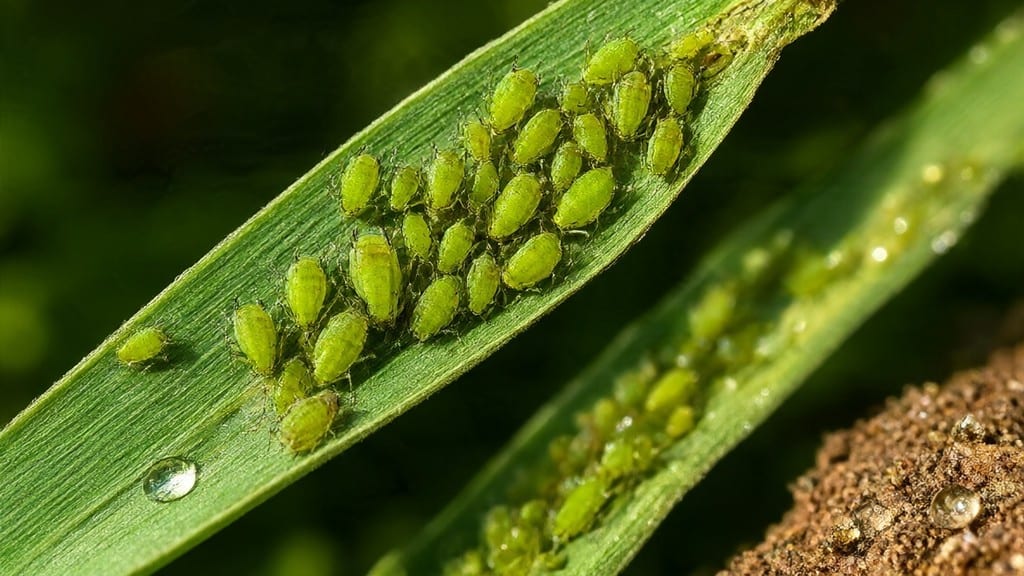
Aphids on grass aren't just a nuisance—they can turn your lawn into a sticky, yellow mess if you don't act fast. I’ve battled these tiny pests enough to know that a quick spray with the right solution can stop them in their tracks, often within hours.
The key is choosing remedies that work fast without harming your grass or the beneficial insects that keep your yard balanced.
Most people reach for chemical sprays first, but I’ve had better luck with natural options like insecticidal soap or neem oil. These break down aphid defenses quickly, and you can mix them yourself in under 10 minutes.
The secret? Spray early in the morning when aphids are sluggish and the solution sticks better. You’ll see results within a day or two if you’re consistent.
Once the aphids are gone, the real work begins—keeping them from coming back. Healthy grass is your best defense, so focus on proper watering, mowing at the right height, and feeding your lawn with nitrogen-rich fertilizer.
Aphids love stressed grass, so a thick, vibrant lawn makes your yard less appealing to them.
If you’re dealing with a severe infestation, don’t panic—just act fast and stay vigilant. The remedies I’ve tried work best when applied at the first sign of trouble, so keep an eye out for those tiny green clusters on blades.
With the right approach, you’ll have your lawn looking lush and aphid-free in no time.
The Hidden Triggers Behind Grass Invaders
Those tiny, sap-sucking pests 🐜 aren’t just randomly appearing on your lawn—they’re drawn by specific conditions that turn your grass into an all-you-can-eat buffet. Understanding the why behind their presence is half the battle in kicking them out for good.
Below, we break down the science-backed reasons aphids choose your grass as their next meal stop.
🌱 Over-Fertilized or Nitrogen-Rich Soil
Aphids thrive where plants are too happy—especially when they’re overfed with nitrogen. While nitrogen promotes lush green growth, it also makes grass sweeter and more tender, signaling to aphids: “Free snack time!”
- Why it happens: Excess nitrogen triggers higher sugar content in plant sap, which aphids love. Their saliva contains enzymes that break down these sugars into a sticky “honeydew,” leaving your grass sticky and attracting sooty mold.
- Actionable insight: If you’ve been fertilizing heavily, switch to a balanced fertilizer (e.g., 10-10-10 ratio) or use organic options like composted manure. Less is more—aphids hate a well-balanced diet!
- Pro tip: 💡 Test your soil first! Over-fertilization isn’t always obvious. A simple home test kit can reveal if nitrogen levels are sky-high.
🍃 Weak or Stressed Grass
Aphids are like vultures—they target plants that are already struggling. Weak grass (from drought, disease, or poor drainage) has lower defenses and higher sugar levels, making it an easy target.
- Why it happens:
- Drought stress: When grass wilts, it produces more sugars to survive, which aphids detect via volatile organic compounds (VOCs) in the air.
- Disease or pests: Fungal infections (like Fusarium patch) or prior insect damage weaken cell walls, making sap easier to access.
- Compacted soil: Poor root health from compaction reduces the grass’s ability to fight off invaders.
- Actionable insight:
- 💧 Water deeply but infrequently (1–1.5 inches per week) to encourage deep roots and reduce sugar buildup.
- 🌿 Aerate compacted soil in fall to improve drainage and root health.
- 🛡️ Prevent fungal spread by avoiding overhead watering and removing infected clumps.
🌿 Nearby Host Plants Aphids Adore
Aphids don’t just land on grass—they hitchhike from other plants they prefer. If your lawn borders aphid magnets like roses, fruit trees, or weeds, your grass becomes collateral damage.
- Why it happens:
- Preferred hosts: Aphids favor soft, tender plants like:
- 🌹 Roses (especially black spot-damaged leaves)
- 🍎 Fruit trees (apples, peaches—aphids love the sap!)
- 🌿 Weeds (dandelions, clover, and plantain are aphid buffets)
- 🌻 Herbaceous perennials (like phlox or asters)
- Wind and insects: Aphids spread via wind or ants (who “farm” them for honeydew). A single infested plant can rain down pests onto your lawn.
- Preferred hosts: Aphids favor soft, tender plants like:
- Actionable insight:
- 🌳 Create a barrier by planting aphid-repelling species like marigolds, garlic, or catnip between your lawn and preferred hosts.
- 🪒 Prune or remove infested plants (especially roses and fruit trees) and dispose of them far from your yard.
- 🐜 Disrupt ant trails with diatomaceous earth or sticky barriers to stop honeydew “farming.”
☀️ Warm, Sheltered Microclimates
Aphids are cold-blooded—literally. They multiply fastest in warm, humid conditions where predators (like ladybugs) are scarce. Shady or densely planted areas create the perfect aphid paradise.
- Why it happens:
- Temperature: Aphids thrive in 60–85°F (15–30°C). Cooler mornings and warm afternoons speed up their life cycle (they can reproduce every 7–10 days in ideal conditions!).
- Humidity: High moisture levels reduce natural predators (like lacewings) and keep aphids hydrated.
- Shelter: Dense grass, mulch, or ground covers trap heat and moisture, creating a protected breeding ground.
- Actionable insight:
- ⏳ Mow regularly to reduce thatch buildup (which traps heat and moisture). Aim for 2.5–3.5 inches of grass height.
- 🌬️ Improve airflow by thinning out overgrown areas or trimming hedges that cast heavy shade.
- 🌡️ Time treatments wisely: Apply natural sprays (like neem oil) in the early evening when temps drop slightly—aphids are less active and more vulnerable.
Key takeaway: Aphids on grass aren’t a random attack—they’re a symptom of underlying conditions. By addressing over-fertilization, plant stress, neighboring hosts, and microclimates, you’re not just treating the pests—you’re removing the welcome mat. 🚫🐜
Quick Fixes for Grass Aphid Infestations
Dealing with aphids on your lawn or garden grass can feel overwhelming, but the good news is that many effective solutions are simple, natural, and fast-acting.
Below, we’ll break down the best ways to tackle the problem based on the root cause—whether it’s overcrowding, weak plants, or environmental factors—plus prevention tips to keep your grass healthy long-term.
🔥 Natural Sprays for Immediate Relief
If aphids are already feasting on your grass, these sprays will help dislodge and deter them quickly:
🍳 Homemade Soap Spray (Fast-Kill Method)
Aphids hate soap! Mix 1 tablespoon of mild liquid soap (like Castile soap) with 1 quart of water in a spray bottle. Shake well and spray directly on the affected areas.
The soap coats their bodies, cutting off their ability to breathe. Reapply every 2–3 days until they’re gone. ✨ Pro Tip: Test the spray on a small patch first to avoid damaging tender grass.
👨🍳 Neem Oil Solution (Long-Term Defense)
Neem oil is a powerhouse for aphids because it disrupts their life cycle. Combine 1 teaspoon of neem oil with 1 teaspoon of dish soap (as an emulsifier) and 1 quart of water.
Spray thoroughly on the grass, focusing on the undersides of leaves where aphids hide. Best used in the evening to avoid harming beneficial insects.
🥘 Water Blaster (Mechanical Removal)
For severe infestations, a strong stream of water from a hose can knock aphids off plants. Aim the nozzle at the base of the grass and let the water pressure dislodge them. Do this in the early morning so the grass has time to dry and recover.
🌱 Strengthening Grass to Prevent Future Infestations
Aphids thrive on weak, stressed grass. Boost your lawn’s resilience with these steps:
💡 Proper Watering Schedule
Overwatering or underwatering stresses grass, making it more susceptible to pests. Water deeply 2–3 times per week (early morning is best) to encourage strong root growth. Avoid soggy soil, which attracts aphids and fungal diseases.
🔥 Fertilize Smartly
Use a balanced, slow-release fertilizer (like 10-10-10) in early spring and fall. Over-fertilizing with nitrogen can attract aphids, so follow the package instructions closely. Avoid synthetic fertilizers if your grass is already under stress—they can worsen the problem.
🌡️ Encourage Natural Predators
Ladybugs, lacewings, and parasitic wasps love aphids! Plant dill, fennel, or marigolds near your grass to attract these beneficial insects. You can also release ladybugs (available at garden centers) for instant pest control.
🎯 Long-Term Prevention Strategies
Stop aphids before they start with these proactive measures:
✨ Maintain Lawn Health Year-Round
- Mow regularly (but never cut more than ⅓ of the grass blade at once).
- Aerate compacted soil in spring or fall to improve drainage and root health.
- Remove thatch (a layer of dead grass) to prevent aphid hiding spots.
🔪 Avoid Chemical Pesticides
While chemical sprays kill aphids fast, they can harm beneficial insects and weaken your grass over time. Stick to natural remedies for a sustainable solution.
📊 Monitor Early Signs
Check your grass weekly for sticky residue (aphid honeydew) or curled leaves. Catching infestations early means less work for you later!
By combining immediate action (sprays, water blasting) with long-term care (proper watering, fertilization, and predator support), you’ll keep aphids off your grass for good. 🚀
Frequently asked questions about tiny grass invaders
Why does my grass suddenly have tiny green clusters?
Those clusters are likely aphids feeding on your grass sap. They thrive in warm, humid conditions and multiply quickly—often within 7-10 days—when your lawn is stressed from over-fertilization, drought, or poor drainage. The sticky residue you might see is their honeydew secretion, which can attract ants and fungal growth.
Will homemade sprays really work against aphids?
A soap spray (1 tbsp mild soap + 1 quart water) or neem oil mix (1 tsp oil + 1 tsp soap + 1 quart water) can eliminate 80-90% of aphids within 24-48 hours when applied correctly. The key is thorough coverage—focus on the undersides of grass blades where aphids hide. Reapply every 3-5 days for stubborn infestations.
Are aphids harmful to my lawn's long-term health? While individual aphids won't kill healthy grass, severe infestations can weaken your lawn by:
- Reducing photosynthesis through sap-sucking
- Creating sticky honeydew that blocks sunlight
- Attracting sooty mold that discolors blades
However, a thick, well-maintained lawn (mowed at 2.5-3.5 inches, properly watered) can often recover fully. The real damage comes from stressing the grass first—aphids are just the symptom.
Can I prevent aphids without chemicals? Yes! Start by:
- Planting aphid-repelling borders like marigolds or garlic around your lawn
- Encouraging natural predators (ladybugs, lacewings) with dill or fennel
- Using diatomaceous earth as a barrier in high-risk areas
The foundation is healthy grass—focus on proper watering (1-1.5 inches weekly) and balanced fertilization (10-10-10 ratio) to make your lawn less appealing to these pests.
How do I know if my aphid problem is severe enough for professional help? Consider professional treatment if you notice:
- 50%+ coverage of your lawn showing aphid activity
- Visible yellowing or wilting beyond just aphid feeding spots
- Secondary pests (ants farming aphids or sooty mold growth)
For most home lawns, natural methods work within 1-2 weeks of consistent application. If you've tried everything and still see no improvement after 10 days, it's time to call an expert.