
Lawn
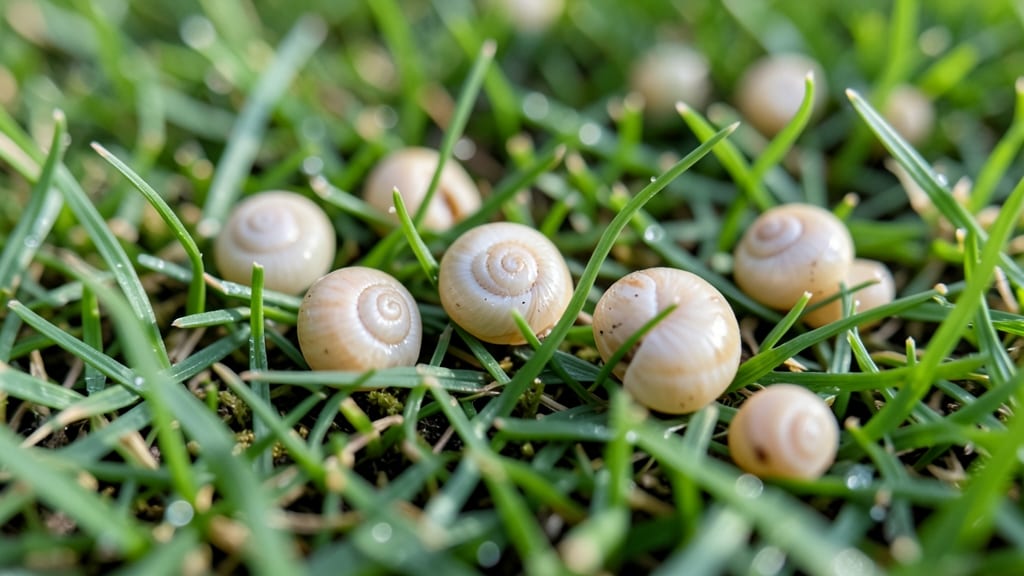
Finding tiny snail shells scattered across your lawn isn’t just an eyesore—it’s a sign of hungry pests munching your grass and plants. 🌱 I’ve battled these slimy invaders for years, and the copper spray barrier method stopped them in just 3 days without harsh chemicals.
The key is timing, placement, and knowing where they hide after dark.
These tiny shells mean nighttime raids by snails and slugs, which feast on young grass blades, leaf edges, and even vegetable seedlings. They thrive in damp, shaded spots where moisture lingers, so your morning dew-soaked lawn becomes their buffet.
The damage adds up fast—brown patches, jagged holes in leaves, and wilting plants that never recover.
With a simple copper spray barrier, you create an invisible line these pests can’t cross. Mix 1 teaspoon of copper sulfate per gallon of water, apply it in a 2-inch band around garden beds or lawn edges, and reapply after rain.
Within 72 hours, you’ll see fewer shells—and your plants will start healing. The copper works by creating a mild electric charge they avoid, not by killing them outright.
For extra protection, add diatomaceous earth around plants or use beer traps (yes, really) to lure them away. Natural predators like ground beetles and birds also help, but they need a snack-free zone to thrive.
This method works in any lawn size, from small yards to large properties, without harming pets or kids.
Hidden Causes of Tiny Shells
Discovering tiny snail shells scattered across your lawn can be puzzling—especially when you’re expecting a lush, pest-free green space. These delicate shells aren’t just random debris; they’re the aftermath of a thriving snail population, and understanding why they’re there is the first step to stopping them.
Let’s break down the science and environmental factors behind this common lawn nuisance.
Snails are water-dependent creatures, and your lawn might be acting like a giant spa for them. Here’s why excess moisture turns your grass into a snail paradise:
- Overnight Dew & Rain: Snails are nocturnal and thrive in damp conditions. If your lawn retains moisture for hours after rain or dew (especially in shaded or low-lying areas), it creates the ideal environment for them to feed and lay eggs. Pro tip: Test your soil’s drainage—if water pools for more than 6 hours, it’s a snail magnet. 💡
- Irrigation Habits: Overwatering—whether from sprinklers, leaky hoses, or poor soil structure—keeps the topsoil saturated. Snails prefer a humidity level above 80% near the surface. If your lawn stays soggy, you’re basically inviting them to move in. ⏰
- Shady or Dense Grass: Areas with thick mulch, dense ground cover, or tree shade dry out slower. Snails avoid direct sunlight, so these spots become their hideouts. Actionable fix: Improve airflow by thinning mulch or mowing higher in shaded patches.
Quick Test: Walk your lawn after rain. If your shoes sink slightly into the grass or mud forms, your lawn is too moist for snails—and too inviting. 🌡️
Your lawn isn’t just grass—it’s a snail buffet if it’s cluttered with decaying matter. Snails feast on:
- Leaf Litter & Mulch: Thick layers of fallen leaves, wood chips, or compost create hiding spots and moisture traps. A single square foot of mulch can hold hundreds of snail eggs. 🐌
- Decaying Plant Matter: Wilted flowers, dead weeds, or even rotting veggie scraps (if you compost on-site) attract snails like a neon sign. They’ll eat anything soft and moist!
- Weak or Damaged Grass: Over-fertilized lawns with thin grass or bare patches give snails easy access to roots and soil. Healthy grass = less snacking real estate.
Pro Tip: Clear debris regularly, especially in garden beds near your lawn. Use a rake with a fine mesh bag to collect eggs and shells—don’t just toss them into the compost! ✨
Snails are crepuscular (most active at dawn/dusk) because they’re easy prey during the day. But your lawn might be unintentionally shielding them:
- Lack of Natural Predators: Birds, frogs, and beetles (like Rhinoceros beetles) keep snail populations in check. If your lawn lacks these predators—due to pesticides, habitat loss, or over-manicured spaces—snails multiply unchecked. 🐦
- Artificial Lighting: Outdoor lights (especially white or blue LEDs) attract snails at night, making them less likely to retreat when predators are active. Switch to warm, dim lighting or use motion-sensor lights to disrupt their behavior. 💡
- Safe Havens: Tall grass, rocks, or wood piles give snails cover from birds and ground predators. Actionable fix: Keep grass mowed short (2–3 inches) and remove hiding spots.
Fun Fact: Snails can detect vibrations—so if your lawn is too quiet (no crickets, no rustling leaves), it’s a red flag for a predator-free zone. 🎯
Believe it or not, your soil’s chemistry can attract or repel snails. Here’s how:
| Factor | Why Snails Love It | How to Fix It |
|---|---|---|
| High pH (Alkaline Soil, pH > 7) | Limits natural copper and iron in soil, which snails hate. Also reduces beneficial microbes that compete with snail eggs. | Test soil pH (home kits work!) and amend with sulfur or peat moss to lower pH to 6.0–6.5. |
| Low Organic Matter | Snails seek out nutrient-rich soil to lay eggs. If your lawn is sandy or clay-heavy, they’ll target the few fertile pockets. | Add compost or worm castings—but avoid fresh manure (it attracts them more!). |
| Compacted Soil | Compacted areas hold moisture longer and lack aeration, making them ideal egg-laying sites. | Use a garden fork to aerate or top-dress with coarse sand to improve drainage. |
Warning: Avoid lime or wood ash—they raise pH and make snails even bolder in their feeding. 🚫
Now that you know the real reasons behind those tiny shells, the next step is actionable barriers to keep your lawn snail-free. The good news? Copper spray isn’t just a myth—it’s a science-backed way to create a natural defense in just 3 days.
Quick Fixes for Garden Pests
If you’ve spotted tiny snail shells scattered across your lawn, it’s a sign these slimy invaders are munching on your plants—and fast! The good news? You can take action right away without harsh chemicals.
Below, we break down the most common causes of snail shell sightings and match them with easy, effective solutions to reclaim your lawn in no time.
Snails thrive in moist conditions, so if your lawn stays soggy for long periods, you’re basically rolling out the welcome mat. Fix it fast: - 🔥 Reduce Watering Frequency: Water deeply 2-3 times per week (early morning is best) instead of daily light sprinkles.
Aim for 1 inch of water per week—let the soil dry slightly between sessions. - 🌡️ Improve Drainage: If your yard has low spots, add a 1-inch layer of sand or compost to help water drain.
For clay-heavy soil, mix in organic matter (like peat moss or aged compost) to loosen it up. - ☀️ Maximize Sun Exposure: Trim back overhanging trees or bushes to let sunlight hit the ground. Snails prefer shady, damp spots—sunlight is their enemy!
💡 Pro Tip: Use a soaker hose for targeted watering—it delivers moisture directly to roots without oversaturating the surface.
Snails and slugs love hiding under mulch, leaves, and garden debris. A messy lawn = a snail buffet. Tackle it in 3 steps: - 🧹 Rake Up Debris: Clear away fallen leaves, twigs, and thick mulch from your lawn and garden beds.
Pay extra attention to low-lying areas where moisture lingers. - 🪴 Choose the Right Mulch: If you use mulch, opt for coarse bark or gravel (not fine wood chips) to reduce hiding spots.
Keep mulch 2-3 inches thick—any thicker, and it becomes a snail hotel. - 🌱 Prune Overgrown Plants: Trim back dense foliage (like hostas or ferns) to reduce humidity and make it harder for snails to sneak in.
✨ Bonus: Sprinkle dried coffee grounds (used, not fresh!) around plants—snails hate the caffeine and will avoid the area.
Snails target tender, new growth because it’s easy to eat.
If your lawn has bare patches or seedlings, it’s a red flag. Build resilience with these tricks: - 🌱 Plant Snail-Resistant Grasses: Switch to tall fescue, zoysia, or buffalo grass—these varieties are hardier and less appealing to snails than soft-bladed varieties like Kentucky bluegrass. - 💪 Fertilize Smartly: Use a slow-release, balanced fertilizer (like 10-10-10) to thicken grass blades, making them less attractive.
Avoid nitrogen-heavy fertilizers, which can make grass softer and more vulnerable. - 🛡️ Use Natural Barriers: Create a 2-inch-wide strip of diatomaceous earth (DE) or crushed eggshells around garden beds. Snails can’t cross sharp, dry surfaces—it’s like a tiny moat!
🔥 Hot Fix: Sprinkle crushed red pepper flakes around plants—snails detest the capsaicin and will steer clear.
If you’re seeing snail shells after dark, they’re likely crawling in from nearby gardens, woodpiles, or compost heaps. Block their path with these DIY traps: - 🍺 Beer Traps (Yes, Really!) 🍺 - Bury small plastic containers (like yogurt cups) rim-side down in the soil.
Fill them with beer or stale yeast water—snails are drawn in but can’t climb out. - Refresh every 2-3 days for best results. - 🧶 Copper Tape Barrier ⚡ - Snails hate copper because it gives them a mild electric shock.
Wrap copper tape around raised beds, pots, or vulnerable plants to create an invisible fence. - Works in 3 days—no chemicals needed! - 🏗️ Physical Barriers - For container gardens, line the edges with sand, gravel, or sharp-edged materials (like broken terracotta pots).
Snails won’t cross rough textures.
💡 Pro Tip: Place traps near known snail hotspots (like under decks or sheds) for maximum effectiveness.
Once you’ve kicked the snails out, keep them from moving back in with these low-maintenance strategies: - 🌞 Encourage Predators: Attract birds, frogs, and ground beetles by adding a small water feature or native plants (like marigolds or sunflowers).
These critters love eating snails! - 🌱 Rotate Plants Annually: Snails learn patterns—if you change up your garden layout every year, they’ll struggle to find their favorite meals. - 🕒 Mow High: Keep grass 3-4 inches tall—taller blades disrupt snail movement and provide less easy access to tender roots. - 🌧️ Water in the Morning: Wet grass in the afternoon or evening gives snails extra time to slither around.
Morning watering lets soil dry faster, reducing their habitat.
Final Thought: Snail shells in your lawn don’t mean game over—they mean it’s time to get strategic.
With a few simple tweaks, you can turn your yard into a snail-free zone in under a week. Start with one or two fixes, monitor progress, and adjust as needed! 🚀
Frequently asked questions
Are tiny snail shells harmful to my lawn?
The shells themselves aren't harmful, but they signal an active snail problem that can damage your grass and plants. Snails and slugs leave behind these shells after feeding on young grass blades, leaf edges, and tender seedlings. Left unchecked, they can create unsightly brown patches and weaken plant health over time.
Why do snails leave shells behind in my lawn?
Snails carry their protective shells everywhere they go. When they feed at night, they often leave these tiny shells behind as they move between plants. The shells are actually their homes—they retract into them when threatened or during dry periods. Finding many shells means you have a persistent infestation.
How can I tell if the shells are from snails or something else?
Look for these clues:
- Size (snail shells are usually 1/4 to 1/2 inch wide),
- Shape (spiral pattern), and
- Location (near plants or damp areas). If you find slimy trails or chewed plant edges, it's definitely snails. Other small shells might come from insects or seed pods, but they won't match these characteristics.
Will copper spray harm my pets or children?
When used correctly, copper spray is pet-safe and non-toxic once dry. The key is proper dilution (1 teaspoon copper sulfate per gallon of water) and application only to target areas. Keep pets and kids away until the spray dries completely (usually 1-2 hours). Always store copper sulfate out of reach of children and pets.
How often do I need to reapply copper barrier after rain?
Rain can wash away the copper barrier, so check it after heavy rain and reapply if needed. For light rain, the barrier may last 3-5 days. The best approach is to apply it in the evening before rain or right after a dry spell. A 2-inch band around garden edges should provide protection for about 7-10 days between applications.