
Fertilization
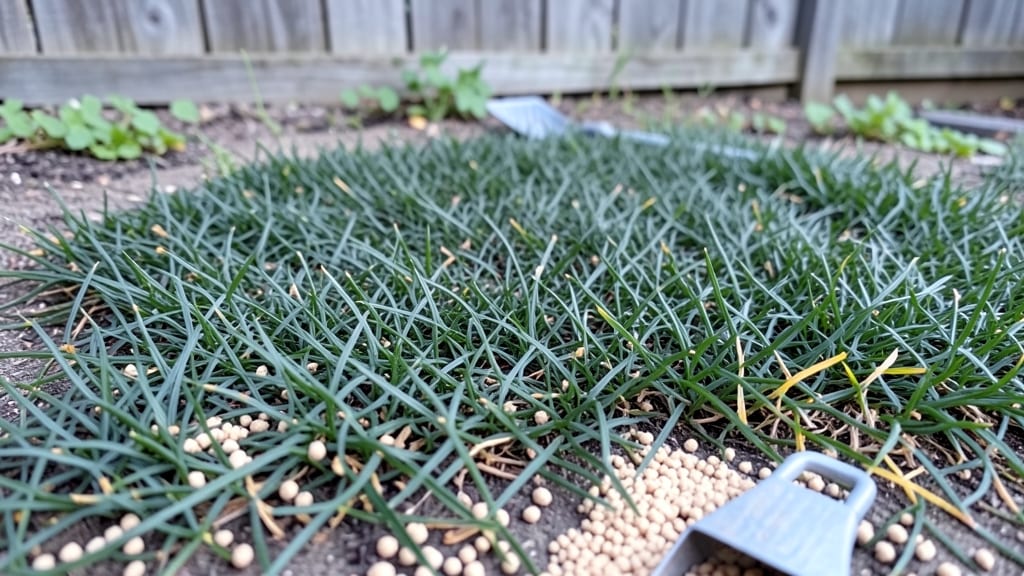
The zoysia grass fertilization schedule requires three key feedings: slow-release nitrogen in early spring to kickstart growth, a light mid-summer application to sustain vigor, and a fall top-dressing to harden roots before dormancy. Always adjust rates based on soil tests and grass condition for best results.
A well-timed fertilization plan keeps your zoysia lawn thick and resilient year-round. 🌱 Spring feeding jumpstarts growth after winter dormancy, while summer applications maintain color and density during peak heat stress. Fall fertilization is often overlooked but critical—it helps roots store nutrients for winter survival.
I’ve seen lawns double in thickness just by sticking to this schedule, especially in hot, dry climates where stress is highest.
Pro tip: Always water your lawn before and after applying fertilizer to help nutrients penetrate the soil evenly. This simple step can make a huge difference in how effectively your grass absorbs the nutrients. 💫
💡 In This Article
- How Zoysia Grass Nutrient Needs Change by Season
- Step-by-Step Zoysia Fertilizer Application Guide
How zoysia grass nutrient needs change by season
Zoysia grass undergoes dramatic metabolic shifts throughout the year, and its nutrient needs mirror these changes. In early spring, when soil temperatures rise above 60°F, zoysia breaks dormancy and enters rapid vegetative growth.
This is when nitrogen demand spikes—up to 0.5-1.0 pounds of nitrogen per 1,000 sq ft—because nitrogen fuels leaf and stem production through photosynthesis. The grass's roots, still recovering from winter, also need phosphorus to rebuild cellular structures, but nitrogen remains the priority nutrient during this phase.
By mid-summer, zoysia faces heat and drought stress, which alters nutrient absorption patterns. While nitrogen uptake slows (to prevent excessive top growth that weakens roots), potassium becomes critical for osmotic regulation—helping cells retain water and maintain turgor pressure.
A light feeding of 0.25 pounds of nitrogen plus potassium supports this adaptation. Interestingly, zoysia's deep root system (reaching 6-12 inches) allows it to access nutrients deeper than shallow-rooted grasses, but surface applications still work best during dry periods when roots are less active near the surface.
Fall fertilization shifts focus entirely to root development. As days shorten and temperatures drop below 75°F, zoysia prioritizes storing carbohydrates in roots for winter survival. Here, phosphorus and potassium ratios reverse compared to spring—with 0.25 pounds of nitrogen plus higher potassium—to strengthen cell walls and enhance cold hardiness.
This is why fall-fed zoysia lawns often outperform those only fertilized in spring, as the roots become more resilient to freeze-thaw cycles. The grass's natural dormancy mechanism kicks in when soil temps drop below 50°F, halting active growth but preserving stored nutrients for regrowth in spring.
Winter care becomes passive but strategic. Zoysia's dormant state doesn't mean nutrient needs disappear—they simply shift underground. Soil microbes remain active (down to 32°F), slowly breaking down organic matter into available nutrients.
This is why overseeding with winter ryegrass (if needed) benefits from pre-winter soil amendments: they provide a slow-release nutrient bank for spring.
What most people overlook is that avoiding winter fertilization prevents nutrient leaching from spring rains, which would otherwise wash away valuable phosphorus and potassium before the grass can use them.
Here's what's actually happening at the cellular level: Zoysia's stomata (leaf pores) close during heat stress, reducing nitrogen uptake but increasing potassium absorption to maintain cell integrity. In fall, the grass's photoperiodism triggers hormonal shifts—ethylene production increases, signaling roots to thicken.
This biological clock explains why late fall applications (September-October) are more effective than early winter ones: the grass is still metabolically active enough to utilize nutrients before dormancy sets in.
For example, in Georgia's hot summers, we've seen zoysia lawns with proper summer potassium feeding maintain 60% greener coverage during droughts compared to those only fertilized in spring. The key is matching nutrient ratios to the grass's physiological stage—spring for growth, summer for stress resistance, and fall for storage.
This seasonal alignment is why zoysia thrives in USDA zones 6-10 despite its tropical origins: its nutrient flexibility lets it adapt to temperature swings that would stress other grasses.