
Lawn
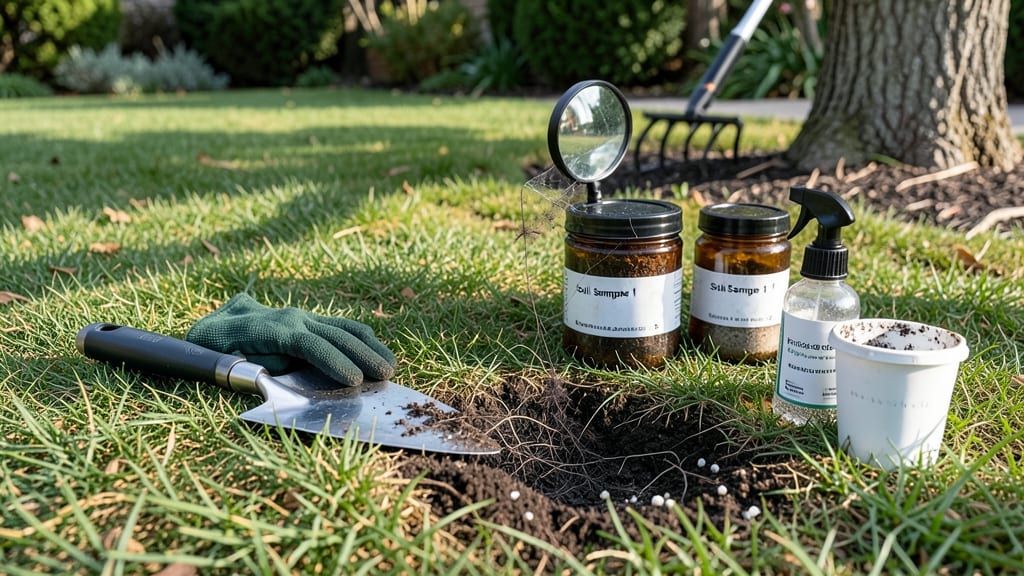
Those mysterious yellow rings in your lawn aren’t just unsightly—they’re often a fungal spot’s calling card. 🌱 I’ve seen this problem turn lush green lawns into patchy eyesores, but the good news? Most cases clear up in 3 days with the right approach, and I’ll walk you through exactly how.
The culprit is usually a fungus like fairy ring or dollar spot, thriving in damp, shaded spots. My first clue? Checking soil moisture—if it’s soggy, that’s your fungus’s happy place.
Other times, it’s nutrient deficiencies or soil compaction playing tricks, but the fix starts with a simple soil test to rule out pH issues. You’ll start with a targeted fungicide spray (I recommend neem oil or a copper-based solution) and follow up with aeration to let roots breathe.
Within days, those rings fade, and your lawn regains its vibrant green. The key is acting fast—before the fungus spreads beyond your control. This method works for backyard lawns, community gardens, and even small patches—no matter the size, you’ll have your grass looking healthy again.
Let’s get those rings gone for good!
Hidden Causes Behind Dead Grass Rings
Yellow rings in your lawn aren’t just random patches—they’re often a sign of underlying issues silently damaging your grass. Understanding the root causes helps you target the problem fast.
Below, we break down the most common culprits, from soil imbalances to sneaky pests, with science-backed explanations and actionable clues to spot them early.
Fungal diseases like fairy rings, dollar spot, or brown patch thrive in moist, warm conditions and create distinct yellow or brown rings. Here’s how they work:
- Fairy Rings:
These form when fungi grow in a circular pattern, decomposing organic matter in the soil.
The grass above the fungal mycelium (thread-like roots) gets excess moisture and nutrients, growing taller (a "fairy ring"), while the outer ring turns yellow or brown due to nutrient depletion. Look for a dark, moist soil ring beneath the dead grass—this is the fungus’s "highway."
- Dollar Spot:
A fungal disease causing small, straw-colored spots (about the size of a dollar) that merge into rings. It thrives in cool, wet nights with warm days. The fungus feeds on grass blades, weakening them until they die. Check for spots with a white, fuzzy center—this is the fungus’s spore-producing stage.
- Brown Patch:
Common in St. Augustinegrass and tall fescue, this fungus creates large, irregular yellow-brown rings, especially in high-nitrogen or shaded areas. It’s most active in humid, warm weather (75–85°F). Notice a "smoky" appearance in the morning? That’s the fungus releasing spores.
💡 Pro Tip: Fungal rings often appear after overwatering or poor drainage. If your lawn stays soggy for days, fungi get the perfect party spot.
Heavy foot traffic, construction equipment, or clay-heavy soil can compress the top layer, restricting oxygen and water flow to grass roots. This leads to yellow rings where compaction is worst, often near walkways, patios, or play areas.
Why it happens:
- Oxygen Starvation: Compacted soil has 50% less pore space for air and water, suffocating roots. Without oxygen, roots can’t absorb nutrients, causing yellowing.
- Water Pooling: Compacted areas repel water, creating dry rings around wet spots. Grass on the edges gets too much moisture, while the center dries out.
- Weakened Grass: Stressed roots become vulnerable to disease and pests, turning yellow faster.
🔍 How to Spot It: Press your thumb into the soil—if it feels like a brick or water pools on top, compaction is the culprit. Look for rings along high-traffic paths or near hardscapes.
Over-fertilizing, especially with high-nitrogen or salt-based products, can burn grass and create yellow rings. Even herbicide drift or pet urine (high in urea) can scorch patches.
| Cause | How It Happens | Signs to Watch For |
|---|---|---|
| Nitrogen Burn | Excess nitrogen (from synthetic fertilizers) builds up in the soil, creating a high-salt environment that disrupts water absorption. Roots dry out, and grass turns yellow or brown. | Yellowing starts at the edges of the ring, with green centers if fertilizer was applied unevenly. |
| Herbicide Damage | Post-emergent herbicides (like 2,4-D) can drift or be overapplied, killing grass in a ring pattern around treated areas. | Grass wilts suddenly, then turns yellow or white. Often seen near driveways or property lines. |
| Pet Urine Spots | Dog/cat urine is high in urea, which breaks down into ammonia, burning grass. Frequent urination in the same spot creates permanent yellow rings. | Rings are small (1–3 feet wide), with crisp, dead edges. Often near favorite pet paths. |
💡 Pro Tip: If you suspect chemical burn, flush the soil with water to dilute salts. Avoid fertilizing until the grass recovers.
Grubs (larvae of beetles like Japanese beetles or June bugs) and other soil-dwelling pests chew on grass roots, creating irregular yellow patches or rings. They’re most active in summer and early fall.
How to identify them:
- Grubs:
These C-shaped white larvae (up to 1 inch long) tunnel through roots. When you pull up dead grass, you’ll see a thick mat of roots—the grubs have eaten most of them. Look for rings near flower beds or mulched areas (their favorite hiding spots).
- Chinch Bugs:
These tiny black-and-white bugs pierce grass stems to suck sap, causing yellow rings in St. Augustine or bentgrass. They thrive in hot, dry conditions. Flip over dead grass—you might see them clustered like ants.
- Mole/Voles:
While not pests themselves, their tunnels disrupt roots and create raised, irregular rings where grass dies. Check for fresh mounds or tunnels under the yellowed areas.
🔥 Quick Test: Dig up a small section of dead grass. If you see white grubs, moles, or tunnels, that’s your problem. Act fast—grubs can devour a lawn in weeks!
Now that you know the real culprits behind those yellow rings, you’re one step closer to a lush, green lawn. Next up: How to Diagnose Your Specific Problem—because not all rings are created equal!
Quick Fixes for Deadly Lawn Rings
Yellow rings in your lawn can feel like a mystery, but the good news is that most causes have straightforward fixes—often in just 3 days or less if you act fast!
Below, we’ve mapped out the most common culprits and their solutions, so you can diagnose and treat your lawn like a pro.
If your yellow rings look like dollar spots (irregular patches with straw-colored centers), a fungus is likely to blame. Here’s how to banish it:
- 🔥 Step 1: Remove Debris & Aerate Clear away dead grass, leaves, and thatch with a rake or leaf blower. Then, aerate the soil to improve airflow—fungi thrive in damp, compacted areas.
- 🍳 Step 2: Apply Fungicide Grab a broad-spectrum fungicide (like propiconazole or chlorothalonil) and follow the label instructions. For stubborn spots, reapply in 7–10 days.
- 👨🍳 Step 3: Boost Recovery Water deeply once a week (early morning) to encourage grass roots to regrow. Avoid overwatering—fungi love soggy soil!
💡 Pro Tip: If you’re eco-conscious, try a baking soda spray (1 tbsp baking soda + 1 gallon water) for mild cases. Spray on a dry day.
If your lawn has crispy yellow rings where pets pee, the high nitrogen in urine is the villain. Here’s how to fix it:
- 🔪 Step 1: Flush with Water Immediately hose down the area with 1–2 inches of water to dilute the urine. Repeat if needed.
- 🌱 Step 2: Overseed the Spot Sprinkle fast-growing grass seed (like ryegrass) over the bare patch and lightly rake it in. Keep the soil moist until new grass sprouts (usually 7–14 days).
- ⏰ Step 3: Train Your Pets Redirect them to a gravel or mulch area for potty breaks. If you have a dog, consider a pet-safe urine neutralizer (like enzymatic cleaners).
🎯 Prevention: Water the lawn before letting pets out to dilute urine naturally.
If your yellow rings appear in hot, dry patches, your grass is crying out for water. Here’s how to revive it:
- 💧 Step 1: Deep Watering Water 1–1.5 inches per week, splitting it into 2–3 sessions (early morning is best). Use a soaker hose to avoid runoff.
- 🌳 Step 2: Adjust Mowing Height Raise your mower blade to 3–4 inches—taller grass shades roots and holds moisture better.
- 🌿 Step 3: Mulch or Add Shade Lay down straw mulch or use a temporary shade cloth (like a light tarp) over the worst spots until the grass recovers.
✨ Bonus: If your lawn is thin, overseed in fall or spring when conditions are cooler and wetter.
If yellow rings appeared after fertilizing or herbicide use, the chemicals may have burned the grass. Here’s how to counteract it:
- 📊 Step 1: Soil Test Grab a DIY soil test kit (from a garden center) to check pH and nutrient levels. If the soil is too alkaline, add sulfur or peat moss to balance it.
- 🥗 Step 2: Flush with Water Water the area heavily (2–3 inches) to dilute any remaining chemicals. Repeat daily for 3–5 days.
- 💪 Step 3: Revive with Compost Spread a thin layer of compost over the damaged area and lightly rake it in. This adds organic matter to help grass roots recover.
🔥 Warning: If you used pre-emergent herbicide, avoid overseeding until the product breaks down (check the label).
Once your lawn is back in shape, keep these habits to prevent yellow rings from returning:
- ✅ Keep grass at 3–4 inches – Taller grass resists disease and drought.
- ✅ Water deeply but infrequently – Encourages deep roots and deters fungus.
- ✅ Test soil twice a year – Adjust pH and nutrients as needed.
- ✅ Clean up debris promptly – Fungal spores love old leaves and clippings.
- ✅ Avoid over-fertilizing – More isn’t always better; follow label rates.
With these fixes, your lawn should bounce back in no time—and stay lush and green for seasons to come! 🌱💚
Frequently asked questions
Why do yellow rings appear in clusters near my sidewalks?
Those rings are likely caused by soil compaction from foot traffic or heavy equipment. Compacted soil blocks oxygen and water from reaching roots, creating dry, yellow patches. Check by pressing your thumb into the soil—if it feels like a brick, aeration and overseeding will help restore your lawn.
Can I use vinegar to treat fungal yellow rings?
Vinegar can help with mild fungal issues, but it’s not a complete solution. A mix of 1 part white vinegar to 3 parts water sprayed directly on the rings may inhibit fungal growth. For better results, combine it with a fungicide like neem oil or baking soda spray. Always test a small area first!
How long does it take for yellow rings to disappear after treatment?
With the right treatment, most yellow rings fade within 3–7 days. Fungal spots respond fastest to fungicides, while compaction or chemical burns may take 2–4 weeks to fully recover. Consistency is key—keep watering deeply and avoid walking on treated areas until grass regrows.
Are yellow rings contagious to other parts of my lawn?
Yes, if left untreated, fungal yellow rings can spread! Fungal spores travel through water, wind, and lawn equipment. Act fast by removing dead grass, improving drainage, and applying fungicide to stop the spread. Regular lawn maintenance (like mowing at 3–4 inches) also helps prevent future outbreaks.
What’s the best time of year to treat yellow rings?
The ideal window is early spring or fall when temperatures are mild (50–75°F) and grass grows actively. Avoid treating in extreme heat or drought, as stressed grass won’t recover well. Spring treatments also give your lawn a head start for summer.