
Lawn
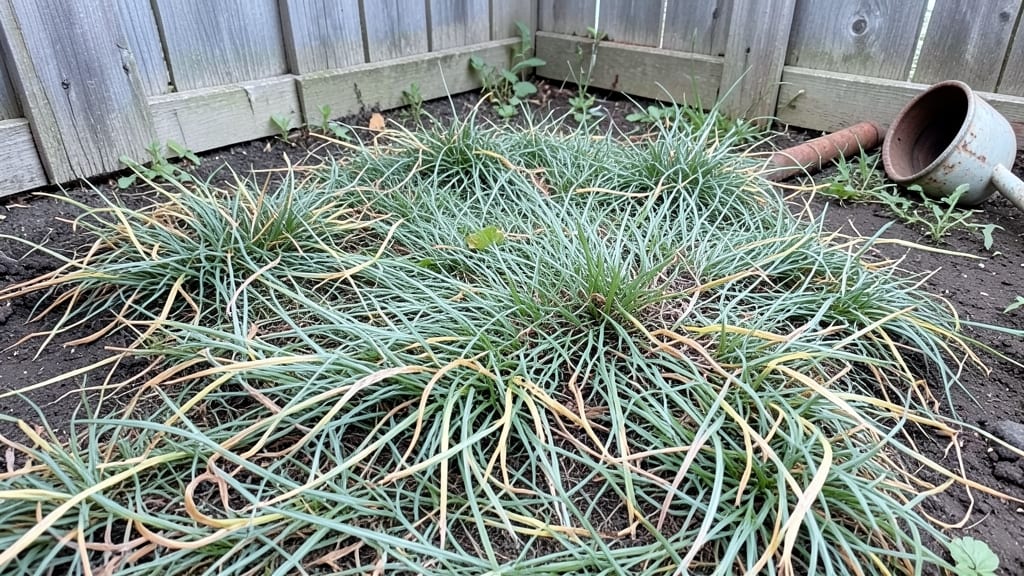
Your lawn’s yellow, spongy sod isn’t a lost cause—it’s just begging for a quick reset. 🌱 Overwatering smothers roots, suffocates soil, and turns vibrant grass into a sad, mushy mess, but with the right moves, you’ll see green revival in just a few days.
The fix isn’t about guesswork; it’s about cutting back on water, letting the soil breathe, and giving roots the space they need to bounce back.
First, stop watering until the top 2-3 inches of soil feel dry to the touch—yes, even if it looks desperate. Then, aerate with a core aerator or a simple garden fork to break up compacted soil and let oxygen and water reach those struggling roots.
Think of it like giving your lawn a deep breath after weeks of drowning. Most homeowners skip this step, but it’s the game-changer that makes the difference between a patchy yard and a lush comeback.
Within 72 hours, you’ll notice the yellowing start to fade as the roots recover and the grass stands up straighter.
The real magic happens when you adjust your watering schedule: deep, infrequent soakings (about 1 inch per week) keep moisture at the roots where it belongs, not pooling on the surface like a swamp.
This isn’t just about saving your sod—it’s about setting your lawn up for a stronger, drought-smart future.
Pro tip: If your yard has poor drainage, consider adding a thin layer of sand or compost to improve water flow.
And here’s the secret no one tells you—overwatered grass recovers faster in cooler weather, so if your lawn is struggling in summer, hold off on heavy watering until temps drop. You’ve got this!
Root Causes Of Sod Turning Yellow
When your once-vibrant sod turns a dull, yellowish hue despite what seems like plenty of water, the issue likely stems from one (or more) of these common overwatering-related problems. Understanding the science behind each cause helps you diagnose the issue accurately and take corrective action. Let’s break it down:
###
💧 Excessive Moisture Smothering Roots
Overwatering creates a waterlogged environment where grass roots struggle to breathe. Here’s why:
- Oxygen deprivation: Soil pores fill with water, displacing oxygen that roots need for respiration. Without oxygen, roots suffocate, leading to anaerobic conditions—a process that produces toxic byproducts like ethanol and acetic acid, which damage cell membranes.
- Root rot development: Fungal pathogens like Pythium and Fusarium thrive in soggy soil, attacking roots and spreading disease. These pathogens block nutrient uptake, causing the grass to turn yellow or brown.
- Weakened microbial activity: Beneficial soil microbes (bacteria and fungi) that break down organic matter and release nutrients die off in waterlogged conditions. Without these microbes, your sod lacks the essential nutrients it needs to stay green.
Actionable fix: Let the top 2–3 inches of soil dry out between waterings. Test moisture levels by inserting a screwdriver—if it resists, your lawn needs less water.
###
🌱 Nutrient Leaching From Overwatering
Water is essential, but too much of it washes away vital nutrients faster than grass can absorb them. Here’s the breakdown:
- Nitrogen loss: Nitrogen, a critical nutrient for chlorophyll production (and thus green color), dissolves easily in water. Overwatering flushes it out of the root zone before the grass can use it.
- Potassium and phosphorus depletion: These nutrients, crucial for root health and energy transfer, also leach out when soil stays saturated. Without them, grass becomes weak and yellows.
- pH imbalance: Excess water can dilute soil pH, making nutrients like iron and manganese less available to grass. This leads to chlorosis (yellowing between leaf veins).
Actionable fix: Apply a slow-release balanced fertilizer (10-10-10 or 16-4-8) after letting the soil dry. For severe cases, a soil test can pinpoint missing nutrients.
###
🍄 Fungal Infections Thriving in Wet Conditions
Overwatered sod creates the perfect breeding ground for fungal diseases. The most common culprits:
| Disease | Symptoms | Why It Happens |
|---|---|---|
| Dollar Spot | Small, straw-colored patches with yellow halos | Fungus (Clarireedia jacksonii) spreads rapidly in humid, wet conditions, feeding on dead grass tissue. |
| Brown Patch | Large, circular brown or yellow areas (often in cool, wet weather) | Caused by Rhizoctonia solani, which thrives in thick thatch and overwatered soil. |
| Pythium Blight | Sudden, greasy-looking yellow patches that spread quickly | Water-mold fungus (Pythium) multiplies in compacted, waterlogged soil, killing grass overnight. |
Actionable fix:
- Improve drainage with core aeration or sand top-dressing.
- Apply a fungicide (like propiconazole or chlorothalonil) if fungal spots appear.
- Water early in the morning to allow foliage to dry by evening.
###
🌡️ Compaction and Poor Drainage
Overwatering often masks an underlying issue: soil compaction. Here’s how it contributes to yellow sod:
- Reduced pore space: Heavy foot traffic, machinery, or clay soil compresses particles, leaving little room for air and water movement. Roots can’t expand, and water pools instead of draining.
- Root asphyxiation: Compacted soil traps excess water around roots, cutting off oxygen and nutrients. Grass struggles to uptake water efficiently, leading to yellowing.
- Thatch buildup: Overwatering accelerates thatch (dead grass layer) accumulation, which blocks water and air from reaching the soil. Thatch thicker than ½ inch worsens drainage issues.
Actionable fix:
- Perform core aeration (2–3 times/year) to relieve compaction.
- Top-dress with compost or sand to improve soil structure.
- Reduce irrigation frequency and water deeply but infrequently (1–1.5 inches per week).
Pro tip: 💡 If your sod stays yellow even after adjusting watering, test for soil compaction by pushing a screwdriver into the ground—if it’s harder than expected, aeration is your next step!
How to solve it
Yellow, overwatered sod can feel like a losing battle—but with the right approach, your lawn can bounce back faster than you think. The key is addressing the root causes (literally and figuratively) while giving your grass the care it desperately needs.
Below, we’ve mapped out practical solutions based on the most common culprits behind yellow, soggy grass. Follow these steps to restore vibrancy and prevent future mishaps.
###
💦 Overwatering: When More Water Means More Trouble
If your sod is yellow and spongy, it’s likely drowning in excess moisture. Overwatering suffocates roots, washes away nutrients, and invites fungal diseases. Here’s how to dry it out and revive it:
- 🔥 Step 1: Stop Watering Immediately
Cut off the water supply for at least 3–5 days to let the soil dry out. This may feel counterintuitive, but soggy grass needs air more than it needs hydration.
- 🌬️ Step 2: Improve Drainage
Use a garden fork or aerator to poke holes (2–3 inches deep) across the lawn. This helps excess water escape and encourages root growth. For clay-heavy soil, consider adding organic compost or sand to improve drainage.
- 💧 Step 3: Adjust Your Watering Schedule
Once the soil is dry, water deeply but infrequently—about 1–1.5 inches per week, including rainfall. Use a rain gauge or tuna can to measure. Early morning (4–8 AM) is the best time to water, as it reduces evaporation and fungal risks.
💡 Pro Tip: If your lawn has low spots where water pools, create gentle slopes by removing a thin layer of soil and redistributing it to higher areas. This simple fix can prevent future overwatering issues.
###
🌱 Nutrient Deficiency: Starving Grass Needs a Boost
Yellowing can signal a lack of essential nutrients, especially nitrogen, iron, or potassium. Overwatering leaches these nutrients away, leaving your sod weak and pale. Here’s how to feed it back to health:
- 📊 Step 1: Test Your Soil
Before adding fertilizers, grab a soil test kit (available at garden centers) to identify specific deficiencies. This saves money and prevents over-fertilizing, which can harm the lawn.
- 🌿 Step 2: Apply the Right Fertilizer
For general yellowing, use a balanced fertilizer (10-10-10 or 20-20-20). If the yellowing is patchy or has a reddish tint, it may be iron-deficient—opt for an iron supplement like iron sulfate. Follow package instructions for application rates.
- 🍄 Step 3: Avoid Synthetic Overload
Too much synthetic fertilizer can burn roots and worsen issues. For organic options, try composted manure, fish emulsion, or kelp meal. These release nutrients slowly and improve soil health long-term.
✨ Pro Tip: Pair fertilization with a light topdressing of compost (¼ inch) to improve soil structure and retain moisture without overwatering.
###
🍄 Fungal Issues: When Yellow Means Disease
If your sod has a musty smell, slimy texture, or dark spots, a fungal infection like Pythium or Fusarium could be the culprit. Fungi thrive in wet, warm conditions—perfect for overwatered lawns. Here’s how to treat and prevent it:
- 🧼 Step 1: Clean Up the Lawn
Remove any thatch or debris with a rake, as these trap moisture and fungi. Bag the debris and dispose of it away from your yard to prevent reinfection.
- 💊 Step 2: Apply a Fungicide
Use a copper-based fungicide or a product containing propiconazole. Follow the label instructions carefully, and water lightly after application to activate the treatment. For organic options, try neem oil or baking soda spray (1 tbsp baking soda + 1 gallon water).
- 🌡️ Step 3: Adjust Watering and Mowing
Water only in the early morning and avoid getting leaves wet (fungi love damp foliage). Mow at a higher setting (3–4 inches) to improve airflow and reduce humidity at ground level.
🎯 Pro Tip: If fungal issues persist, consider aerating again and overseeding with a disease-resistant grass variety like tall fescue or perennial ryegrass.
###
🛡️ Prevention Tips: Keep Your Lawn Lush Long-Term
Once your sod is back on track, these habits will help prevent yellowing and overwatering in the future:
- 🌡️ Monitor Soil Moisture
Stick your finger 2–3 inches into the soil. If it’s damp, wait before watering. Invest in a moisture meter for accuracy.
- 🔄 Mow High and Often
Keep grass at 3–4 inches tall to shade roots and retain moisture. Never remove more than ⅓ of the blade height in one mowing.
- 🌱 Overseed Thin Spots
Fill bare or thinning areas with high-quality seed in early fall or spring. This strengthens the lawn’s resilience.
- 🚫 Avoid Walking on Wet Grass
Compacted, muddy sod recovers poorly. Lay down wooden planks for foot traffic during wet periods.
- 🌿 Feed Smart
Use a slow-release fertilizer 2–3 times per year (spring, summer, fall) instead of frequent quick fixes.
💡 Final Thought: Patience is key—reviving overwatered sod takes time, but with consistent care, your lawn will reward you with a thick, green carpet that’s the envy of the neighborhood!
Frequently asked questions about reviving yellow, overwatered sod
Why does my sod turn yellow when I water it too much?
Overwatering suffocates grass roots by displacing oxygen in the soil, creating anaerobic conditions that produce toxic byproducts like ethanol. This starves roots of nutrients and invites fungal diseases, causing that classic yellow, spongy look.
How long should I wait before watering again after stopping?
Let the top 2-3 inches of soil dry completely before watering again—usually 3-5 days in warm weather. Test by pushing a screwdriver in: if it resists, your lawn still needs to dry out.
Can I fix yellow sod if it smells musty or has dark spots?
Yes, but you'll need to treat potential fungal infections first. Rake away thatch, apply a fungicide (like propiconazole), and adjust watering to mornings only. For organic solutions, neem oil or baking soda spray can help.
What's the best way to improve drainage in clay-heavy soil?
Core aerate first to create channels, then top-dress with a ¼-inch layer of sand or compost. For severe cases, consider installing French drains in problem areas. This combo prevents water pooling and gives roots room to breathe.
Will my sod recover if I've had yellow patches for months?
With consistent care, yes—but expect 4-6 weeks for full recovery. Focus on proper watering (deep but infrequent), soil testing for nutrients, and overseeding bare spots. The key is patience and addressing the root causes.