
Lawn
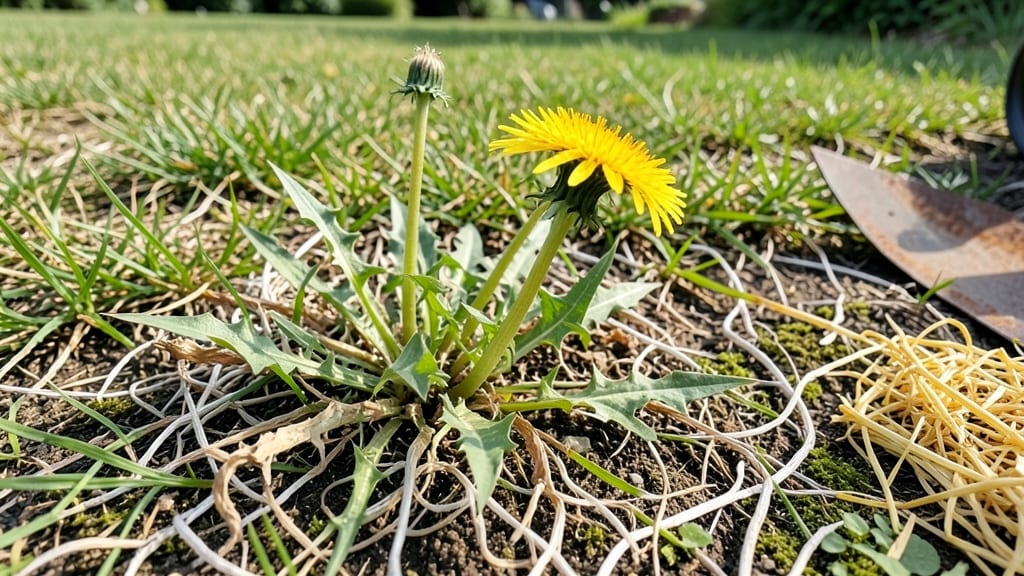
My worst lawn ever turned into a lush carpet in just 30 days—no magic, just the right steps. 🌱 The before photos showed bare patches, weeds, and soil that looked like dust. But with a few targeted fixes, we transformed it into something neighbors actually notice. The secret?
Start with soil—test it, amend it, and feed it what it needs. Skip this step, and no amount of seed or fertilizer will save you. We added compost, a slow-release fertilizer, and a thick layer of mulch to lock in moisture.
By day 30, the lawn was thick, green, and free of weeds. The key was consistent watering (deep but infrequent) and overseeding the bare spots. The transformation wasn’t instant, but it was worth every drop of effort.
This works for any lawn—whether you’re dealing with shade, clay soil, or just plain neglect. Let’s get your grass back on track!
The Hidden Causes Behind Dead Grass
If your lawn looks like a crime scene for grass—brown patches, bald spots, or a sad, patchy carpet—don’t blame your green thumb (or lack of it). The "worst lawn ever" is usually the result of a few sneaky culprits working behind the scenes.
Let’s dig into the science and uncover why your lawn might be throwing in the towel.
Healthy grass needs healthy soil, but many lawns suffer from compacted, nutrient-depleted, or chemically imbalanced dirt. Here’s why this happens:
- Compaction: Heavy foot traffic, pets, or machinery squishes soil particles together, reducing airflow and water absorption.
Roots suffocate, and grass struggles to grow. Test your soil’s compaction by pressing a shovel into the ground—if it’s harder than a stale cookie, you’ve got a problem. - Nutrient Deficiency: Grass is a hungry plant!
Without enough nitrogen (N), phosphorus (P), or potassium (K), it turns yellow, weak, or just plain gives up. Over time, soil loses these nutrients through mowing, rain, or poor fertilization. - pH Imbalance: Soil pH should be between 6.0 and 7.0 for most grasses.
If it’s too acidic (low pH) or alkaline (high pH), nutrients become locked away, and grass can’t absorb them. Lime raises pH; sulfur lowers it—but don’t guess; test first!
💡 Pro Tip: A simple soil test kit (or lab test) costs less than $20 and tells you exactly what your lawn is starving for. Fix the soil, and you fix the lawn.
Watering is an art, not a science—but most people treat it like a guess-and-check game. Here’s how you mess it up:
- Underwatering: Grass roots need 1–1.5 inches of water per week (including rain).
Less than that, and roots shrink, turning lawns into a crispy, brown desert. Check with a tuna can—bury it in the soil and see how much water it holds after watering. - Overwatering: Too much water drowns roots, washing away nutrients and inviting fungal diseases (like brown patch or dollar spot). Water deeply but infrequently—early morning is best to reduce evaporation and fungal growth. - Irregular Watering: Skipping days or watering at the wrong time (like evening) leads to uneven growth and stress.
Grass needs consistency—think of it like a plant’s daily coffee break.
✨ Quick Fix: Set a smart sprinkler timer or use drip irrigation to deliver water right to the roots without waste.
Grass is tough, but it’s not indestructible. Environmental factors can turn a lush lawn into a sad, patchy mess:
- Too Much Shade: Most lawn grasses need 4–6 hours of sunlight daily. Less than that, and they stretch thin, grow slowly, or die out. Shadows from trees or buildings?
Try shade-tolerant grasses like fine fescue or zoysia. - Extreme Heat or Cold: Drought stress from high temperatures or freeze-thaw cycles weakens grass.
In summer, grass goes dormant to survive; in winter, it can suffer cold damage if not properly prepped. - Wind Burn: Fast-moving air dries out grass blades, causing brown tips or dead patches. Windbreaks (like hedges or fences) or taller grass varieties can help.
🌡️ Action Step: Adjust your mowing height in summer (leave it taller) and aerate compacted soil to help roots access water during droughts.
You might not see them, but grubs, chinch bugs, fungi, and weeds are silently wreaking havoc on your lawn. Here’s how:
- Grubs and Insects: White grubs (larvae of beetles) munch on roots, causing brown patches that pull up like a rug. Look for birds digging or moles tunneling—signs of a grub buffet. - Fungal Infections: Wet, humid weather + poor airflow = dollar spot, brown patch, or snow mold.
These fungi attack grass blades and roots, leaving behind circular dead spots. - Weeds and Crabgrass: These aren’t just ugly—they compete with grass for water and nutrients, choking out your lawn. Crabgrass thrives in thin, weak spots, so fix those first!
🔥 Solution: Preventative care beats panic fixes. Apply grub control in early summer, fungicides in spring/fall, and pre-emergent herbicides before weeds sprout.
Mowing seems simple, but doing it wrong can stress grass, invite disease, and stunt growth. Common sins include:
- Cutting Too Short: Grass needs 2–4 inches of height (depending on type) to shade soil and grow strong roots. Scalping (mowing too low) burns grass and invites weeds. - Dull Mower Blades: A sharp blade tears grass, creating jagged edges that dry out and turn brown. Dull blades?
Your lawn is basically getting paper cuts. - Mowing Wet Grass: Leaving clippings too long or mowing when grass is damp smothers the lawn and spreads disease. Bag clippings if they’re long, and wait for dry grass to mow.
👨🍳 Lawn Care Hack: Follow the 1/3 Rule—never remove more than one-third of the grass blade in a single mowing. Keep it tall in summer, short in fall (but never below 2 inches).
Fertilizer is supposed to help, but overdoing it, using the wrong type, or applying at the wrong time can burn grass, pollute waterways, and encourage weeds.
- Burning Grass: Too much salt-based fertilizer or synthetic nitrogen can scorch blades, leaving yellow or white patches. Always water before and after applying fertilizer.
- Weed Feast: Fast-release fertilizers encourage weeds like crabgrass by giving them a growth boost. Use slow-release or organic options instead.
- Timing Matters: Fertilizing in extreme heat or drought stresses grass. Spring and fall are the sweet spots for feeding.*
🎯 Smart Move: Use a soil test to guide your fertilizer choice—don’t just grab the cheapest bag at the store. Organic options (like compost or manure) build soil health long-term.
Revive Your Lawn Now
Transforming your "worst lawn ever" into a lush, green space is totally doable—even if it feels overwhelming right now. The key is tackling the root causes with targeted fixes and smart prevention.
Below, we break down the most common lawn problems and their practical, step-by-step solutions, so you can see real progress in 30 days (or less!).
Problem: Tall, patchy, or tangled grass that looks like a jungle. Fix It:
- 🔪 Mow it down (but don’t scalp!) – Set your mower to the highest setting and trim it back gradually over 2-3 days to avoid shocking the grass. Aim for 3–4 inches tall for most grasses.
- 🌱 Rake out debris – Remove dead leaves, twigs, and thatch (a layer of dead grass) to let air and water reach the soil.
- 💡 Pro Tip: Mow in different directions each time to prevent soil compaction and encourage upright growth.
Prevent Relapse:
- Mow regularly (every 1–2 weeks in growing season).
- Keep blades sharp to avoid tearing grass.
Problem: Brown, crunchy spots where grass refuses to grow. Fix It:
- 🌱 Test your soil – Buy a DIY soil test kit (or send a sample to a local extension office) to check pH and nutrient levels. Most dead patches stem from compacted soil, poor drainage, or nutrient deficiency.
- 💦 Water deeply – If the soil is dry, water 1–1.5 inches per week (including rainfall). Use a soaker hose or sprinkler to penetrate deep.
- 🌿 Overseed or reseed –
- For small patches: Sprinkle grass seed directly over the bare spot, cover lightly with peat moss, and keep moist for 10–14 days.
- For large areas: Rent a sod cutter or hire a pro to lay new sod. Water daily for 2 weeks after installation.
- 💡 Pro Tip: Choose fast-growing seed (like tall fescue or perennial ryegrass) for quicker coverage.
Prevent Relapse:
- Aerate annually (rent a core aerator) to prevent compaction.
- Fertilize in early spring and fall to keep grass healthy.
Problem: Dandelions, clover, or crabgrass choking out your grass. Fix It:
- 🌿 Pull weeds manually – For small infestations, grab a weed puller or dig them out by hand (especially in early spring or after rain).
- 💊 Use selective herbicides –
- For broadleaf weeds (dandelions, clover): Use a 2,4-D-based herbicide (follow label instructions carefully).
- For grassy weeds (crabgrass, nutsedge): Apply a pre-emergent herbicide in early spring before weeds sprout.
- 🌱 Improve grass density – Thick, healthy grass naturally crowds out weeds. Overseed thin areas and fertilize properly.
Prevent Relapse:
- Mow high (3–4 inches) to shade out weeds.
- Apply pre-emergent in late winter/early spring (before weed seeds germinate).
Problem: Muddy, soggy spots or crispy, brown grass from poor watering. Fix It:
- 💧 Check drainage –
- For low spots: Rake soil to level slightly or add sand or compost to improve drainage.
- For clay soil: Mix in gypsum or organic matter to break up compaction.
- 🌧️ Adjust watering habits –
- Too much water? Let soil dry between waterings; fix sprinklers to avoid runoff.
- Too little water? Water deeply 2–3 times per week (early morning is best).
- 🌱 Choose drought-resistant grass – If your lawn struggles with water, consider tall fescue, buffalo grass, or zoysia for better resilience.
Prevent Relapse:
- Install a rain gauge to track watering needs.
- Mulch with compost to retain moisture.
Problem: Sunken spots, ruts, or erosion making your lawn lumpy. Fix It:
- 🏗️ Fill low spots –
- Remove debris, then add a mix of topsoil and compost (50/50).
- Tamp down gently with a plate compactor or heavy board.
- 🌿 Level severe dips – For deep holes, bring in sand or gravel first, then topsoil.
- 🌱 Overseed filled areas – New grass will blend in over time.
Prevent Relapse:
- Avoid heavy foot traffic on wet soil.
- Install drainage solutions (like French drains) for chronic soggy areas.
To keep your lawn thriving, follow this 30-day quick-start plan:
| Week | Task | Tools Needed |
|---|---|---|
| 1 | Mow high, dethatch, aerate (if compacted), test soil | Mower, rake, aerator, test kit |
| 2 | Overseed bare spots, apply starter fertilizer | Grass seed, fertilizer, watering setup |
| 3 | Pull weeds, adjust watering, spot-treat pests | Weed puller, herbicide (if needed), hose |
| 4 | Mow again (lower slightly), apply pre-emergent (if needed) | Mower, pre-emergent herbicide |
💡 Bonus Tip: Don’t forget the little things—sharp mower blades, regular raking, and seasonal fertilizing make all the difference. With consistency, your lawn will go from "worst ever" to "neighborhood envy" in no time!
Frequently asked questions
Can I fix my worst lawn in just one season?
Yes! With the right approach, you can see dramatic improvement in 30-90 days. Focus on soil health (test and amend it), overseed bare spots, and adjust watering habits. The key is consistency—don't expect miracles overnight, but you'll notice progress within weeks.
What’s the fastest way to kill weeds without harming grass?
For broadleaf weeds (like dandelions), use a selective herbicide with 2,4-D—it targets weeds while sparing grass. For grassy weeds (crabgrass), spot-treat with a vinegar and dish soap mix (works in 24 hours). Always pull weeds when soil is moist for easier removal.
Is it better to reseed or lay sod for dead patches?
Sod gives instant results (grass appears in 2 weeks), while seeding takes 4-6 weeks but is cheaper. Choose sod for large areas or high-traffic zones, and seed for small patches or budget-friendly fixes. Both need daily watering for 2 weeks to establish roots.
Why does my lawn look worse after fertilizing?
Over-fertilizing or using the wrong type can burn grass, leaving yellow/brown patches. Always water before and after applying fertilizer, and avoid high-nitrogen products in summer heat. Stick to slow-release organic fertilizers for safer results.
How often should I aerate compacted soil?
For heavily compacted lawns, aerate once a year in early fall (ideal for cool-season grasses). Rent a core aerator or hire a pro—this opens soil for roots, improving water/air circulation. Lightly rake afterward to spread plugs and overseed if needed.