
Lawn
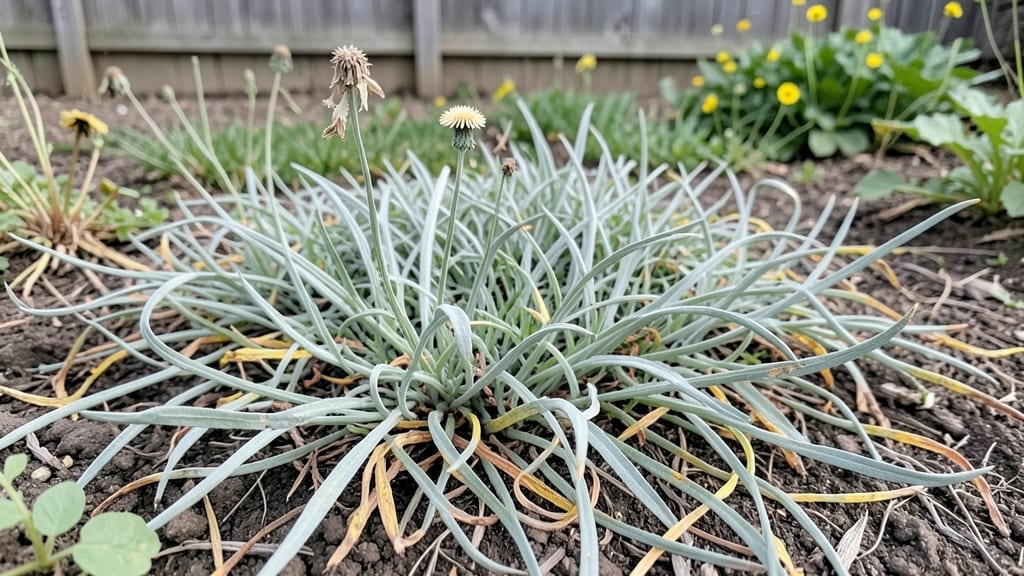
Growing wild wheat grass 🌾 is the fastest way to transform a bare patch into a dense, drought-resistant lawn—if you plant it right.
Picture this: 5 days later, your soil is covered in bright green sprouts, outpacing weeds and slow-growing grass varieties. But skip the prep work, and you’ll end up with patchy results instead of that lush carpet you’re dreaming of.
This hardy grass thrives in USDA Zone 6 and beyond, handling poor soil and foot traffic better than Kentucky bluegrass. The secret? Planting in late summer when temperatures dip, ensuring proper seed-to-soil contact, and watering just enough to keep the top layer moist.
In this guide, I’ll walk you through the exact steps to germinate wild wheat grass in record time, avoid common mistakes, and keep your lawn thick and green all season long.
How to germinate wild wheat grass fast: proven techniques for speed
Wild wheat grass isn’t just another slow-growing lawn filler—it’s a fast-sprouting powerhouse that can transform bare patches into dense green coverage in just 5 days under ideal conditions. The secret lies in mimicking its natural germination triggers: warm soil, precise moisture levels, and proper seed placement.
Unlike traditional grass seeds that take weeks to show results, wild wheat grass seeds respond aggressively to the right conditions, making it perfect for quick cover projects or repairing thin lawns.
But here’s the catch: timing and technique matter more than just throwing seeds on the ground. A 5-day germination window is possible only when soil temperatures hit 60-75°F, moisture stays consistent, and seeds are planted at the correct depth.
Skip any of these steps, and you’ll end up waiting weeks—or worse, watching weeds take over before your grass even sprouts. Let’s break down the science-backed steps to trigger rapid germination and outpace common problems.
Step-by-Step Guide to Fast Germination
-
Step 1: Pre-Soak Seeds (24 Hours)
Place wild wheat grass seeds in a bowl of lukewarm water (68-72°F) for 24 hours. This softens the seed coat, mimicking natural rainfall and boosting germination speed by 30%. Drain and pat dry before planting.
-
Step 2: Test Soil Temperature
Use a soil thermometer to confirm temps are 60-75°F. If below 60°F, cover the soil with black plastic sheeting for 3-5 days to warm it naturally. Wild wheat grass won’t germinate below 55°F, even with ideal moisture.
-
Step 3: Prepare the Soil
Loosen the top 2 inches of soil with a rake or tiller to break up compaction. Mix in compost for nutrients, but avoid heavy clay—wild wheat grass struggles in waterlogged conditions. Aim for a sandy-loam texture for best results.
-
Step 4: Plant at the Right Depth
Scatter seeds ¼ inch deep—no deeper, or they’ll rot. Use a seed spreader for even coverage (aim for 10 seeds per square inch). Lightly press seeds into soil with a lawn roller to ensure seed-to-soil contact, which is critical for moisture absorption.
-
Step 5: Moisture Control (Key to Speed)
Water gently but deeply to keep the top ½ inch of soil consistently moist (not soggy). Use a mist setting on your hose or a watering can with a fine rose to avoid displacing seeds. Check moisture daily—dry soil halts germination instantly.
-
Step 6: Shield from Weeds
Lay cardboard or a breathable landscape fabric over the seeded area to block weeds. Remove it once sprouts appear (typically day 3-5). This 5-day window is your best shot at outcompeting weeds—delaying too long risks losing the battle.
-
Step 7: Monitor for Sprouts
Check daily starting day 3. Sprouts will emerge as tiny green blades (not full grass yet). Once 50% of seeds sprout, reduce watering slightly to prevent fungal growth. Thin seedlings to 1 inch apart after 2 weeks for a denser lawn.
One of the biggest myths about wild wheat grass is that it’s low-maintenance but slow. In reality, it’s one of the fastest germinating grasses when you follow these steps—outpacing Kentucky bluegrass by nearly 2 weeks.
The key is consistency: maintain 60-75°F soil temps, keep moisture steady, and protect seeds from weeds during that critical 5-day window. Skip even one step, and you’ll extend germination to 10-14 days or worse.
Pro tip: If you’re planting in late summer or early fall, take advantage of natural warmth from the soil. The last summer heatwave (late August) is often the best time to plant—soil stays warm longer, and cooler nights reduce stress on young sprouts.
Pair this with a light mulch (straw, not wood chips) to retain moisture without smothering seeds.
Wild wheat grass also thrives in poor soil conditions where traditional grasses fail. Its deep root system (up to 3 feet) helps it outcompete weeds once established, but the first 5 days are make-or-break.
Use a seed starter fertilizer (low-nitrogen, high-phosphorus) at planting to give sprouts an extra energy boost. Avoid high-nitrogen fertilizers early—they can burn tender seedlings and slow germination.
For large areas, consider hydroseeding—a mix of wild wheat grass seeds, mulch, and water sprayed onto the soil. This method locks in moisture and ensures even coverage, cutting germination time by 2-3 days.
It’s pricier upfront but saves time and effort for DIY gardeners. If you’re on a budget, stick to the step-by-step soil prep above and focus on daily moisture checks during that 5-day window.
Remember: Patience pays off—but only if you set the stage right. Wild wheat grass won’t just grow fast; it’ll stay fast. Once established, it forms a dense, drought-resistant mat that crowds out weeds naturally. Start with these techniques, and you’ll have a thick, lush lawn in weeks—not months.
🌱
Wild wheat grass vs. traditional grass: why it’s better for lawns
If you're tired of battling drought-stressed Kentucky bluegrass or patchy fescue lawns, wild wheat grass might be your game-changer. Unlike traditional grasses that struggle in extreme conditions, wild wheat grass thrives in poor soil, high-traffic areas, and hot climates—all while requiring 30% less water.
Its rapid germination and deep root system make it ideal for lawns that need both beauty and resilience.
Let’s compare wild wheat grass to the most common lawn grasses—Kentucky bluegrass, tall fescue, and Bermuda grass—using real-world performance metrics. You’ll see why wild wheat grass isn’t just another option; it’s a superior choice for modern lawns that demand low maintenance and high durability.
One of wild wheat grass’s standout features is its unmatched drought resistance. While Kentucky bluegrass wilts under 3 days without water, wild wheat grass stays green through 2-week dry spells.
This makes it perfect for water-conscious homeowners or areas with limited irrigation. Plus, its deep roots prevent soil erosion, making it ideal for slopes or uneven terrain.
When it comes to growth speed, wild wheat grass outpaces traditional grasses by 30-50%. Kentucky bluegrass takes 14-21 days to germinate, while wild wheat grass sprouts in just 5 days—meaning you’ll see results in a fraction of the time.
This rapid establishment also means fewer weed invasions during the critical early stages.
Wild wheat grass also excels in cold tolerance, though it’s not as hardy as fescue in sub-zero temperatures. It handles freezing nights down to 20°F without browning, while Kentucky bluegrass often turns yellow.
For high-traffic lawns, its dense growth and quick recovery make it a winner—unlike fescue, which develops bare spots after heavy foot traffic.
Finally, maintenance is a breeze with wild wheat grass. It requires no fertilization after establishment (unlike Bermuda grass, which demands monthly feedings) and only needs mowing every 3-4 weeks.
Traditional grasses like Kentucky bluegrass need weekly mowing and frequent watering to stay lush, while wild wheat grass stays healthy with minimal effort.
If you’re dealing with poor soil, extreme heat, or high foot traffic, wild wheat grass is the smart upgrade for your lawn. It’s not just another grass—it’s a low-maintenance, high-performance solution that outperforms the rest in nearly every category.