
Lawn
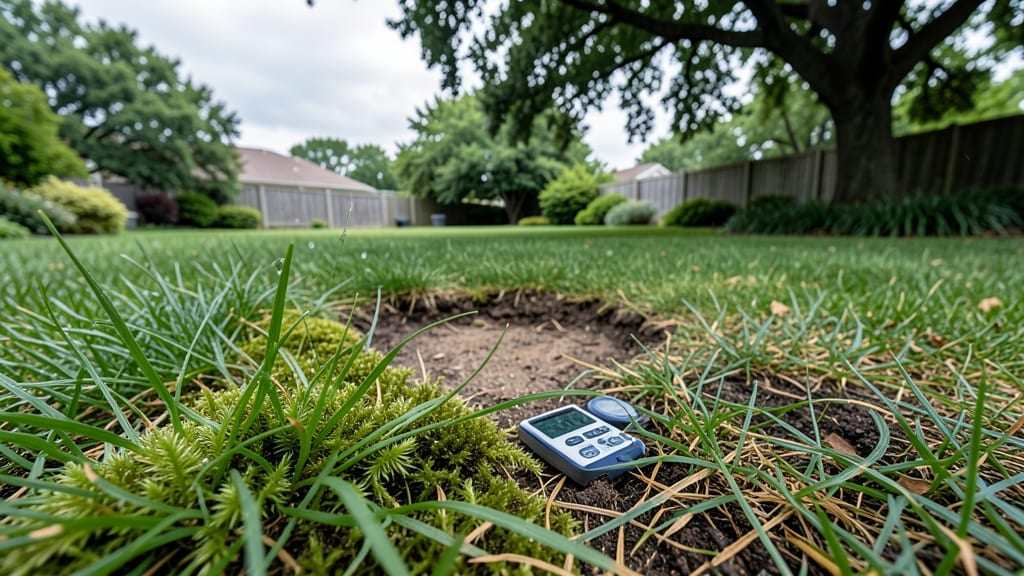
Why do I have moss in my lawn? That spongy green carpet isn’t grass—it’s moss thriving in acidic soil that’s starving your turf. 🌱 The moment I spotted those velvety patches creeping across my yard, I knew this wasn’t just a cosmetic issue—it was a sign my lawn was silently begging for help. Moss doesn't just look unsightly; it smothers grass roots, blocks sunlight, and turns your yard into a high-maintenance headache.
The real culprit? A pH below 6.0, combined with shade, poor drainage, or compacted soil that grass simply can't compete with. I tested my soil and discovered my pH was hovering at 5.2—perfect moss real estate.
The good news? Adjusting pH, improving airflow, and selecting the right grass varieties can turn your mossy mess into a lush, spotless lawn within 3-4 months of consistent care.
What you'll end up with is a lawn that stays green year-round without the moss invasion, with grass that grows thick enough to crowd out weeds naturally.
The texture becomes springy underfoot, the color deepens to that rich emerald hue, and you'll finally be able to host backyard gatherings without worrying about guests slipping on mossy patches.
Works for any climate zone, whether you're battling moss in the Pacific Northwest's damp winters or the shaded spots of a Southern yard. The key is understanding your specific conditions and attacking them systematically. Let's get your lawn back to looking like the pride of the neighborhood.
Why it happens
Moss in your lawn isn’t just a random nuisance—it’s a clear signal that something’s off with your turf’s environment. Understanding the why behind it is the first step to reclaiming a lush, moss-free lawn. Let’s break down the science and conditions that turn your grass into a moss magnet.
Moss thrives in wet conditions because it lacks the deep root system of grass. If your lawn stays soggy for long periods—whether from heavy rainfall, overwatering, or compacted soil—moss sees an opportunity. Unlike grass, moss doesn’t need sunlight to survive; it can grow in shaded, damp spots where turf struggles.
Why it happens: Poor drainage traps excess water, creating a waterlogged environment. Clay-heavy soils or dense thatch layers further block water absorption, leaving moss the dominant plant. Even a slight slope issue can cause water to pool in certain areas, turning them into moss hotspots.
Actionable fix:
- Test your soil’s drainage by digging a 6-inch hole, filling it with water, and timing how long it takes to drain. If it’s slower than 4 hours, you’ve got a drainage problem.
- Aerate compacted soil in the fall to improve water absorption.
- Consider installing a French drain or grading adjustments if water pools persistently.
Moss loves shade because it grows slowly and efficiently in low-light environments. If your lawn has bare patches or thin grass—whether from foot traffic, disease, or poor seeding—moss will fill the gaps. It outcompetes weak grass by spreading via spores, which are lightweight and travel easily in wind and water.
Why it happens: Grass needs 4–6 hours of direct sunlight daily to photosynthesize and grow. Shady areas (like under trees or north-facing slopes) create ideal moss conditions. Additionally, if your grass is stressed—due to drought, poor soil, or lack of nutrients—it can’t outcompete moss.
Actionable fix:
- Thin out dense tree canopies to let more light reach the ground.
- Overseed bare or thin areas with shade-tolerant grass varieties like fine fescue.
- Apply a pre-emergent herbicide in early spring to prevent moss spores from germinating.
Moss prefers acidic soil (pH below 6.0), while most lawn grasses thrive in slightly acidic to neutral soil (pH 6.0–7.0). If your soil is too acidic, grass struggles to absorb essential nutrients like nitrogen, phosphorus, and potassium—leaving it weak and vulnerable to moss invasion.
Why it happens: Over time, organic matter (like fallen leaves) decomposes and lowers pH. Additionally, heavy use of ammonium-based fertilizers (which acidify soil) or lack of lime applications can shift the pH balance. Moss also releases organic acids as it grows, further acidifying the soil and creating a feedback loop.
Actionable fix:
- Test your soil’s pH with a home kit or send a sample to a local extension office. Aim for a target pH of 6.0–7.0 for most grasses.
- Apply pelletized lime in early fall to raise pH gradually. Follow package instructions for application rates.
- Use a balanced fertilizer (like 16-4-8) to provide grass with the nutrients it needs to outcompete moss.
Neglected lawns are moss magnets. If you’re not mowing, fertilizing, or aerating regularly, moss moves in to take advantage of the easy real estate. Compacted soil—often from foot traffic, heavy equipment, or construction—restricts root growth and water penetration, making grass even more susceptible to moss.
Why it happens: Compacted soil reduces oxygen flow to grass roots, weakening the turf. Without proper mowing (which encourages dense growth), grass can’t form a thick mat to block moss spores. Additionally, thatch buildup (a layer of dead grass and debris) can smother grass roots and create a damp, moss-friendly microclimate.
Actionable fix:
- Mow regularly at the correct height (2–3 inches for most grasses) to encourage deep root growth.
- Aerate annually in the fall to relieve compaction and improve water/air circulation.
- Dethatch if the layer exceeds ½ inch thick, using a rake or dethatching machine.
Moss doesn’t just appear out of nowhere—it spreads via spores carried by wind, water, and even animals. If your neighborhood has moss problems, spores are likely drifting onto your lawn.
Environmental factors like high humidity, cool temperatures, and frequent rain also accelerate moss growth by creating the perfect moist, shaded conditions.
Why it happens: Moss spores are microscopic and can travel long distances. Once they land in a favorable spot (shady, damp, and acidic), they germinate quickly. In regions with mild, wet climates (like the Pacific Northwest or Southeast U.S.), moss is almost inevitable without proactive care.
Actionable fix:
- Rake up existing moss before it releases spores (early spring or fall is ideal).
- Improve air circulation by trimming overgrown bushes or trees near the lawn.
- Consider moss-resistant grass varieties like Kentucky bluegrass or tall fescue if spores are a recurring issue.
Fixing Mossy Lawns Naturally
Now that you know why moss is thriving in your lawn, let’s tackle the problem head-on with practical, long-term solutions. The good news? You don’t need harsh chemicals to reclaim your turf—just a few targeted fixes and a little consistency.
Below, we’ll map the most common causes to their fixes, plus prevention tips to keep moss from staging a comeback.
Moss loves shade and soggy soil, so if your lawn is a moss magnet in these spots, it’s time to give it a fighting chance.
✅ Fix It:
- 🔥 Thin the Moss Layer: Use a raking motion (not a digging one) to loosen and remove moss in late spring or early fall. Avoid tearing up grass roots—just skim the surface.
- 🍳 Aerate the Soil: Rent a core aerator (or spike aerator in a pinch) to create holes for water and air. Do this in early fall when grass is actively growing.
- 👨🍳 Top-Dress with Sand or Compost: Mix ½ inch of coarse sand or compost into the mossy areas to improve drainage. Avoid clay-heavy soils—opt for sandy loam blends.
- 🌞 Encourage Sunlight: Trim overhanging branches or thin dense shrubs to let at least 4–6 hours of sunlight reach the lawn daily.
💡 Pro Tip: If drainage is the real issue, consider French drains or swales (shallow trenches) to redirect water away from moss-prone zones.
Moss thrives in acidic conditions (pH below 6.0), while most grasses prefer 6.0–7.0. A simple soil test (available at garden centers) tells you exactly what to adjust.
✅ Fix It:
- 🌡️ Test Your Soil: Grab a DIY pH test kit or send a sample to a local extension office for precise results.
- ✨ Apply Lime: If pH is below 6.0, spread pelletized dolomitic lime (contains magnesium) in early fall. Follow package rates—too much lime can harm grass!
- Example: For a 100 sq. ft. lawn, use 5–10 lbs of lime, then water lightly.
- 🎯 Re-test in 3–6 Months: Lime takes time to adjust pH. Retest before reapplying.
💡 Pro Tip: Never lime in summer—it can burn grass. Fall or early spring is ideal.
Moss moves in when grass is sparse or struggling. A dense lawn crowds out moss naturally.
✅ Fix It:
- 🔪 Overseed Bare Spots: Choose moss-resistant grass seeds like tall fescue, Kentucky bluegrass, or perennial ryegrass. Sow in early fall when conditions are perfect for germination.
- 🌱 Fertilize Smartly: Use a slow-release, nitrogen-rich fertilizer (like 16-4-8) in spring and fall to strengthen grass roots.
- 💪 Mow High: Set your mower to 3–4 inches to shade out moss and encourage deep roots.
💡 Pro Tip: Avoid overseeding in mossy areas—first remove moss, then seed. Use a starter fertilizer with phosphorus to help roots establish.
Heavy foot traffic, machinery, or clay soil can create a hard, impenetrable layer that moss loves.
✅ Fix It:
- 🔨 Core Aerate Deeply: Rent a core aerator (not just spike aerator) to pull 3–4 inch plugs of soil. Do this in early fall for best results.
- 🥗 Mix in Organic Matter: After aerating, spread compost or peat moss (¼ inch) over the holes, then rake lightly.
- 🌡️ Water Deeply: Use a soaker hose to water 1–2 inches per week, encouraging roots to grow deeper.
💡 Pro Tip: Top-dress annually with compost to maintain soil health and prevent compaction.
Moss stays green because it lives in damp conditions. If your lawn stays soggy, it’s an open invitation.
✅ Fix It:
- 🔪 Dig French Drains: For low-lying areas, install 4-inch perforated pipes buried in gravel trenches to redirect water.
- 🌱 Plant Drought-Tolerant Grass: Switch to tall fescue or buffalo grass if your climate is naturally wet.
- 💦 Reduce Watering: Water deeply 2–3 times per week (early morning) instead of daily light sprinkles. Let grass go dormant in winter if needed.
💡 Pro Tip: Test drainage by digging a 6-inch hole—if water doesn’t drain in 4–6 hours, you’ve got poor drainage.
Once you’ve fixed the problem, maintenance is key to keep moss at bay.
- ✅ Mow Regularly (never below 2 inches) to shade out moss.
- ✅ Fertilize Seasonally (spring/fall) to keep grass competitive.
- ✅ Rake & Remove Moss in early fall before it spreads spores.
- ✅ Check pH Annually—lime if it drops below 6.0.
- ✅ Aerate Every 1–2 Years to prevent soil compaction.
Final Thought: Moss doesn’t stand a chance against a healthy, well-maintained lawn. With these fixes, you’ll see lush grass reclaiming those mossy patches in just a few seasons. And the best part? No chemicals needed! 🌿✨
Frequently asked questions
Is moss in my lawn always a bad sign?
Not necessarily! A little moss in shady, damp corners can actually be beneficial—it helps prevent soil erosion and retains moisture. However, when moss spreads across large areas, it's a clear sign your turf needs attention. The velvety green patches will smother grass roots and create slippery spots, making it a cosmetic and functional problem.
Can I just kill the moss with vinegar?
While vinegar can kill moss temporarily, it's not the best long-term solution. A 5% acetic acid vinegar spray will burn moss, but it also harms grass and disrupts soil microbes. Instead, focus on improving drainage, adjusting pH, and overseeding with competitive grass varieties for a permanent fix.
How long does it take to eliminate moss from a lawn?
With consistent care, you can see significant improvement in 3-4 months. The process involves removing existing moss, adjusting soil conditions, and establishing healthy grass. For severe infestations, it may take up to a year to fully restore your lawn, especially in shaded or waterlogged areas.
Will lime really help my mossy lawn?
Lime raises soil pH, creating conditions where grass thrives instead of moss. For most lawns, applying pelletized dolomitic lime in early fall (when grass is actively growing) will gradually shift the pH toward neutral (6.0-7.0). Just remember to test your soil first—over-lime can harm your grass!
Can I prevent moss from coming back after treatment?
Yes! The key is maintaining proper lawn care: regular mowing at 3-4 inches, seasonal fertilization, annual aeration, and proper watering. Also, check your soil pH annually and reapply lime if it drops below 6.0. These preventative measures create an environment where grass naturally outcompetes moss.