
Lawn
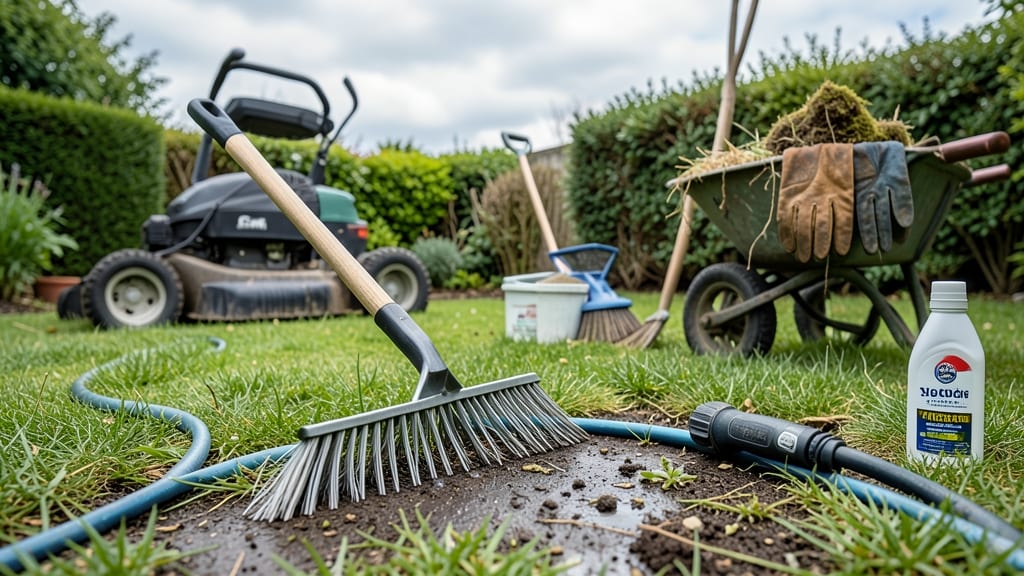
Removing moss from your lawn doesn’t have to be a slow, frustrating battle—vinegar and a rake can clear it in hours while giving your grass a fighting chance. 🌱 I’ve spent too many weekends wrestling with that spongy green carpet, only to see it creep back within weeks.
The key? A two-step approach that kills the moss fast and restores your lawn’s health for good. You’ll need white vinegar (the stronger, the better), a sturdy rake, a hose, and a sunny day. Skip the harsh chemicals—vinegar works just as well, and your soil (and pets) will thank you.
The process takes about 2-3 hours for a typical lawn, but the results—firm, green grass—are worth every minute. Here’s the game-changer: after you’ve raked out the dead moss, overseed bare spots immediately with grass seed.
Moss thrives where grass struggles, so giving your lawn a boost right away stops it from returning. Think of it like closing a door on an unwelcome guest—permanently. Common mistakes? Over-raking (which disturbs the soil) or treating moss in wet conditions (vinegar won’t work).
Do this on a dry, warm afternoon, and your lawn will bounce back faster than you’d expect. Ready to reclaim that lush, springy turf?
📚 In This Guide
- What you need
- Instructions
- Tips and common mistakes
- Wrapping up and next steps
What you need
- ● White vinegar: 1 gallon (or at least 3 cups for smaller lawns). Opt for 5% acetic acid or higher for best results.
- ● Spray bottle or garden sprayer: A 1-2 gallon capacity with a fine-mist nozzle (or a hose-end sprayer for larger areas).
- ● Heavy-duty rake: A bow rake with sturdy metal tines (½"–¾" spacing) to scrape away moss and debris.
- ● Garden hose with nozzle: For rinsing and wetting the lawn beforehand.
- ● Gloves: Waterproof, heavy-duty (moss is slippery and can irritate skin!).
- ● Knee pads or old clothes: Moss removal is a hands-and-knees job—get comfy!
- ● Baking soda: 1 cup (mix with vinegar for a boosted moss-killing solution).
- ● Dish soap: 1 tbsp (adds surfactant to help vinegar cling to moss).
- ● Lawn fertilizer: Low-nitrogen, high-phosphorus (e.g., 0-10-10) to rejuvenate grass after moss removal.
- ● Broadcast spreader: For even application of fertilizer or lime (if your soil is acidic).
- ● Plastic sheeting: To cover treated areas if rain is forecasted within 24 hours.
Step-by-Step instructions for removing moss from your lawn
Here's the quick method I use to clear moss and restore a lush, healthy lawn in just a weekend.
🌱 Step 1: Choose the Right Day for Treatment
Pick a dry, sunny day with temperatures between 60-80°F. Moss thrives in damp, shaded conditions, so treating it when it's dry and exposed gives the vinegar solution the best chance to work effectively. Avoid windy days—you don't want your solution blowing away before it can kill the moss.
Mow your lawn first to remove any existing growth. Set your mower to its highest setting to avoid damaging the grass underneath. This also helps expose the moss layer, making it easier to target with the treatment. If your lawn is very thick, consider giving it a light trim a day or two before to reduce thatch buildup.
💧 Step 2: Apply White Vinegar Directly to Mossy Areas
Fill a pump sprayer with plain, undiluted white vinegar. I like to use a 1-gallon sprayer for smaller lawns or a 2-gallon one for larger areas. Vinegar's acidity kills moss by lowering its pH, creating an environment where moss can't survive. Focus on areas where moss is thickest—these spots will need the most attention.
Spray the vinegar solution generously over the moss until it's completely saturated. You'll know it's enough when the moss looks dark and soaked through. Don't worry about overspraying—vinegar breaks down quickly and won't harm your grass if applied correctly. For stubborn patches, apply a second coat after 10 minutes to ensure full coverage.
☀️ Step 3: Let the Vinegar Work for 24-48 Hours
After application, avoid walking on the treated areas. The vinegar needs time to penetrate and kill the moss, which typically takes 24-48 hours depending on weather conditions. You'll notice the moss turning brown and crispy within this timeframe—this is a good sign the treatment is working.
Keep an eye on the forecast. If rain is expected within 24 hours, wait to apply the vinegar until after the rain. Moisture dilutes the vinegar's effectiveness, so timing is key. If you miss the window, reapply the solution once the area dries out completely.
✂️ Step 4: Rake Away the Dead Moss
Once the moss is fully brown and brittle, use a stiff lawn rake to scrape it away. Work in small sections, raking gently but firmly to avoid damaging the grass underneath. You'll see the moss pull up easily—this is your cue that the treatment was successful. For large lawns, a dethatching rake works best for removing stubborn patches.
After raking, dispose of the moss in your yard waste bin. Don't compost it—moss can reintroduce itself to your lawn if left behind. Once the area is clear, give it a light watering to help the grass recover. Avoid heavy watering for the next few days, as this can encourage moss regrowth.
🪴 Step 5: Prevent Future Moss Growth
Moss returns quickly if conditions don't change. Improve drainage by aerating compacted soil and overseeding with a shade-tolerant grass like fine fescue. I also recommend spreading a thin layer of garden lime to raise soil pH—moss loves acidic soil, and lime creates an environment where grass thrives instead.
Finally, keep your lawn healthy with regular mowing, watering, and fertilization. A thick, well-maintained lawn naturally crowds out moss. If moss reappears in shaded areas, consider adding mulch or ground cover plants to block excess moisture and improve sunlight exposure.
Tips & tricks for fast moss removal from your lawn
These quick strategies will help you tackle moss efficiently without damaging your grass or wasting time.
Weather Timing Secret: The 60-80°F temperature range in Step 1 isn't just about avoiding rain—it's about maximizing vinegar's effectiveness. Vinegar works best when temperatures are stable, so early mornings after dew has evaporated are ideal. I've found that treating moss between 9 AM and 11 AM gives the solution the full 24-48 hours it needs to work without interference from afternoon humidity.
Application Technique: When applying vinegar in Step 2, work in a grid pattern rather than random spraying. This ensures you don't miss any spots, especially in thick moss areas. For the 10-minute second coat on stubborn patches, I like to use a spray bottle with vinegar instead of the pump sprayer—it gives me better control over small areas. The key is complete saturation without oversaturating the surrounding grass.
Visual Cues for Success: In Step 3, look for these signs the vinegar is working: the moss should darken to a deep green within 2-3 hours, then start turning brown at the edges after about 12 hours. By the 24-hour mark, it should look completely crispy and brittle—like dried leaves. If you see this transformation, you're on track for complete removal.
Raking Strategy: For Step 4, I recommend using a stiff lawn rake with plastic tines rather than metal. The plastic won't damage your grass blades while still effectively lifting the dead moss. Work in small sections about 2 feet by 2 feet to avoid missing any treated areas. The moss should come up easily—if it's still attached to the soil, it's not ready to be removed yet.
Pro Tips for How Do You Remove Moss From Your Lawn
- These quick strategies will help you tackle moss efficiently without damaging your grass or wasting time.
- Weather Timing Secret: The 60-80°F temperature range in Step 1 isn't just about avoiding rain—it's about maximizing v...
- Application Technique: When applying vinegar in Step 2, work in a grid pattern rather than random spraying. This ensu...
Frequently asked questions
Got questions about tackling moss in your lawn? You’re not alone—it’s a common (and stubborn!) challenge. Here are some of the most asked questions to help you get the job done right.
What’s the best time of year to remove moss from my lawn?
The ideal window is late summer to early fall (August–October), when moss is actively growing but before winter dormancy. Avoid spring or summer heat, as these conditions stress your grass more. If moss is already out of control, tackle it anytime—but prioritize cooler, damp days for better results.
Will vinegar kill my grass too? How can I protect it?
Yes, vinegar is a non-selective herbicide—it’ll kill everything it touches, including grass. To protect your lawn:
- Apply vinegar only to mossy patches (use a spray bottle or pump for precision).
- Spot-treat on dry grass to minimize damage.
- Rinse the area with water immediately after to dilute the acid.
- Seed and overseed the treated area within 24–48 hours to restore grass.
Do I need to rake up the dead moss after treatment?
Raking removes dead moss and its spores, preventing regrowth. Aim to rake 2–3 days after treatment when moss is fully dried and brittle. Use a stiff rake or leaf blower for efficiency. Pro tip: Bag the debris and dispose of it—don’t compost it, or you’ll risk spreading moss spores back to your lawn.
What if vinegar doesn’t work? Are there safer alternatives?
If vinegar falls short (or you’re wary of its strength), try these gentler but effective methods:
- Iron-based treatments: Products like iron sulfate or chelated iron kill moss without harming grass (ideal for shady, acidic lawns).
- Sodium bicarbonate (baking soda): Mix 2 cups per gallon of water, spray on moss, and rinse after 24 hours. Less potent but eco-friendly.
- Improved drainage: Moss thrives in wet, compacted soil. Aerate your lawn and top-dress with sand/compost to crowd out moss naturally.
How do I keep moss from coming back after removal?
Moss is a symptom of poor lawn health—fix the root cause with these steps:
- Test your soil (moss loves acidic, nutrient-poor soil). Adjust pH with lime if needed.
- Improve sunlight: Trim overhanging trees/branches to let grass get 4+ hours of sun daily.
- Overseed with dense grass: Choose shade-tolerant varieties (like fine fescue) to outcompete moss.
- Reduce watering: Moss thrives in soggy conditions. Water deeply but less frequently to encourage deep grass roots.
- Apply a pre-emergent in early spring to block moss spores.
Wrapping up and next steps
Removing moss from your lawn doesn’t have to be a daunting task—with the right tools and methods, like the vinegar and rake approach, you can restore a lush, healthy green space in no time! 🌱 Whether you’re tackling a small patch or a larger area, consistency and proper aftercare are key to preventing moss from returning.
Now that you’re equipped with the know-how, roll up those sleeves and get to work!
Start by treating one section at a time, and soon, your lawn will be the envy of the neighborhood. Pro tip: Schedule a quick maintenance check every few months to keep moss at bay for good!