
Lawn
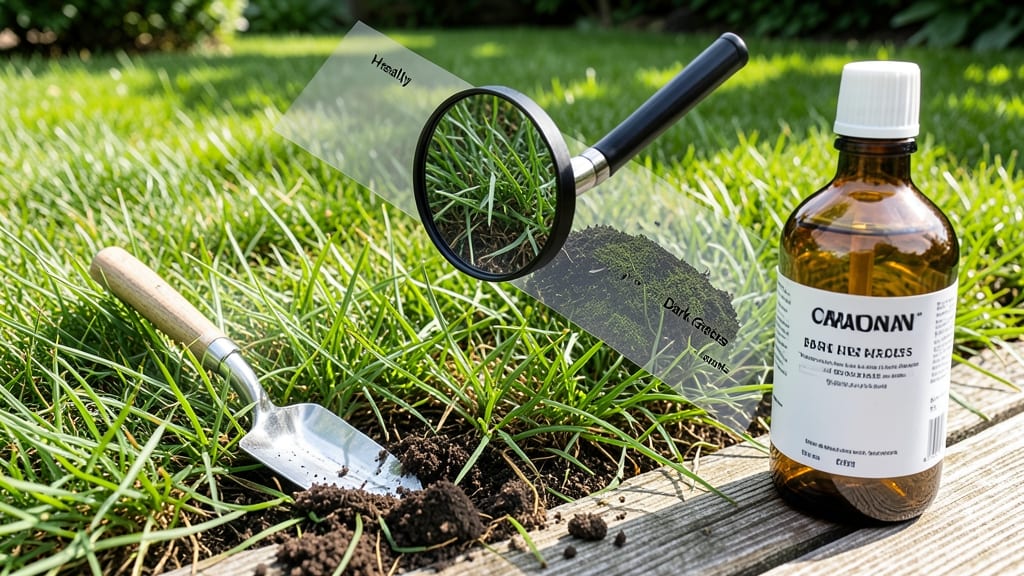
Those mysterious dark green spots on your lawn—why do I have these dark green spots on my lawn?—aren’t just unsightly—they’re often a cry for help from your grass. 🌱 I’ve seen dollar spot fungus, over-fertilization, and even soil compaction create these patches, and the good news is most fixes are simpler than you’d think.
The first step is figuring out what’s causing them, because the wrong treatment can make things worse.
Start by checking the texture—is it thick and velvety or thin and waterlogged? Dollar spot thrives in humid weather and leaves powdery spots, while brown patch (another fungal culprit) creates larger, irregular patches that die in the center.
Over-fertilization, on the other hand, leaves grass looking almost too lush, with a spongy feel underfoot.
Here’s the game-changer: aeration for compaction, fungicide for blight, and watering adjustments for over-fertilization. Most lawns bounce back in 2-4 weeks with the right fix—no need for a full re-sod. The key is acting fast before the problem spreads.
Prevention is easier than you’d expect: mow high, water deeply but infrequently, and avoid late-night watering (that’s when fungi party). Once you spot the pattern, you’ll catch it early next time—and your lawn will thank you.
Understanding the hidden culprits
Dark green spots on your lawn aren’t just an eyesore—they’re often a sign that something’s thriving beneath the surface. Whether it’s a fungal party, a nutrient imbalance, or an uninvited plant guest, these spots tell a story.
Let’s break down the most common causes and why they turn your grass into a patchwork of mystery.
🍄 Fungal Blight Overgrowth
Fungi love damp, shady conditions, and if your lawn is their perfect buffet, you’ll see dark green (or even black) spots spreading like wildfire. Dollar spot and brown patch disease are two common fungal villains, but they often appear as thick, velvety green patches before turning brown.
Here’s why they take over:
- Excess moisture: Overwatering, poor drainage, or morning dew lingering too long creates the ideal fungal breeding ground. Fungi spread via spores, and wet grass is like a five-star hotel for them.
- Thin or stressed grass: Weak grass (from drought, poor soil, or heavy foot traffic) can’t compete, giving fungi room to colonize. Think of it like weeds taking over a cracked sidewalk.
- Nitrogen-heavy fertilizers: Too much nitrogen without proper balance can weaken grass roots, making it vulnerable to fungal attacks. It’s like feeding a plant junk food—it grows fast but gets sick.
💡 Pro Tip: If you see a dark, almost fuzzy spot that feels damp, it’s likely fungal. Scrape a small section—if it smells musty or leaves a dark, thread-like residue, fungi are the culprit.
🌱 Creeping Weeds or Moss Invasion
Not all dark green spots are fungal. Sometimes, they’re just unwanted houseguests like creeping Charlie (ground ivy) or moss. These plants thrive where grass struggles:
- Shady or compacted soil: Moss loves low light and acidic, compacted soil. It doesn’t need roots to spread—it just smothers grass like a green carpet.
- High moisture, low sunlight: Weeds like creeping Charlie spread via runners and outcompete grass in damp, shady areas. They’re tough to kill because they regrow from tiny fragments.
- Poor soil quality: If your lawn has clay or sandy soil with no organic matter, grass struggles, and weeds/moss move in like squatters.
🔍 Test It: Pull up a small patch—if you’re left with a dense mat of fine, leafy growth (not grass blades), it’s likely a weed. Moss will pull up in soft, spongy clumps.
🌡️ Nutrient Imbalance or Over-Fertilization
Too much of a good thing can turn your lawn into a science experiment gone wrong. Dark green spots often appear when:
- Nitrogen overload: Excess nitrogen promotes rapid top growth but starves roots of phosphorus and potassium. The grass turns dark green but weak, like a plant on espresso—jittery and unstable.
- Lack of micronutrients: Iron, manganese, or zinc deficiencies can cause dark, almost purplish-green patches. These spots often appear in alkaline soils where nutrients bind and become unavailable.
- Uneven soil pH: Soil pH affects nutrient uptake. If your lawn has pockets of high acidity (low pH) or alkalinity (high pH), grass in those areas may turn dark green as it struggles to absorb what it needs.
📊 Soil Test First: Grab a soil sample from the spot and test it. If the pH is off (below 6.0 or above 7.5) or nutrients are skewed, that’s your culprit. A simple home test kit can confirm.
🐛 Grub or Insect Damage
Underground pests like grubs (larvae of beetles) or chinch bugs can create dark green patches as they feed on roots. Here’s how:
- Root destruction: Grubs munch on grass roots, causing the grass above to turn dark green (from stress) before dying and pulling up like a rug.
- Chinch bug stings: These tiny bugs inject toxins into grass stems, creating dark, wilted patches that spread in a V-shape. They thrive in dry, sunny conditions.
- Thatch buildup: Heavy insect activity can lead to thick thatch layers, trapping moisture and promoting fungal growth—or inviting more pests to move in.
🔪 Dig a Test Hole: Use a trowel to dig a 2-inch-deep square in the spot. If you find white, C-shaped grubs or tiny black bugs, you’ve found your pests. Shake them onto a dark surface to confirm.
🌧️ Environmental Stress Factors
Sometimes, dark green spots are a cry for help from your lawn. Environmental stressors like:
- Compacted soil: Heavy foot traffic, pets, or machinery can compress soil, reducing oxygen and water flow. Grass in compacted areas turns dark and sparse, like a plant suffocating.
- Drought or flood damage: Too little or too much water can shock grass. Dark green patches may appear where roots are drowned or dehydrated.
- Herbicide drift or chemical burns: If a neighbor sprayed weed killer or you over-applied fertilizer, dark green (or even blackened) spots can form as grass cells die.
✨ Check the Pattern: If the spots follow a line (like a sidewalk or driveway edge), compaction is likely. If they’re random but surrounded by dead grass, chemical burn is a possibility.
Quick Fixes for Dark Green Spots
Dark green spots on your lawn can feel like a mystery, but the good news is that most causes have straightforward solutions. Below, we’ll match the likely culprit to the right treatment—plus tips to keep your lawn lush and spot-free for good.
Fungal infections like dollar spot or brown patch thrive in damp, warm conditions. Here’s how to kick them to the curb:
🔥 Step 1: Improve Airflow
Fungi love stagnant moisture. Raise your mower blade to 3–4 inches to encourage deeper roots and better airflow. Avoid compacting soil—walk on paths instead of the lawn.
🍳 Step 2: Apply Fungicide (If Needed)
For stubborn spots, use a broad-spectrum fungicide (like propiconazole or chlorothalonil). Follow label instructions—overuse can harm beneficial microbes. Best time to apply: Early morning or late evening when humidity is high.
👨🍳 Step 3: Adjust Watering Habits
- Water deeply but infrequently (1–1.5 inches per week).
- Avoid overhead sprinklers—they keep leaves wet too long. Use soaker hoses or drip irrigation instead.
- Water before 10 AM to let grass dry by evening.
⏰ Step 4: Overseed Bare Patches
Thin grass invites fungi. Sprinkle grass seed over affected areas in early fall or spring. Choose a shade-tolerant variety (like fine fescue) if your lawn gets little sun.
If your soil stays soggy, roots suffocate and algae or moss take over, creating those dark green patches.
🔪 Step 1: Test Your Soil
Use a soil test kit (available at garden centers) to check drainage. If water pools after 6+ hours, you’ve got poor drainage.
🌡️ Step 2: Amend the Soil
- Add compost (1–2 inches) to improve texture.
- Mix in sand or perlite (for clay-heavy soil) to create air pockets.
- Consider a French drain if water pools in low spots.
🎯 Step 3: Adjust Watering
- Check soil moisture before watering—stick your finger 2 inches deep. Water only if dry.
- Install a rain gauge to track weekly rainfall (you may need less water than you think!).
Shady lawns grow slowly and develop dark, mossy patches. Boost sunlight exposure with these tweaks:
✨ Step 1: Prune Overhanging Branches
Trim trees or shrubs to let at least 4–6 hours of sunlight reach your lawn daily.
💡 Step 2: Choose Shade-Tolerant Grass
Replace thin grass with fine fescue, creeping red fescue, or zoysia grass—they thrive in low light.
🌿 Step 3: Aerate and Fertilize
- Aerate in fall to help roots access nutrients.
- Use a slow-release, low-nitrogen fertilizer (like 10-10-10) to avoid burning shade grass.
Squirrels, voles, or grubs can create dark, irregular patches by uprooting grass.
🔍 Step 1: Inspect for Signs
- Tunnels or holes? → Voles or grubs.
- Clipped grass blades? → Chinch bugs or armyworms.
- Chewed patches? → Rabbits or deer.
🚫 Step 2: Apply Targeted Treatments
- Grubs: Use beneficial nematodes or milky spore powder (organic) or imidacloprid (chemical).
- Chinch bugs: Treat with bifenthrin or neem oil (for early infestations).
- Rodents: Set humane traps or use castor oil-based repellents.
🏡 Step 3: Prevent Future Visits
- Remove leaf litter (hides pests).
- Keep grass tall (3–4 inches) to deter burrowing animals.
- Install a fence if deer or rabbits are the culprits.
- Mow high (3–4 inches) to shade soil and retain moisture.
- Rake up thatch (layer of dead grass) to prevent fungal buildup.
- Test soil pH (ideal: 6.0–7.0)—adjust with lime (to raise pH) or sulfur (to lower it).
- Avoid heavy foot traffic on wet grass to prevent compaction.
Remember: Patience is key—some fixes (like overseeding or soil amendments) take time to show results. But with the right approach, your lawn will bounce back greener than ever! 🌱💚
Frequently asked questions
Are dark green spots always a sign of fungus?
Not necessarily! While fungal diseases like dollar spot often create dark green patches, they could also signal over-fertilization, moss growth, or even creeping weeds like ground ivy. The key difference? Fungal spots usually feel damp and fuzzy, while nutrient-related spots often appear spongy underfoot. Always check the texture first.
How quickly should I treat dark green spots?
Act within 48 hours if you suspect fungus—these spread rapidly in warm, humid conditions. For nutrient issues or weeds, you have 2-4 weeks before they become permanent. The sooner you identify the cause, the faster your lawn can recover. Early intervention is always best!
Can I use household vinegar to treat dark green spots?
Vinegar can help with moss or some weeds, but it’s not recommended for fungal spots or grass recovery. A 5% solution may kill moss, but it can also burn grass and disrupt soil pH. For fungal issues, stick to targeted fungicides or organic solutions like baking soda (1 cup per gallon of water).
Why do my dark green spots keep coming back?
Recurring spots usually mean you’re treating symptoms, not the root cause. If fungi keep returning, check your watering habits (overhead sprinklers feed spores) or soil compaction (reduces airflow). For weeds, they often regrow from tiny fragments—dig deeper to remove all roots. Always address the environment, not just the visible problem.
Is it safe to walk on lawns with dark green spots?
Yes, but be cautious! If the spots are fungal, avoid walking when grass is wet to prevent spreading spores. For nutrient-related spots or weeds, walking is fine, though heavy foot traffic can compact soil and make problems worse. Always choose paths when possible to protect your lawn’s health.